Key facts at a glance
For the town of Zell am See you do not need a car: the station, lake and old town are close together, and the mobility card makes buses and the Pinzgau local railway free from the first overnight stay. Kaprun is more strung out and awkward without a bus. Clearly in favour of a car: the Grossglockner High Alpine Road, point-to-point walks, an early ski start, and arriving with children and a lot of luggage.
In short: no, you do not need a car for a holiday in Zell am See, though you do for some excursions. The town itself is so compact that the station, lake promenade, old town and the base station of the Schmittenhöhe lift are all reachable on foot. The axis from Zell am See through Schuettdorf and Kaprun to the Kitzsteinhorn is decently served by bus and rail, and the mobility card you receive from the first overnight stay makes those journeys free. But as soon as you want to drive the Grossglockner High Alpine Road, plan a point-to-point walk, be first at the lift in the morning, or arrive with toddlers and a lot of luggage, the car plays to its strengths.
The mobility card: what it is and what it is not
The mobility card, called simply a guest card on some hotel sites, is the strongest argument against a hire car. You generally receive it from your host from the first overnight stay, it is valid for your whole stay, and it costs nothing extra because it is covered by the local tourist tax.
It usually includes the Postbus lines in the valid area, the Pinzgau local railway between Zell am See and Krimml, and OeBB trains within the province of Salzburg. That covers practically every everyday route: into the centre, to Schuettdorf, to Kaprun, to the lift base stations and out into the Salzach valley.
In fairness, this also belongs in the picture:
- The valid area ends at the provincial border. Since the Guest Mobility Ticket was introduced the card covers the whole province of Salzburg, Salzburg city included; journeys to Kitzbuehel or beyond the Gerlos pass are not — see Transfers and Taxis from Zell am See.
- Special and heritage trains on the Pinzgau local railway, such as the steam services, are excluded and cost extra.
- Some evening and night connections, and purely touristic shuttles, do not fall under it.
- The offering is seasonal. The summer scope differs from the winter timetable, and in the shoulder seasons considerably less is running.
Because hosts issue different card models, have it confirmed before booking which card you get and what it covers. If you also want mountain lifts and admissions, look separately at the summer card, a different card with a different purpose that is often confused with it.
How well the buses and trains really run
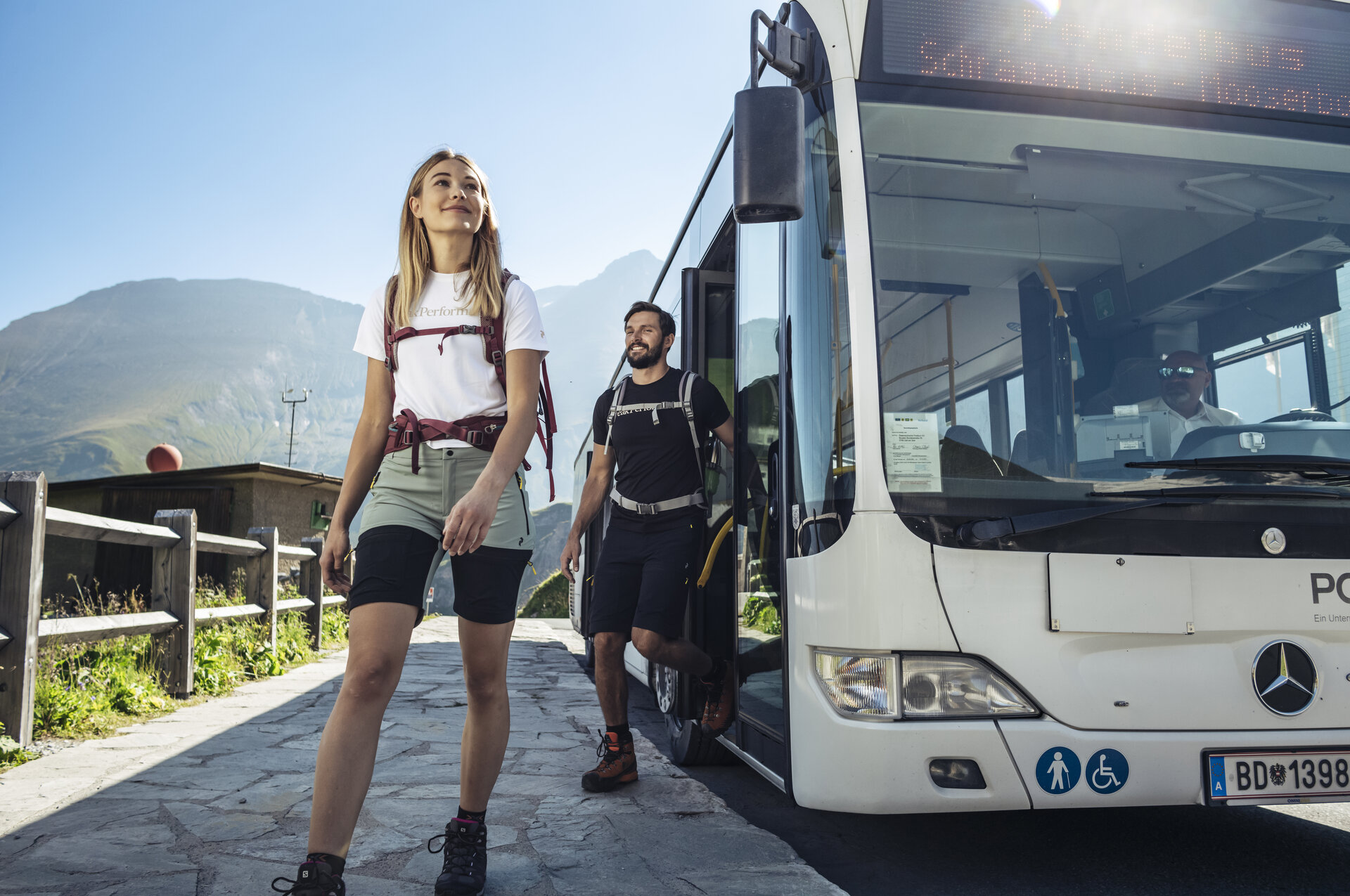
The main axis Zell am See to Schuettdorf to Kaprun is the best-served connection in the region. During the day buses run frequently, taking around 20 to 25 minutes between the station and the centre of Kaprun. From Kaprun onwards to the glacier lift base station there is a dedicated link, and in winter a dense ski bus network connects the base stations of both mountains.
The Pinzgau local railway is the second lifeline, running west from Zell am See through the Salzach valley via Piesendorf, Niedernsill and Uttendorf to Mittersill and on to Krimml. For walkers that is worth its weight in gold, because it lets you separate the start and end of a route.
Where it gets thin, you should know:
- Early morning. If you want to be up the mountain at opening time, the first bus usually gets you there too late.
- Late evening. Returning from Kaprun after dinner, the last connection is surprisingly early depending on the season.
- Thumersbach. The eastern shore is a detour half way round the lake by bus. In summer the boat is often quicker and more pleasant; in winter it does not run.
- Side valleys. Accommodation on a hillside is often several steep minutes above the nearest stop. Ask your host about the distance to the bus stop, not just to the centre.
On foot: Zell am See yes, Kaprun only partly
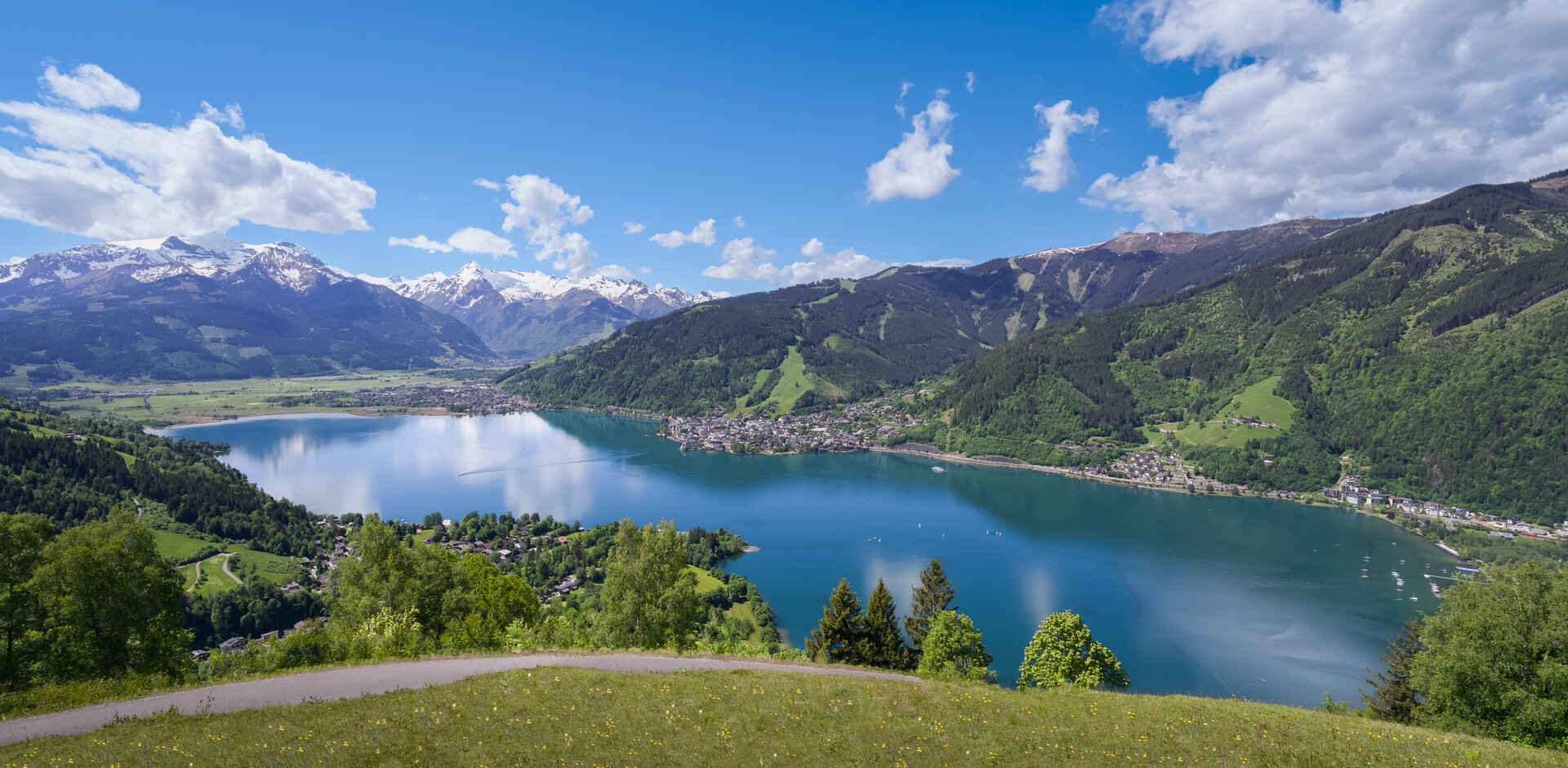
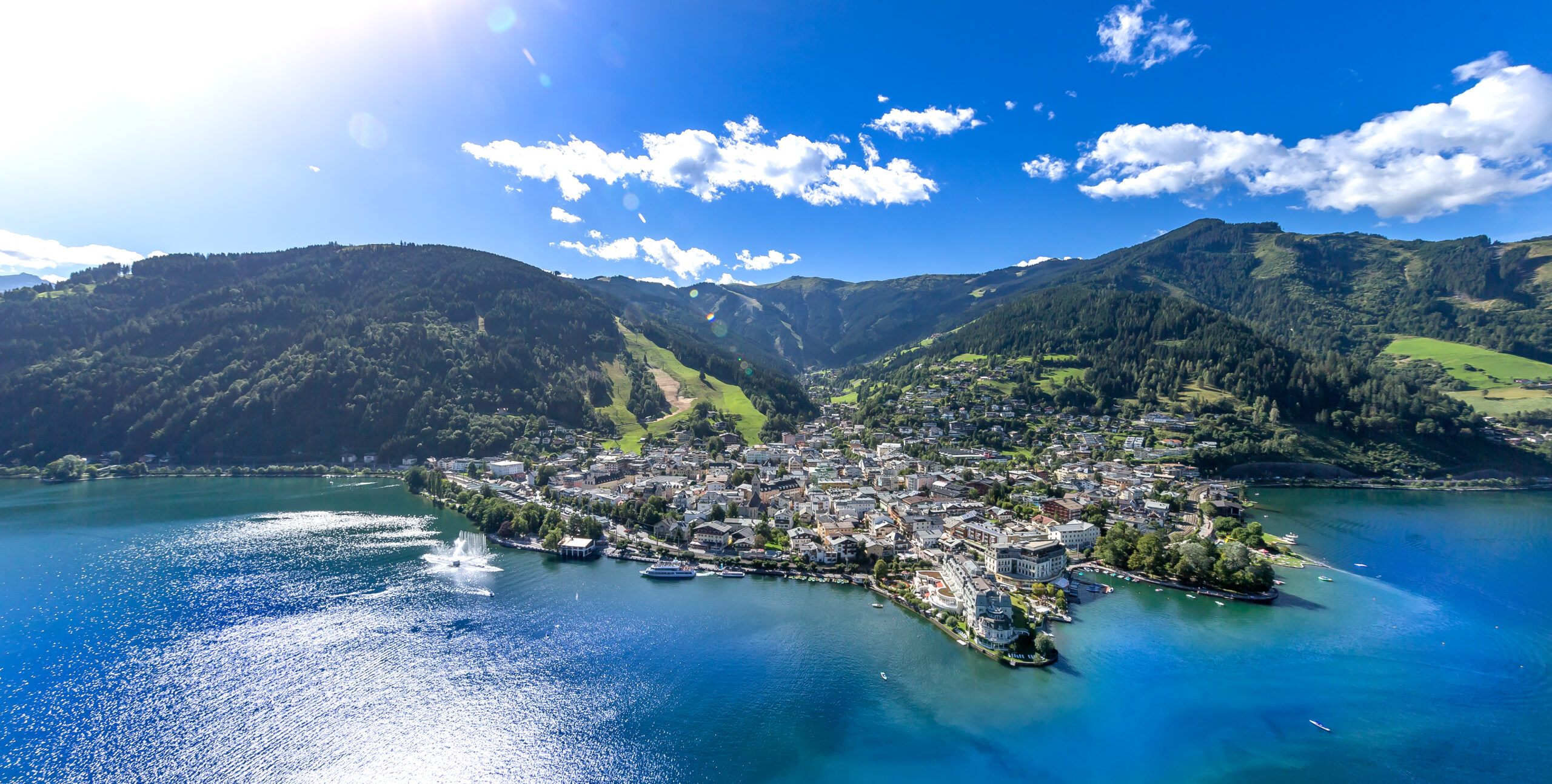
Here lies the difference hardly any website spells out. Zell am See is a classic compact lakeside town: a few minutes from the station to the promenade, around five to the old town, and about 25 to 30 minutes gently uphill to the Schmittenhöhe base station, doable but no pleasure in ski boots. Schuettdorf is around 45 minutes along the shore, a lovely walk but not an everyday route.
Kaprun is built differently. The village stretches along the main road and the tourist destinations lie outside the centre: around 30 to 40 minutes on foot to the glacier lift base station, and about the same to the Sigmund Thun Gorge. Staying in Kaprun without a car means depending on the bus. That works, but requires regular timetable checks and a hotel that is not on the far edge of the village.
Five cases where a car is clearly better
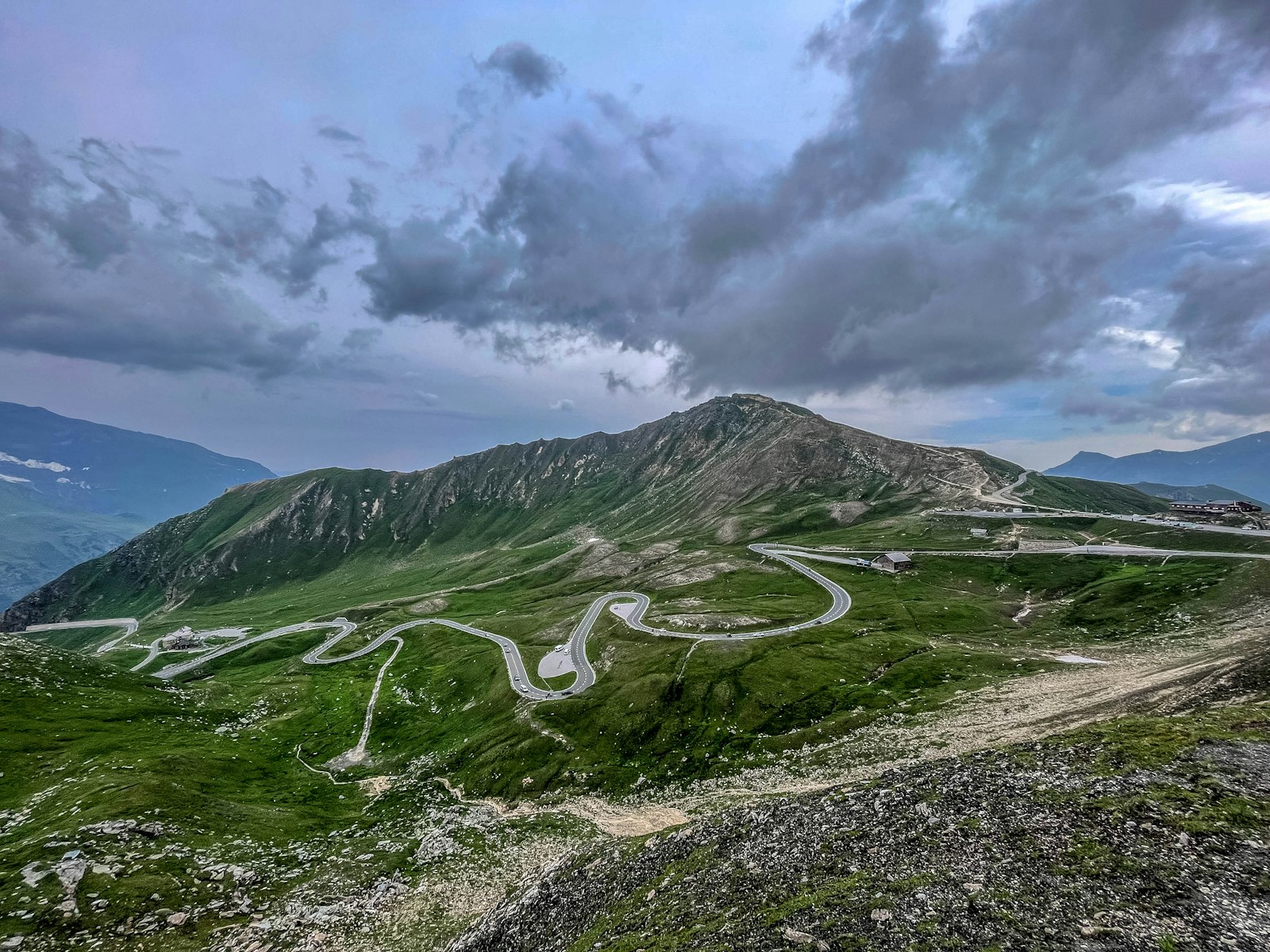
- Grossglockner High Alpine Road. The panoramic drive is a road for cars, full stop. There are seasonal excursion buses but no scheduled service with the freedom to stop at every viewpoint. It is a toll road open only in the snow-free period, usually early May to the end of October.
- Krimml Falls and a day trip to Salzburg. Both are possible by public transport, but each becomes a full day with long travel times. By car there is time left for a second item.
- Point-to-point walks. Some of the finest routes when hiking in Zell am See-Kaprun do not start and end in the same place. Without a car you need a suitable connection at the end point, and late in the afternoon that is not available everywhere.
- Arriving with a lot of luggage or toddlers. A ski bag, pushchair, car seat and two changes are a genuine imposition. For families the car is often simply less stressful.
- A ski day with an early start. To catch the first gondola on the Kitzsteinhorn, your own car often gets you up half an hour earlier. On fine January days that decides between empty and full pistes.
The counter-calculation: what the car costs on site
Before deciding on a hire car, factor in the standing costs. The centre has short-stay zones with a limited maximum parking time, which is no use for a week. That leaves underground and managed car parks with daily rates, or the hotel parking space for which many properties charge a supplement per night, in practice roughly ten to twenty euros and more in peak season. On top come the car parks at the lift base stations, full by late morning on peak days.
The bottom line: a hire car, fuel, the vignette and parking quickly cost more for a week than a taxi transfer on arrival plus the mobility card you get free anyway. Planning only one big excursion? Hire for 24 or 48 hours instead.
A decision matrix by traveller type
- Couple, city-break style, central accommodation: no car. You walk, take the bus up the mountains and avoid the parking problem. For a single Grossglockner day, hire for 24 hours.
- Family with children: a car is recommended, but still choose accommodation near the centre. You benefit on arrival and departure and for bad-weather replanning, but do not need it daily.
- Ski holidaymakers: it depends on the accommodation. At a ski bus stop or within walking distance of the lift, no car is needed. In a side valley, or changing ski area daily, yes.
- Walkers: perfectly manageable without a car if you plan routes around the local railway. Deciding freely by the weather and reaching remote starting points is clearly easier with one.
- Round-trippers heading to Tyrol or Carinthia: the car is there anyway, so leave it parked and use the mobility card rather than moving it every day.
Arriving without a car: how it works
Zell am See lies on the Salzburg-Tyrol line and the station stands in the middle of the town, a few steps from the lake. From Salzburg the journey takes around one and a half to two hours. The nearest larger airport is Salzburg, followed by Munich and Innsbruck. Details are in the article by train to Zell am See.
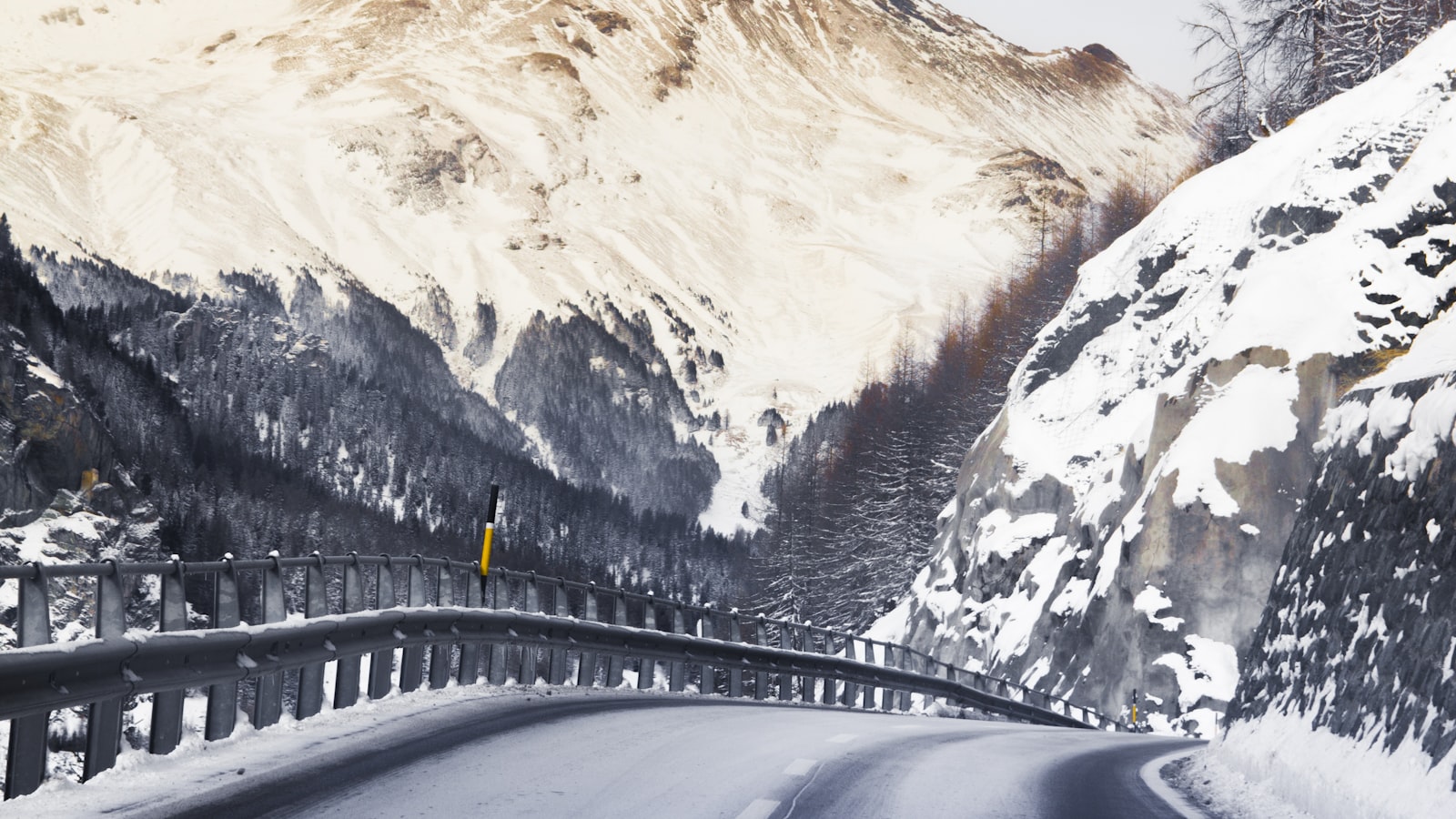
What is particularly practical is the location of the station: the last kilometre is usually covered on foot or with a short bus ride, unlike many Alpine resorts where the station sits in the neighbouring valley. By car the route runs on the A10 Tauern motorway and onwards on the B311, in winter with a winter equipment requirement and on arrival Saturdays with noticeable congestion.
Staying centrally you miss nothing essential without a car: the Kitzsteinhorn with the Gipfelwelt 3000 at 3,029 metres, the Schmittenhöhe at just under 2,000 metres and the Kaprun high mountain reservoirs at around 2,040 metres are all reachable by public transport and the associated lifts. Here the car is a tool for individual days, not a precondition for the holiday.
Frequently Asked Questions
Can you manage in Zell am See without a car?
Yes. The centre is compact: from the station it is a few minutes on foot to the lake promenade and around five minutes to the old town. Buses and the Pinzgau local railway cover the axis to Schuettdorf, Kaprun and the Salzach valley well. Individual excursions such as the Grossglockner High Alpine Road are considerably more awkward without a car.
What is the mobility card and what does it cost?
You generally receive it from your host from the first overnight stay. It is covered by the local tourist tax and costs nothing extra. It usually covers Postbus lines in the valid area, the Pinzgau local railway and OeBB trains within the region. Scope differs by season, so have your host confirm which card you receive.
How long does the bus take to Kaprun?
Around 20 to 25 minutes between Zell am See station and the centre of Kaprun. During the day the service is frequent; late in the evening it thins out. Check the last return before travelling to Kaprun in the evening.
Can you explore Kaprun on foot?
Only to a limited extent. Kaprun stretches along the main road and the key destinations lie outside the centre: around 30 to 40 minutes on foot to the glacier lift base station and to the Sigmund Thun Gorge. Without a car, use the bus.
Do you need a car for the Grossglockner High Alpine Road?
In practice yes. It is a toll panoramic road usually open from around early May to the end of October, with exact dates depending on snow. There are seasonal excursion buses but no scheduled service letting you stop flexibly at the viewpoints.
Is it worth hiring a car for individual days only?
Often yes. Parking charges, short-stay zones and hotel garage supplements of roughly ten to twenty euros per night eat up the advantage of a weekly hire. For one or two big excursions a 24 or 48 hour hire is usually cheaper.