Key facts at a glance
Summer in Zell am See & Kaprun means swimming in the Zeller See, cableways up the Kitzsteinhorn and Schmittenhöhe, hikes and family-friendly excursions – often included in the summer card. A compact region with short distances between lake and high mountains.
| Experience | Where | Altitude | Season | Good for |
|---|---|---|---|---|
| Swimming in Lake Zell | Thumersbach, Seespitz and Erlberg lidos | 750 m | Roughly May to mid-September, 23-24 °C in high summer | Families and hot days |
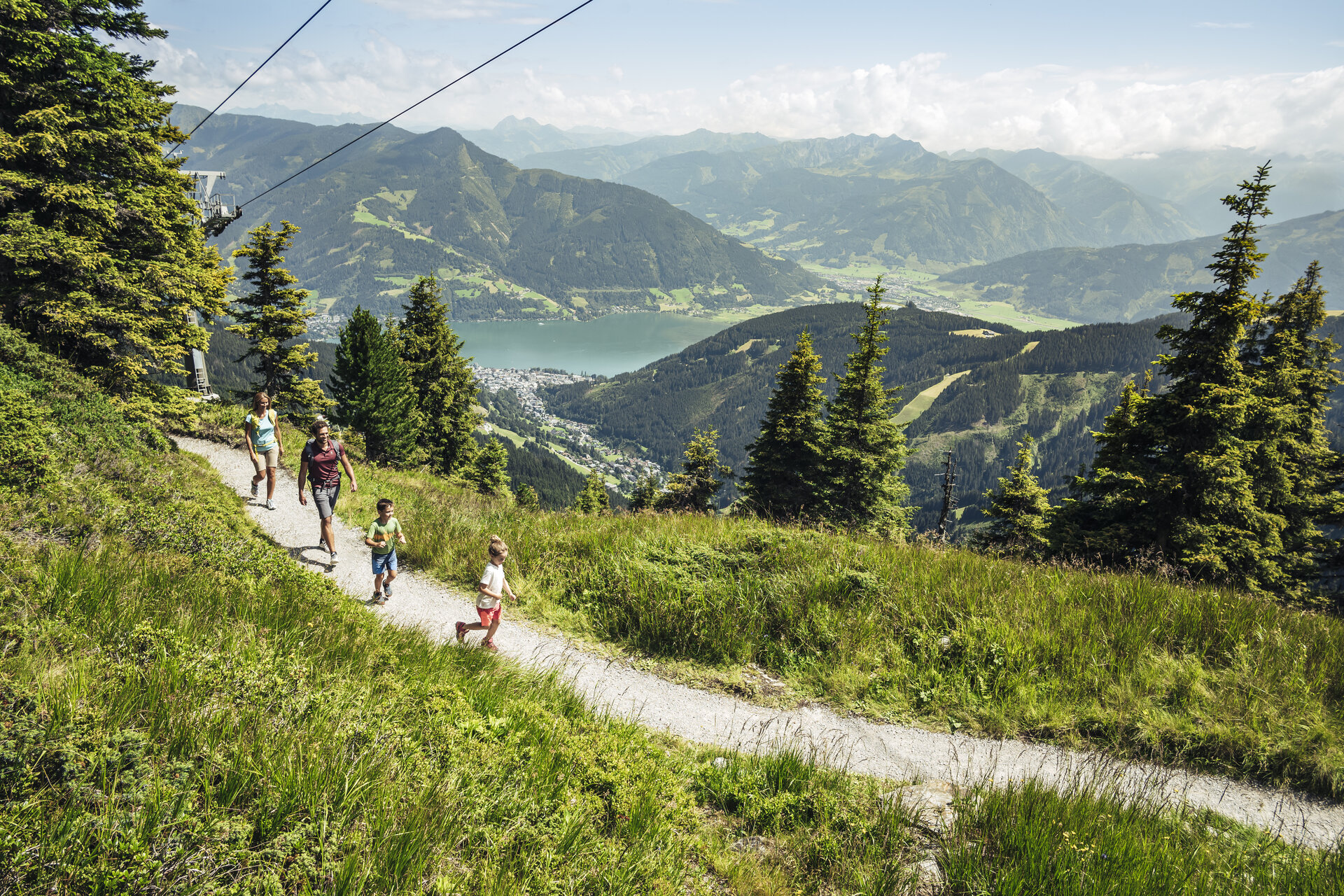
| Schmittenhöhe panorama | Above Zell am See | 1,965 m | Late May to early October | More than 30 three-thousanders, pram-friendly paths |
| Kitzsteinhorn glacier | Above Kaprun | 3,029 m at the top station | Lifts run year-round for sightseeing | Touching snow in August |
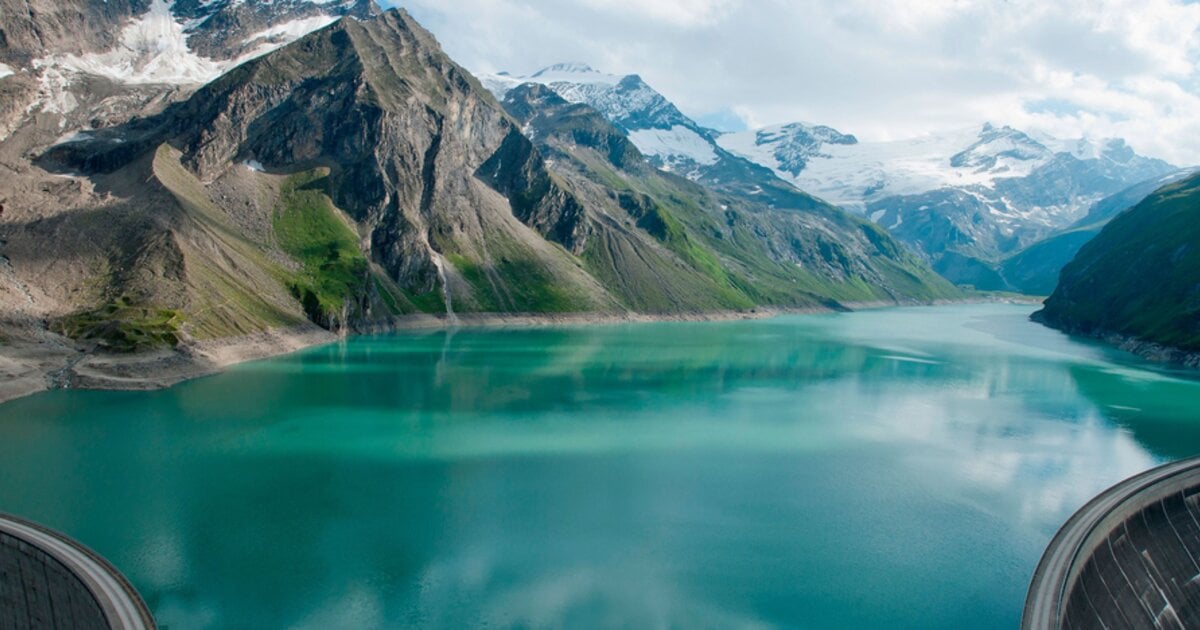
| Kaprun high mountain reservoirs | Kaprun valley | About 2,000 m | Roughly late May to mid-October | Dam walls and turquoise water |
| Sigmund Thun Gorge | Kaprun | 800 m | Summer season | Walkways through a ravine, easy with children |
| Maisi Flitzer alpine coaster | Maiskogel, Kaprun | Valley to mid-station | Summer season | Older children and teenagers |
Part of our complete guide: Zell am See–Kaprun: The Complete Travel Guide
\nThe Zell am See summer unites two worlds that hardly anyone finds in a single place: a warm, crystal-clear mountain lake and high-alpine three-thousanders with a glacier. Anyone planning a summer holiday in Zell am See and Kaprun can swim in the turquoise Lake Zell in the morning and touch snow on the Kitzsteinhorn in the afternoon – both on a single day. This region in the Salzburg mountains is one of Austria’s most versatile summer destinations, and that is exactly what makes it so appealing.
\n\n\n\nWhy visit Zell am See–Kaprun in summer
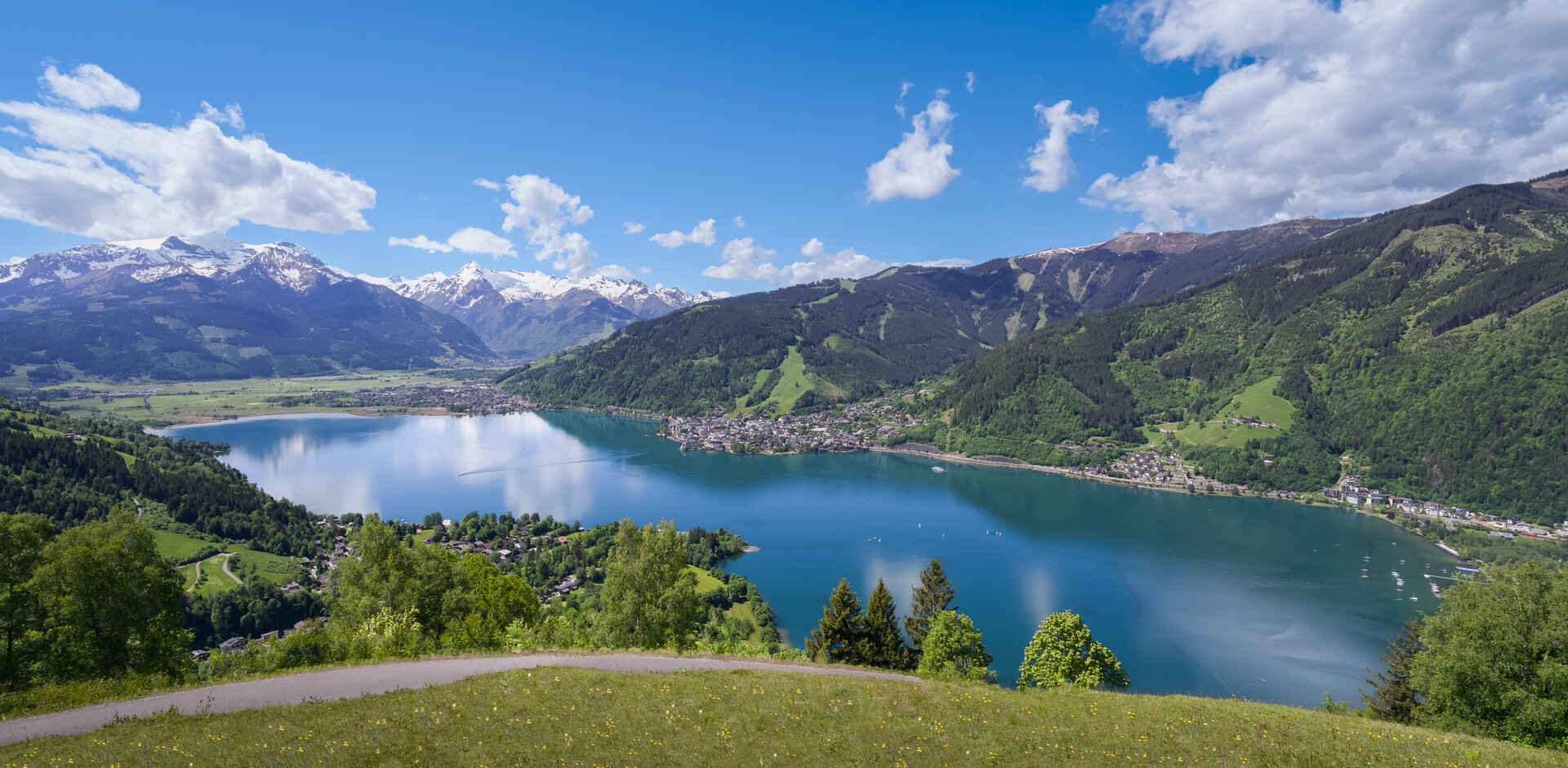
\n\n\n\nThe region’s greatest gift is Lake Zell itself. With water temperatures of up to 23 to 24 degrees in high summer, it ranks among the warmer bathing lakes of the Alps, and its drinking-water quality is outstanding. The deep-blue water is framed by the Schmittenhöhe to the west and the mighty Glockner group to the south. This interplay of lake and mountains creates a pleasantly mild climate: the summers are warm but rarely oppressive, and on hot days the difference in altitude always brings a cool breeze from the glacier.
\n\n\n\nAdd to that the unique range of altitudes. From the lakeshore at 750 metres up to over 3,000 metres on the Kitzsteinhorn lie entire climate zones. That means you simply choose your weather and your temperature according to elevation. This article is part of our complete Zell am See–Kaprun travel guide and takes you through the finest summer experiences.
\n\n\n\nOn the water: Lake Zell
\n\n\n\nLake Zell is the pulsing heart of summer. Several lidos around the shore invite you for a swim. Especially popular is the lido in Thumersbach on the eastern shore, from where you enjoy the classic postcard view of Zell am See with the Kitzsteinhorn in the background. Families appreciate the gently sloping lawns, diving platforms and children’s areas.
\n\n\n\n
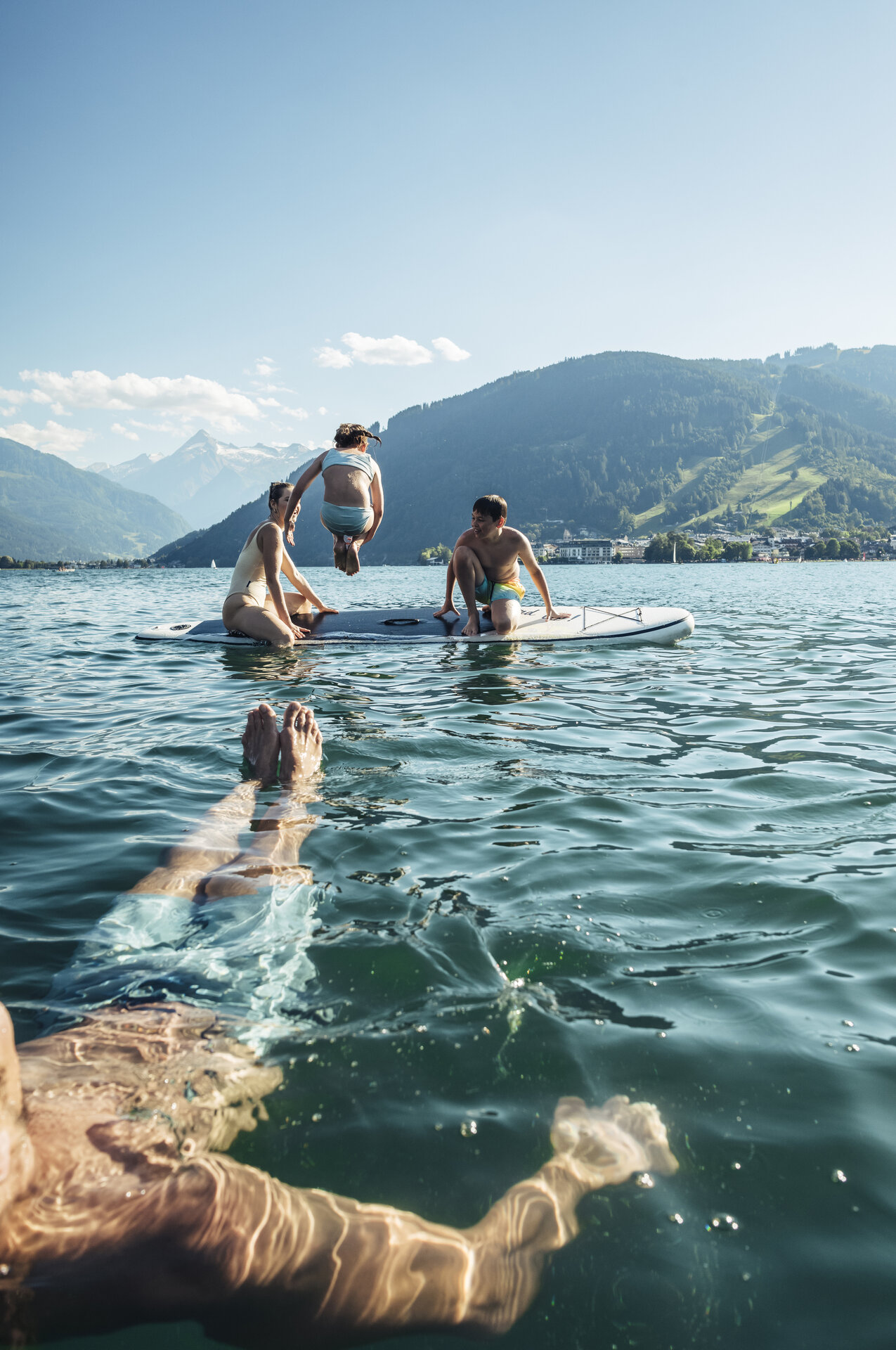
If you prefer something more active, rent a stand-up paddleboard and glide across the mirror-smooth water in the morning calm. Pedal and electric boats, sailing and surfing are all possible too. An absolute must is a round trip aboard the excursion boats of the Zell am See ferry service, which show you the lake and its mountains from an entirely new perspective.
\n\n\n\n- Swimming at several lidos, including Thumersbach, Seespitz and Erlberg
- Stand-up paddling, pedal boats, electric boats and sailing
- Leisurely round trips aboard the excursion boats
- An early-morning swim in the lake’s crystal-clear drinking water
Hiking & mountains
\n\n\n\nAbove Zell am See rises the Schmittenhöhe, the region’s local mountain. Easily reached by cable car, it opens up a panorama of more than thirty three-thousanders. The summit circular trail and the viewing platforms such as the Kaiserblick are among the finest vantage points in the Alps. Families will find pram-friendly paths and themed trails here.
\n\n\n\n
Its counterpart is the Kitzsteinhorn, the region’s glacier, known as the “TOP OF SALZBURG” with its summit station at 3,029 metres. Even in high summer there is snow here, and the viewing platform along with the Glacier World galleries bring the high-alpine landscape up close. If you prefer a quieter pace, the middle elevations offer countless panoramic paths and family-friendly alpine-pasture hikes with places to stop for refreshments.
\n\n\n\nKaprun in summer
\n\n\n\nKaprun in summer is an experience in its own right and deserves special attention. Right on the edge of the village lies the Maiskogel, Kaprun’s family mountain. The highlight is the Maisi Flitzer, a fast alpine-coaster summer toboggan run that winds its way down into the valley in tight curves – huge fun for young and old. The Maiskogel is easily reached via the MK Maiskogelbahn.
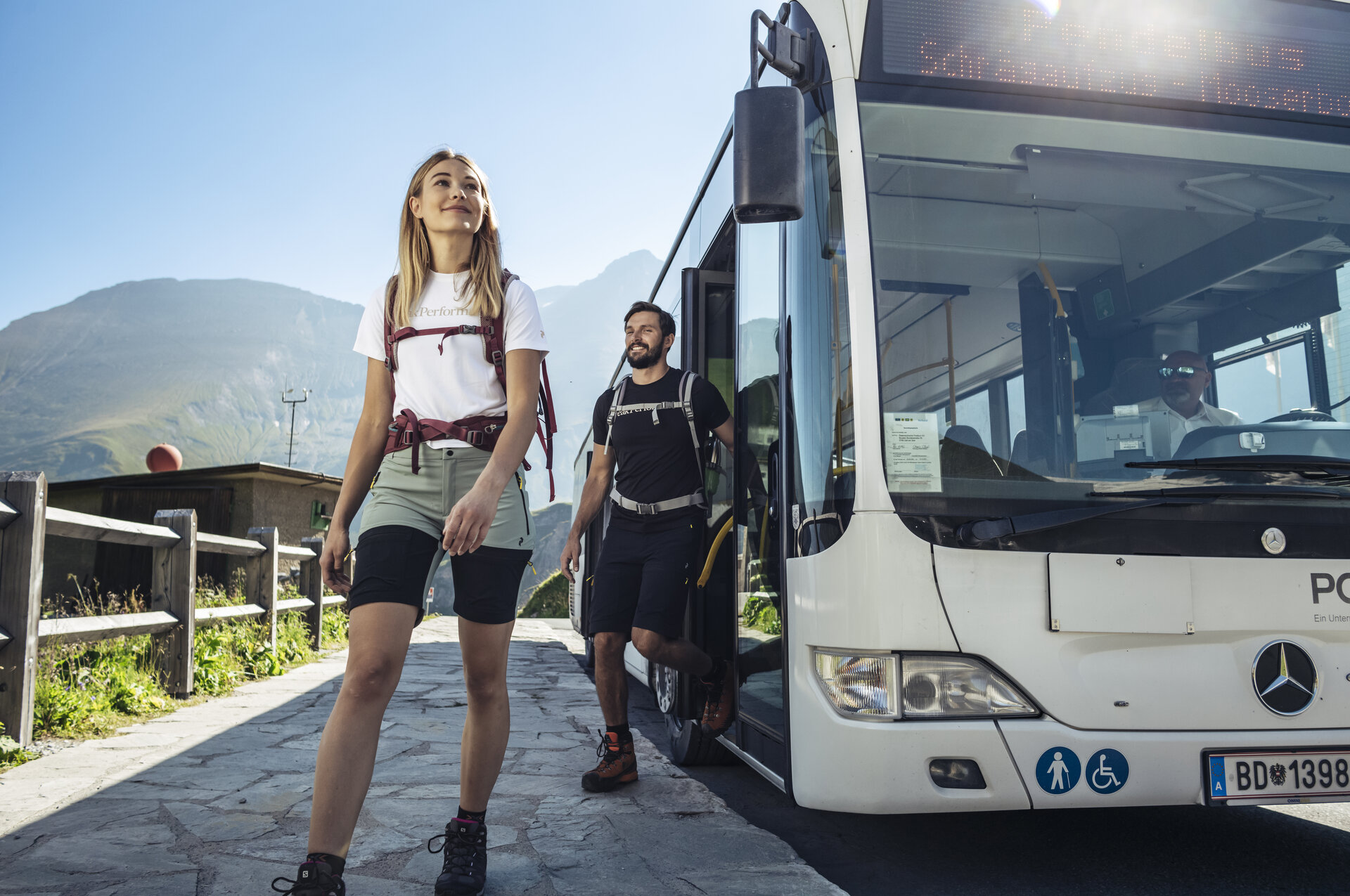
\n\n\n\nAnother natural wonder are the Kaprun high mountain reservoirs. A bus and the spectacular inclined lift take you up to the enormous dam walls at around 2,000 metres, embedded in a magnificent high-mountain setting with turquoise-blue water. Anyone travelling to Kaprun in summer should also visit the Sigmund Thun Gorge: safe walkways and bridges lead through a wildly romantic ravine where the meltwater thunders its way through.
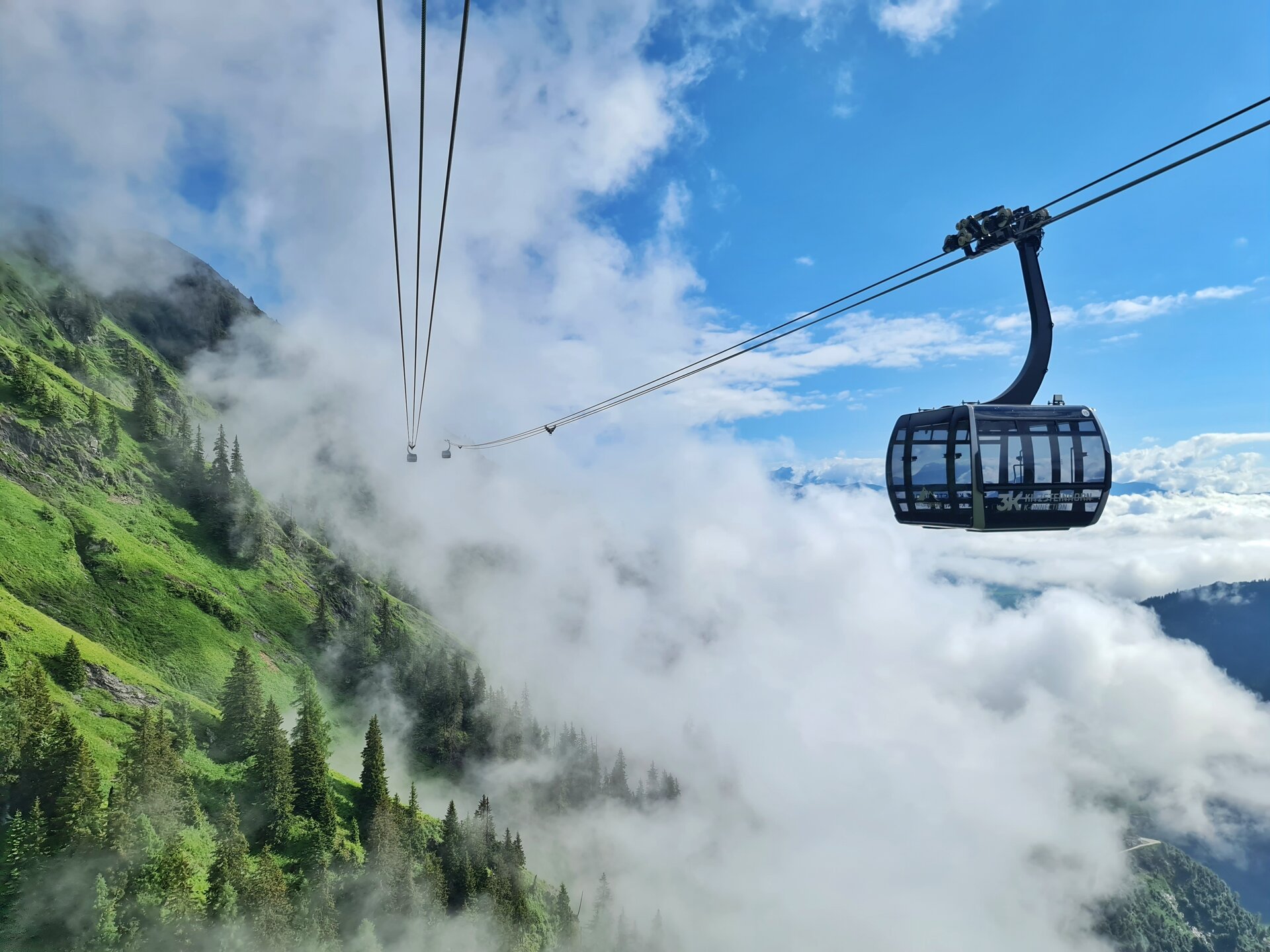
\n\n\n\nThe crowning finale is the glacier tour up to the Kitzsteinhorn, which belongs to Kaprun in terms of access. Modern cable cars carry you from Kaprun straight up to the eternal ice. This makes Kaprun in summer the ideal starting point for adventures between gorge, reservoir and glacier.
\n\n\n\nBiking & adventure
\n\n\n\nThe region is a paradise for cyclists. From the leisurely Tauern cycle path along the Salzach and gravel tours around the lake to demanding mountain-bike trails, there is something for everyone. E-bikes make even the climbs up to the alpine pastures effortless, and numerous rental stations have the right bikes ready.
\n\n\n\n
Craving adrenaline? Paragliding from the Schmittenhöhe lets you glide silently over the lake. White-water fans will get their money’s worth rafting and canyoning in the surrounding rivers and gorges. That is how summer in Zell am See and Kaprun turns into an adventure playground.
\n\n\n\nFamily summer & practical tips
\n\n\n\nFamilies love the region because mountain and lake lie so close together. The biggest money-saver is the Zell am See-Kaprun Sommerkarte (summer card): guests of many accommodations receive it free of charge, and it includes free use of the most important mountain lifts as well as many other inclusive benefits – from the Schmittenhöhebahn to the Maiskogel.
\n\n\n\n
The best time to travel for summer runs from June to September. In June the alpine meadows are in bloom and it is quieter; July and August offer the warmest bathing temperatures; and September rewards you with clear long-distance views and mild days. By the way: anyone who would like to experience the region in the cold season too will find all the information in our Zell am See–Kaprun winter holiday guide.
\n\n\n\nWhether swimming in Lake Zell, hiking in the mountains or the great adventures around Kaprun in summer – this region combines everything that makes a perfect mountain summer. Pack your swimsuit and your hiking boots: your summer in Zell am See and Kaprun is waiting.
\n


Frequently Asked Questions
What are the summer highlights in Zell am See & Kaprun?
The Zeller See for swimming and boating, the cableways up the Kitzsteinhorn and Schmittenhöhe, the Kaprun high-mountain reservoirs, plus gorges, waterfalls and hiking trails in the surrounding area.
Is the region good for families in summer?
Yes, with shallow bathing spots, family-friendly cableways, playgrounds and the Tauern Spa, Zell am See-Kaprun is a popular family destination.
Which excursions are worthwhile in summer?
The Großglockner Hochalpenstraße, the Krimml Waterfalls, the Sigmund-Thun-Klamm and the Kaprun high-mountain reservoirs are among the most popular summer excursions.
How warm does the Zeller See get in summer?
At the height of summer the lake often reaches 21 to 24 °C, making it one of the warmer mountain lakes in the Alps.
Can you swim in Lake Zell?
Yes. Lake Zell has drinking-water quality and reaches 23 to 24 degrees in high summer. Several well-kept lidos sit around the shore, including Thumersbach, Seespitz and Erlberg, with lawns, jetties and children's areas.
Is the Kitzsteinhorn open in summer?
Yes. The lifts run year-round for sightseeing, so the top station at 3,029 metres is reachable by cable car in July and August. Summer skiing is a different matter: the ski operation runs from roughly October into spring, not through the summer.
What can you do in Kaprun in summer?
The Maisi Flitzer alpine coaster on the Maiskogel, the Kaprun high mountain reservoirs at around 2,000 metres, the Sigmund Thun Gorge and the glacier lifts up the Kitzsteinhorn. Kaprun works well as a base for all four in a single stay.
How many days do you need in Zell am See in summer?
Three to four days covers the essentials: one for the lake, one for the Schmittenhöhe, one for the Kitzsteinhorn glacier and one for Kaprun's gorge and reservoirs. A week lets you add the Großglockner road and the Krimml Waterfalls without rushing.
Is it better to stay in Zell am See or Kaprun in summer?
In summer the choice matters less than people expect. The two towns are 9 kilometres apart and the bus runs several times an hour. Zell am See gives you the lake and the livelier old town; Kaprun is quieter and puts you closer to the glacier, the gorge and the reservoirs.
Can you see snow in Zell am See in August?
Yes, on the Kitzsteinhorn. The glacier at just over 3,000 metres holds snow year-round and is reached by cable car with no mountain experience needed. Dress for it: the air cools by roughly half a degree per 100 metres, leaving the top around 14 degrees colder than the lakeshore.