Key facts at a glance
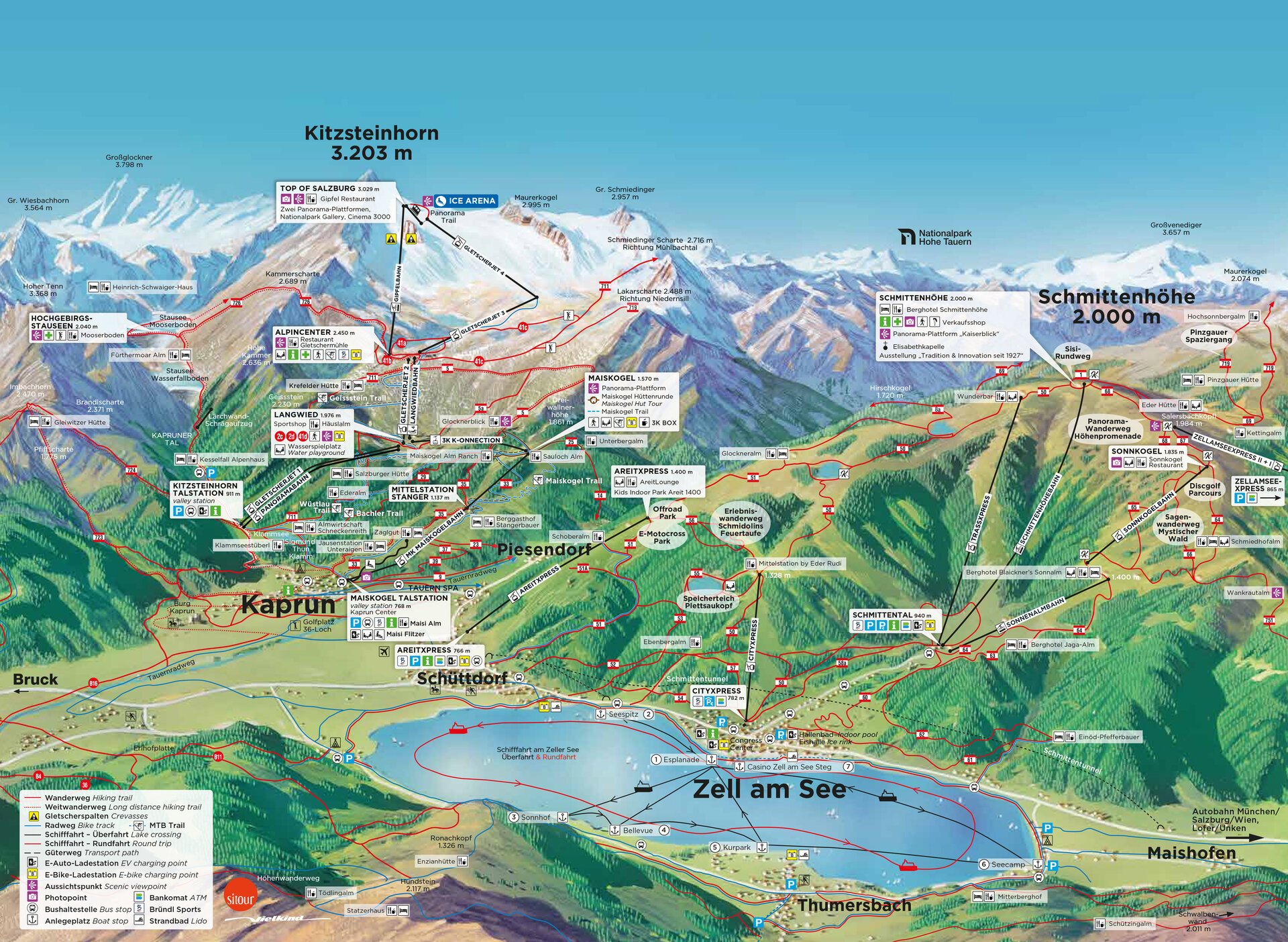
The Schmittental is the valley west of Zell am See holding the cable-car valley stations - a location, not a village. In winter you stay closest to the lift here; in summer you are furthest from the lake.
In short: The Schmittental is the valley west of Zell am See that leads up to the Schmittenhöhe — not a village, but a residential and access area holding the cable-car valley stations. Stay here and you are first at the lift in the morning and further from everything else in the evening. That is the whole trade, and it only really pays in winter.
A valley, not a village
A clarification first, because booking sites lose it constantly: the Schmittental is not a place of its own, and not a district with a centre. It is the hollow between the town and the foot of the Schmittenhöhe — a road with hotels, guesthouses, houses and the valley stations that carry you up into the ski area. Booking “Schmittental” means booking a location, not a settlement.
Equally important: the Schmittental is not the Schmittenhöhe. The mountain is the attraction and the ski area, with the panorama and the summit restaurants. The valley beneath it is the way up. The two are confused regularly, and the difference decides whether you book a view or a car park.
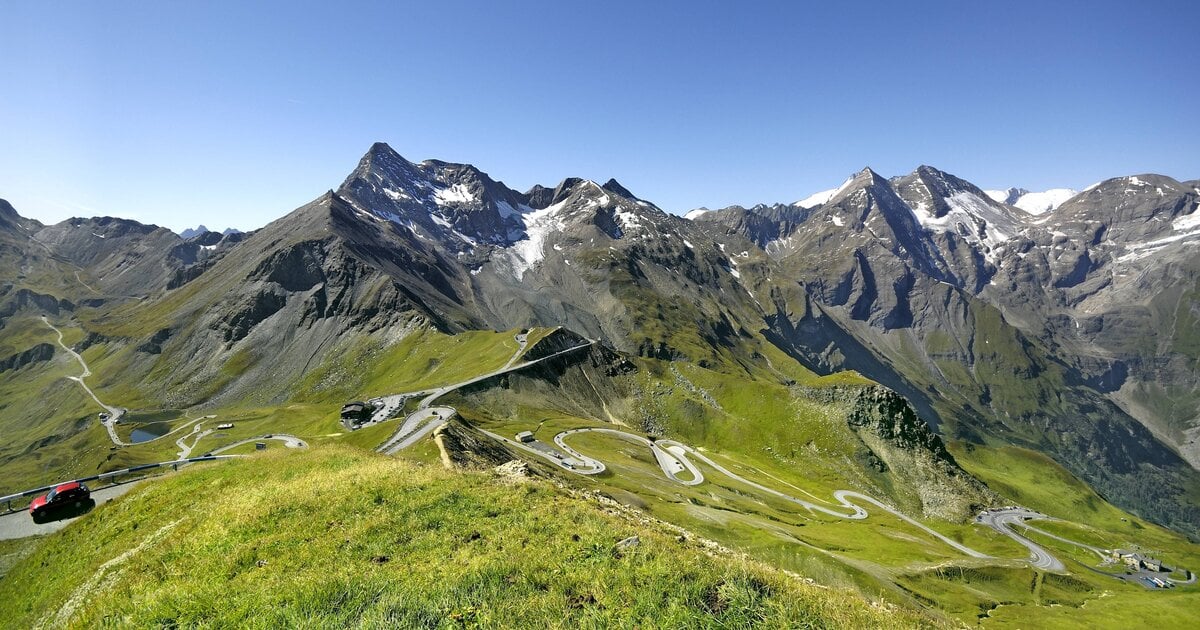
In landscape terms it is a quiet, wooded side valley — meadows, streams, slopes that steepen quickly. There is no pedestrian zone, no main square and no shops in any meaningful sense. What it has is altitude and the shortest connection upwards.
The Schmittental as a base
The argument is very strong in winter and weak in summer — and anyone who does not separate the two books the wrong thing.
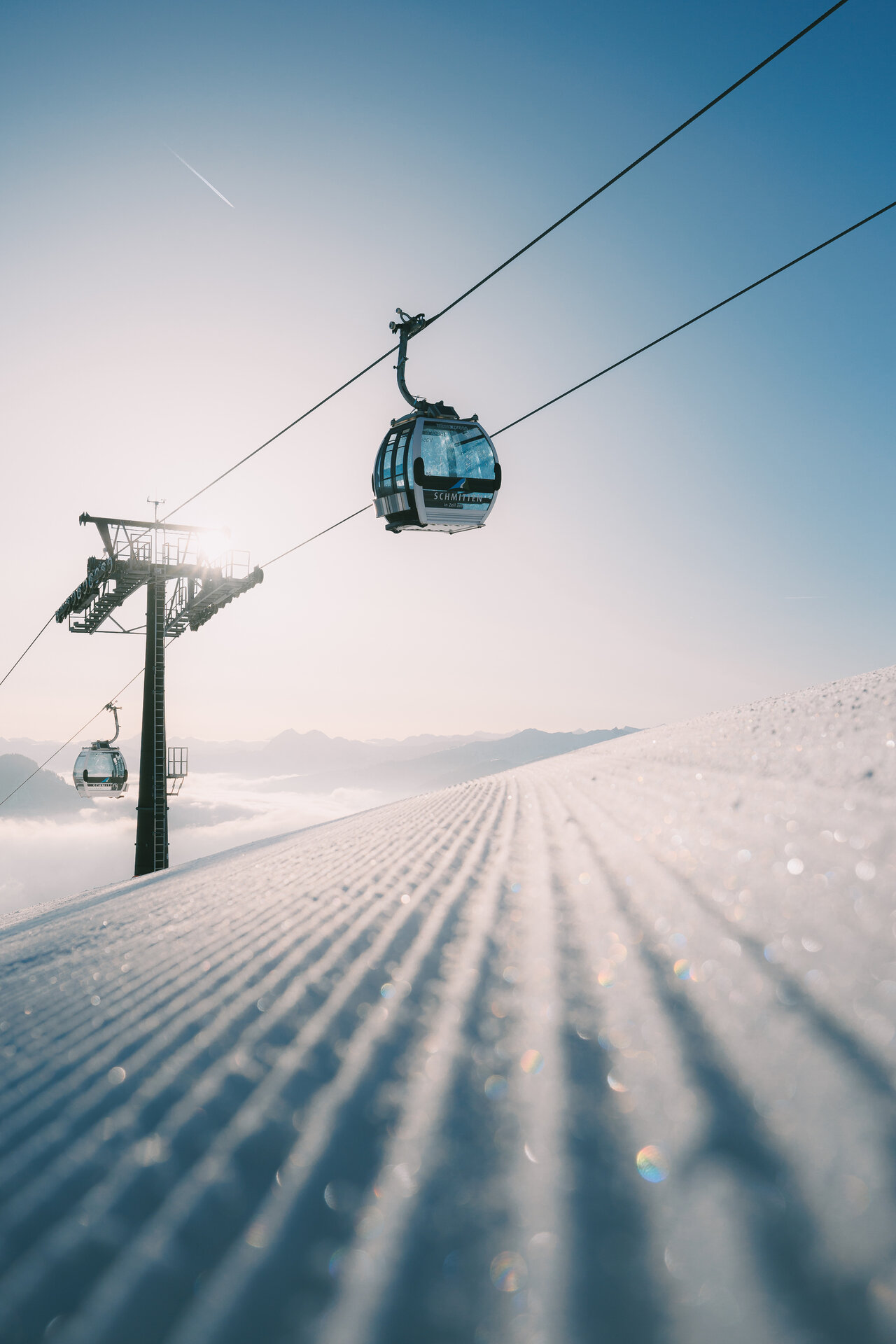
In winter you are staying on the approach to the ski area. The valley stations are in the valley, not in town. That means no ski bus in the morning, no waiting at a stop in wet boots, and at midday you can go back to your room without losing half the day to it. For families with small children that is often exactly the difference between a good ski day and an exhausting one.
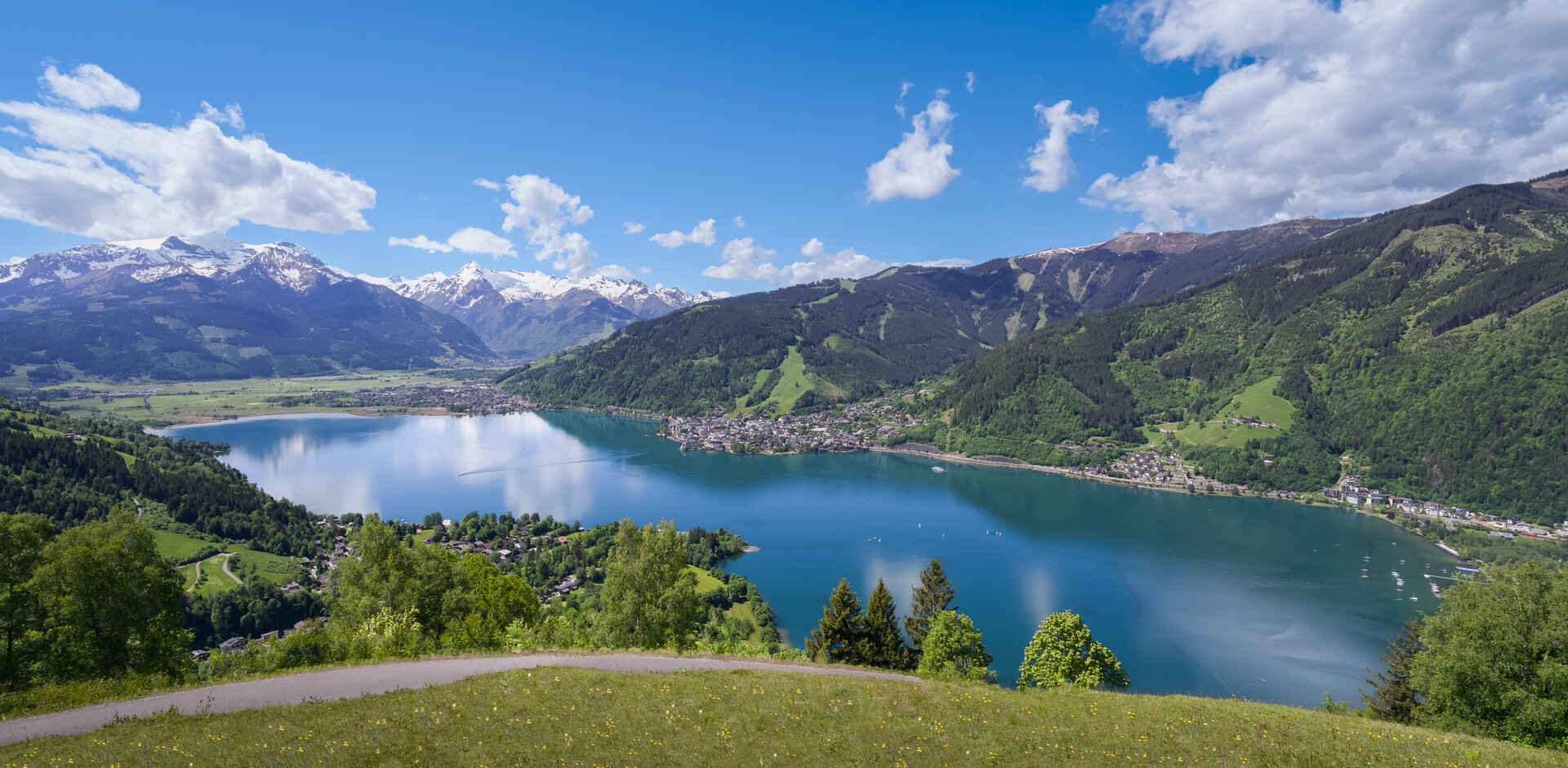
In summer the calculation flips. The lake is then the main reason most guests come, and it lies on the other side of town. From the Schmittental to the lido is a journey you make twice a day. If you are coming in July for the water, you are better off in Thumersbach or in town.
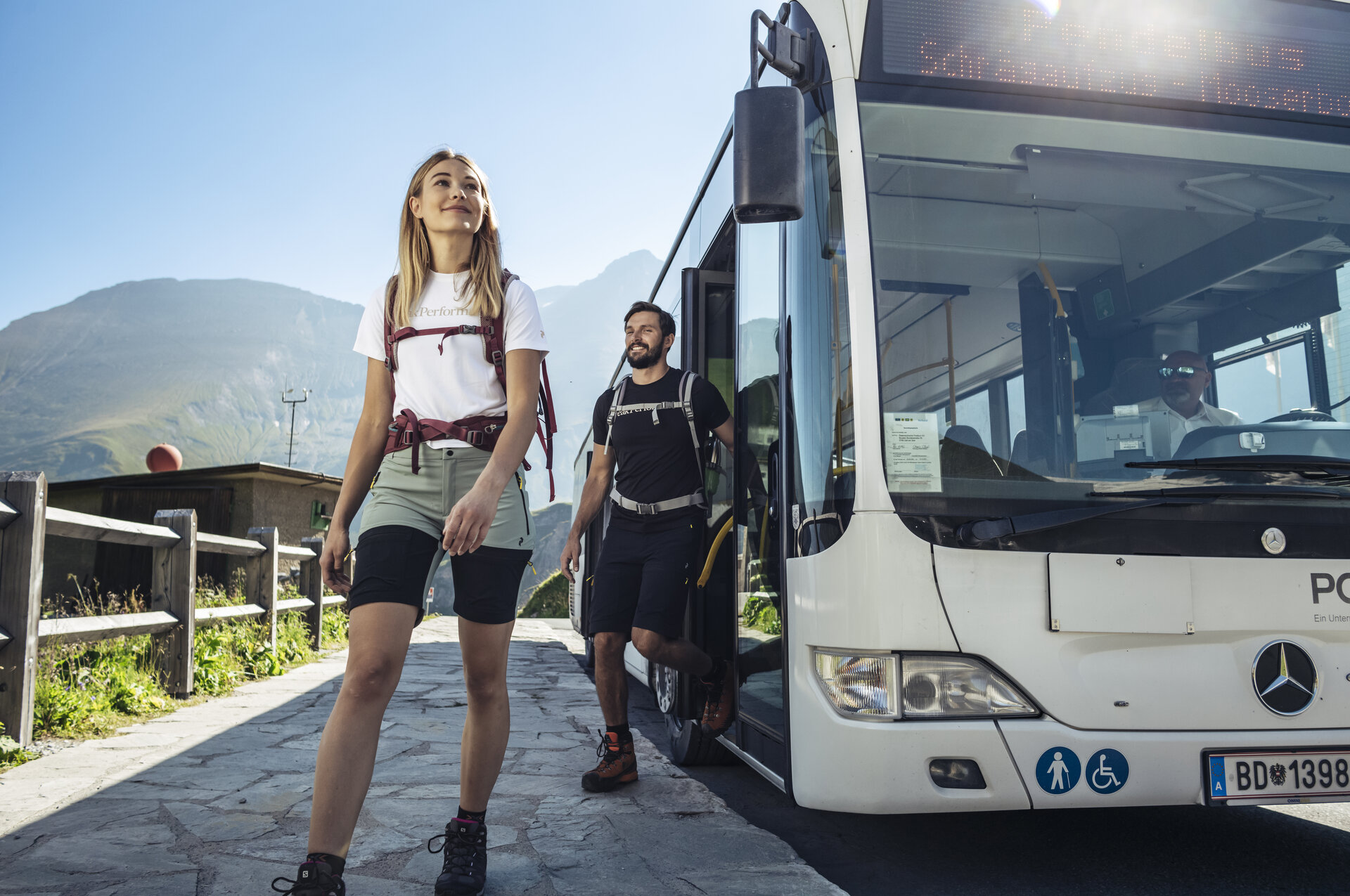
Without a car the Schmittental is workable but less convenient than Schüttdorf or the old town. There are bus connections into town and to the valley stations; check the frequency and the last departure before booking. Timetables are with the Salzburg transport authority. Expect not to be walking into town and back on a whim in the evening.
What the Summer Card gives you here
The Summer Card is valid between 15 May and 31 October and includes the Schmittenhöhe, Kitzsteinhorn (excluding the 3K K-onnection and the ski lifts) and Maiskogel cable cars, all three lidos and the indoor pool. In the Schmittental that means the ascent to the Schmittenhöhe begins practically at your door and costs nothing extra — in summer that is the real advantage of this location.
Not included is free travel on the panoramic boat trip; the tourist board lists a reduction for it and names special conditions between 15 July and 15 September.
Where to stay
Some of the municipality’s closest-to-the-slope properties stand in the Schmittental. If that is why you are coming, the distance to the valley station is the only criterion that counts — more than stars, more than a spa area. We have compared the region’s properties on exactly that basis: ski hotels directly on the slope.
A price advantage over the town cannot be claimed here as a rule. Slope proximity is the region’s most expensive attribute in winter, and in the Schmittental you are often paying precisely for it. If you want cheap and still close to the lift, compare the valley with Schüttdorf, where the Areit station is also inside the district and the bed supply is considerably larger.
What you do in the Schmittental
- Go up the Schmittenhöhe — skiing in winter, walking in summer, at no extra cost with the Summer Card. That is the purpose of this location.
- Walk straight from the door. The paths into the valley and up the slopes start here, with no journey first. For early risers that is worth more than it sounds.
- Walking into town is possible and, depending where in the valley you are, takes noticeably longer than the map suggests — it is downhill there and uphill back.
The valley itself is not an attraction. If you want a programme, you will find it among the excursions around the region.
Who the Schmittental suits — and who it does not
First, what could spoil the booking:
- You are coming in summer for the lake. Then you are on the wrong side of town and will drive there and back every day.
- You want to go out in the evening. There is nothing here for that. The restaurants are in town, and the way back is uphill.
- You expect a village. There isn’t one. No centre, no shops, no village scene — a valley road with houses.
- You are hoping for a bargain. Slope proximity in winter is the opposite of one.
And what it is the right choice for:
- A ski holiday where every morning counts. You will not stay closer to the lifts in Zell am See.
- Families with small children in winter. Taking the midday break in your own room rather than in a mountain hut is the real gain.
- Walkers who want an early start. The paths begin outside the door instead of after a bus ride.
- Anyone who values quiet over choice. Nothing happens here in the evening, and for some people that is exactly the point.
In short: the Schmittental is a winter location. In December it is the best address in the municipality; in July it is the most awkward. How the town relates to it is in our overview of Zell am See.
Frequently Asked Questions
Is the Schmittental a village of its own?
No. It is the valley west of Zell am See holding the cable-car valley stations, hotels and houses - but with no centre, no shops and no village scene. Booking Schmittental means booking a location, not a settlement.
What is the difference between the Schmittental and the Schmittenhöhe?
The Schmittenhöhe is the mountain with the ski area, the panorama trails and the summit restaurants. The Schmittental is the valley beneath it, the way up. The two are frequently confused.
Is the Schmittental worth it in summer?
Only up to a point. The ascent to the Schmittenhöhe begins practically at your door and costs nothing extra with the Summer Card. But the lake is on the other side of town, so anyone coming for the water travels there and back daily.
Is the Schmittental cheaper than the town?
Not as a rule, rather the opposite. Slope proximity is the region's most expensive attribute in winter. If you want a lower price and still want to be near the lift, compare it with Schüttdorf, where the Areit station is also inside the district and the bed supply is larger.
Can you manage in the Schmittental without a car?
It is workable, but less convenient than Schüttdorf or the old town. There are buses into town and to the valley stations; check the frequency and the last departure before booking. Walking into town and back on a whim in the evening is not realistic here.