Key facts at a glance
Salzburg is only 85 km from Zell am See and is well served from the UK, but many of those routes run roughly December to April for the ski season; in summer the schedule thins and Munich, 200 km away with year-round flights from across the UK, is often the better answer. No visa is needed, but the 90/180 rule and passport validity rules now apply, and ETIAS arrives in the last quarter of 2026. A UK photocard licence is enough to hire a car without an International Driving Permit, and Austrian motorways require a vignette.
The seasonal catch nobody mentions
Almost every UK guide to this part of Austria was written for skiers, and it shows. Salzburg airport is genuinely convenient — an hour and a quarter up the valley — and in winter you can reach it non-stop from a long list of UK airports. Checked in August 2026, London Gatwick alone was running around twenty flights a week to Salzburg, with British Airways year-round and easyJet alongside it, and Jet2 and Ryanair flying from Birmingham, easyJet from Liverpool and Southend, Jet2 from East Midlands.
The catch is that a good number of those routes run roughly December to April. Salzburg’s summer schedule is noticeably thinner than its winter one. So the honest advice depends on when you are going, and the mistake to avoid is planning a July trip around a route you remember from a ski holiday.
Which airport, and when
| Airport | Distance | Ground leg | UK service |
|---|---|---|---|
| Salzburg (SZG) | 85 km | 1 hr 15 – 1 hr 30 | Strong in winter, thinner in summer |
| Munich (MUC) | 200 km | 2 hr 30 – 3 hr | Year-round, from most UK airports |
| Innsbruck (INN) | 150 km | about 2 hr | Mainly winter charter |
| Vienna (VIE) | 400 km | 4 hr – 4 hr 30 | Year-round, but a long way out |
Winter: fly to Salzburg if you can. Nothing else comes close on total travel time, and the transfer market up the valley is built around exactly these arrivals.
Summer: check Salzburg first anyway, then price Munich against it. Munich holds a dense year-round schedule from across the UK, and two and a half to three hours of good motorway is a fair trade for a flight that actually exists on a Tuesday in July. Vienna is a long way out for a week in the mountains unless you are giving the city a couple of nights of its own.
Innsbruck is worth a look only if you are pairing Zell am See with Tyrol; its schedule is built around winter charters. The general comparison, without the UK angle, is in from the airport to Zell am See.
Search flightsEntry requirements since Brexit
No visa is needed for a holiday. British citizens travel to Austria visa-free for short stays, but three post-Brexit rules now apply that did not before:
- The 90/180 rule. You may spend up to 90 days in any rolling 180-day period across the whole Schengen area, not per country. For a normal holiday this is irrelevant; for second-home owners and anyone doing several European trips a year, it is the thing that catches people out.
- Passport validity. Your passport needs to have been issued less than ten years before the date you enter, and to be valid for at least three months after the date you intend to leave. Older passports were sometimes issued with extra months carried over, and those extra months no longer count.
- ETIAS, from the last quarter of 2026. The EU is introducing an online travel authorisation for visa-exempt nationalities, which will include British passport holders once it goes live. It is a form and a small fee rather than a visa, but it has to be done before you travel. Check whether it is in force for your dates.
Entry rules change. Confirm against the UK government’s Austria travel advice or the Austrian embassy close to your departure date rather than relying on any travel site, this one included.
Getting from the airport to the valley
Train
Zell am See sits on the Salzburg–Tyrol line with the station in the middle of town. From Salzburg airport you take a bus or taxi to the main station and continue from there, about ninety minutes in total. Austrian trains are punctual, comfortable and have real luggage space. In winter this is often the calmest option, since you avoid snow chains and parking entirely. More detail in by train to Zell am See.
Private transfer
The standard choice for a ski week, and comfortable in summer too if you are arriving with a family and a lot of luggage. Book ahead in high season rather than arranging it on landing, and give the driver your hotel address rather than just the town — the region spreads across several villages.
Book an airport transferHire car
Good news for British visitors: your UK photocard licence is accepted in Austria and you do not need an International Driving Permit as a tourist. Bring the licence itself, and check what your hire agreement says about crossing into Germany or Italy if you plan to.
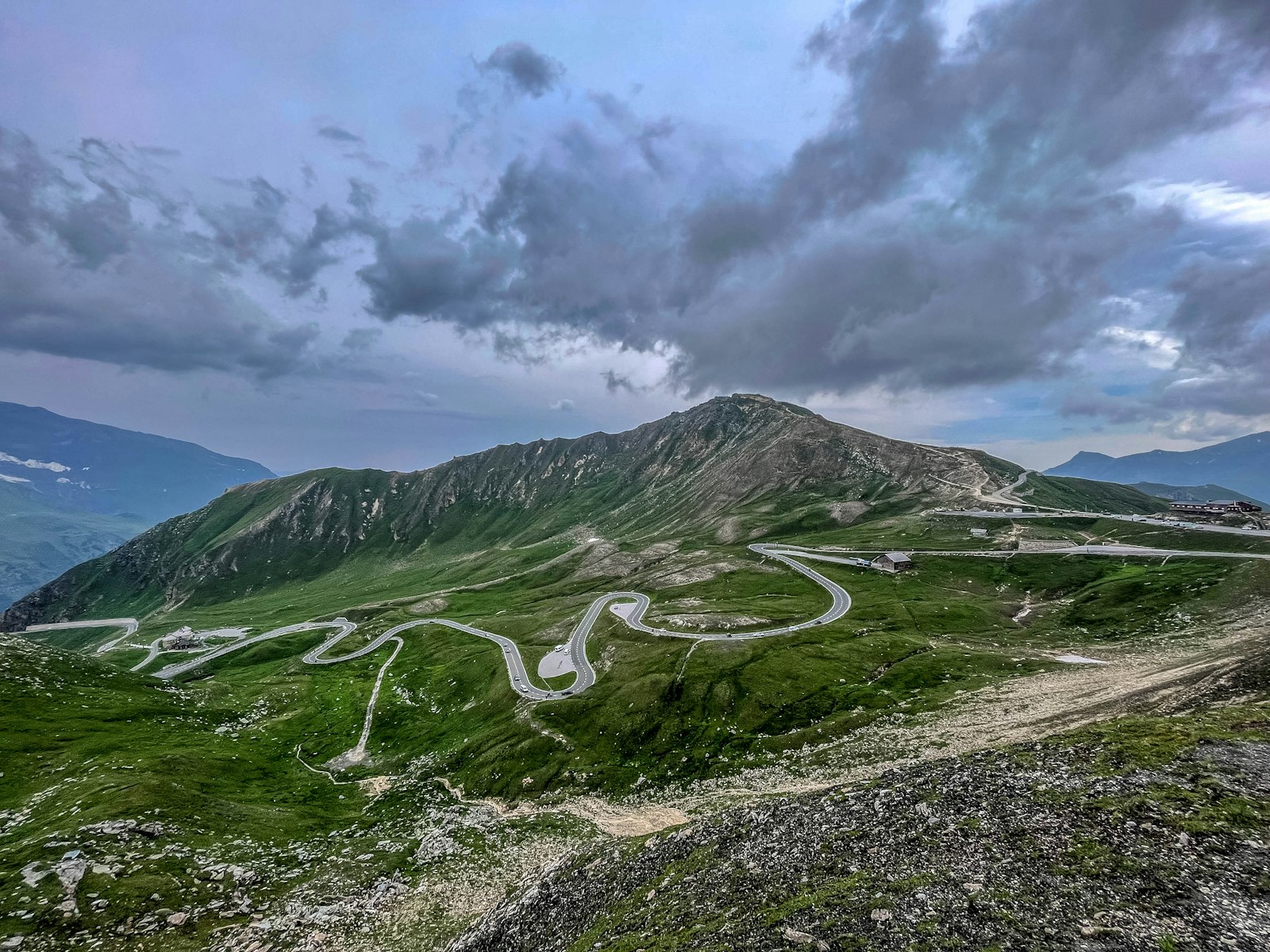
A car earns its keep if you want the Grossglockner High Alpine Road, the Krimml waterfalls or day trips out of the region. Inside Zell am See and Kaprun you can manage without one — the case either way is set out in do you need a car in Zell am See, and parking in town has its own quirks, covered in parking in Zell am See.
Compare rental carsIf you are driving your own car from the UK
It is roughly 1,300 kilometres from the Channel, which is a comfortable two-day drive and a long single day for the determined. Via Eurotunnel or a Dover crossing the usual line is through Belgium and Germany to Munich, then south. What British drivers most often get caught out by:
- The vignette. Austrian motorways need one before you join, and the Tauern motorway from the south carries a separate toll on top. Buy it online in advance — watching the start date you select — or at a filling station before the border. Prices and the digital-versus-sticker question are in the vignette and Austrian tolls.
- Kit you must carry. Austria requires a warning triangle, a first-aid kit and a reflective vest, and the vest has to be reachable from your seat rather than sitting in the boot.
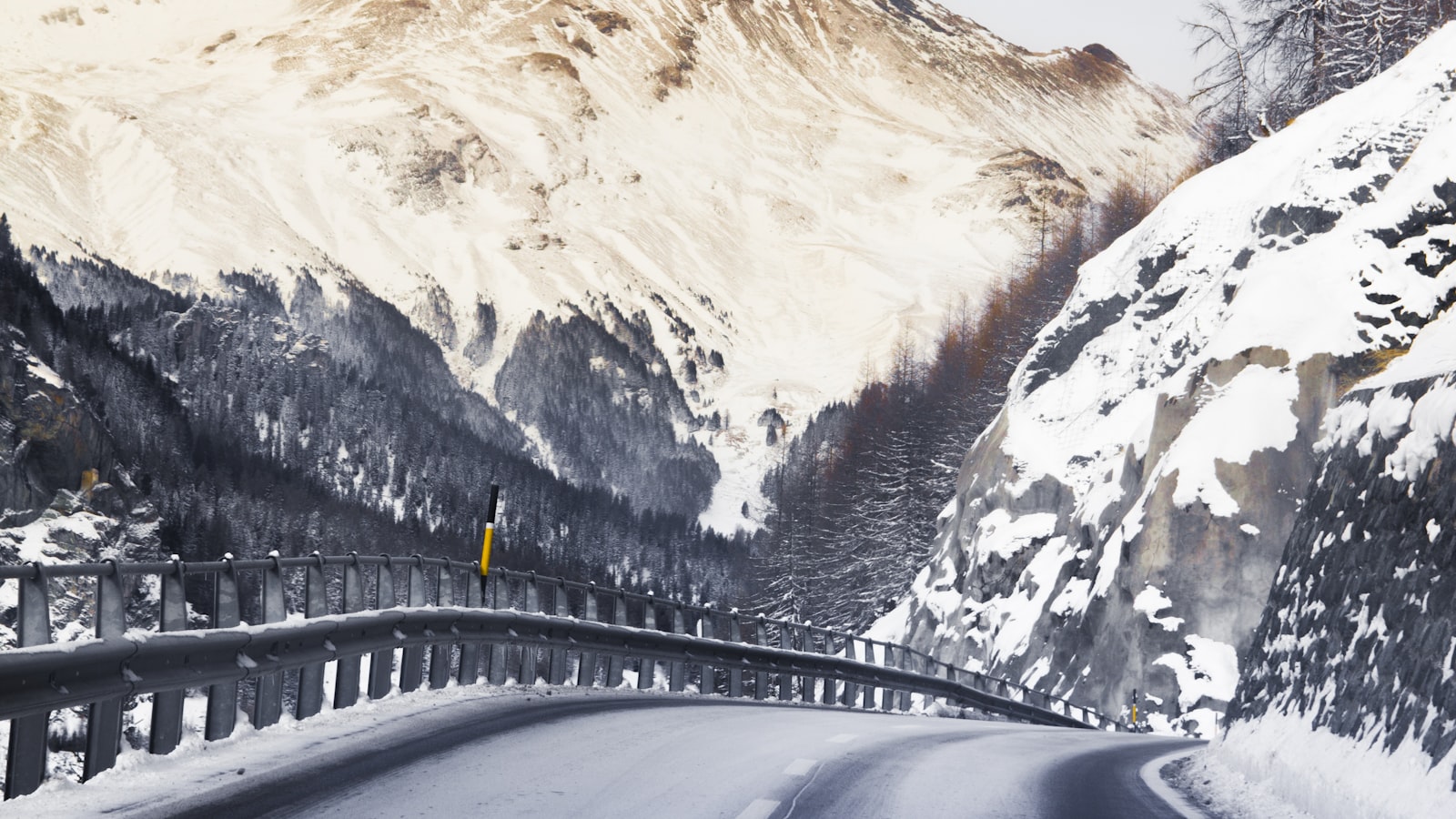
- Winter equipment, 1 November to 15 April. In wintry conditions cars need winter tyres on all four wheels — M+S marked, with more than 4 mm of tread — or snow chains on the driven wheels. This is a legal requirement, not a recommendation, and UK all-season tyres do not automatically satisfy it.
- Headlights. A right-hand-drive car dips its beam the wrong way for Austrian roads. Fit deflectors or adjust the beam before you go.
- Number plates. A UK identifier is required on the car unless your plates already carry the UK identifier with the Union flag.
Practical points for British visitors
- Healthcare. A UK GHIC (or a still-valid EHIC) covers medically necessary state healthcare in Austria. It is not a substitute for travel insurance, and it does not cover mountain rescue — which in the Alps is the expensive part. If you are walking, cycling or skiing, check that your policy covers your activity and the altitude.
- Money. Austria uses the euro. Cards work almost everywhere, though some mountain huts and small cable-car kiosks are still cash-only. Tipping is modest — round up, or five to ten per cent in a restaurant.
- Roaming. Several UK networks reintroduced EU roaming charges after Brexit. Check your plan before you travel rather than after; an eSIM is the cheap fallback.
- Sockets. 230 V with the round two-pin Type C/F plug — you need a European adapter, not a UK one.
- Weather. Alpine summer is cooler than most British visitors expect at altitude, and thunderstorms build fast in the afternoon. Layers and a waterproof, even in August.
Once you are there
If this is a first visit, start with the travel guide to Zell am See-Kaprun and things to do in Zell am See. Summer visitors will want summer in Zell am See and the Summer Card, which covers a surprising amount once your accommodation issues the guest card. Families are best served by the family hotels list, and if the forecast turns there is what to do on a rainy day.
Transparency notice: this article contains advertising links to Booking.com, DiscoverCars.com. If you book through them we receive a small commission — the price stays exactly the same for you.
Frequently Asked Questions
Can I fly direct from the UK to Zell am See?
Not to Zell am See itself, which has only a small sport airfield. The nearest airport is Salzburg, 85 km away, which is served non-stop from Gatwick, Birmingham, Liverpool, Southend and East Midlands among others. Many of those routes are seasonal and run roughly December to April, so check your specific dates.
Which airport is best in summer?
Check Salzburg first, then price Munich against it. Salzburg's summer schedule is noticeably thinner than its winter one, while Munich holds a dense year-round schedule from across the UK. Munich is 200 km out, two and a half to three hours of motorway, which is usually a fair trade for a flight that actually runs on your dates.
Do UK citizens need a visa for Austria?
No. British citizens travel visa-free for short stays. But you may only spend 90 days in any rolling 180-day period across the whole Schengen area, your passport must have been issued less than ten years before entry and be valid three months beyond your departure, and from the last quarter of 2026 you will need an ETIAS travel authorisation — an online form and small fee, not a visa.
Do I need an International Driving Permit in Austria?
No. A UK photocard licence is accepted in Austria for tourists and hire cars, so no IDP is required. Bring the licence itself, and check your hire agreement if you plan to cross into Germany or Italy.
What do I need if I drive my own car to Austria?
A motorway vignette before you join your first Austrian motorway, plus the separate Tauern toll if you come from the south. You must carry a warning triangle, first-aid kit and a reflective vest reachable from your seat. From 1 November to 15 April winter tyres or snow chains are a legal requirement in wintry conditions, and a right-hand-drive car needs headlamp deflectors.
Does a GHIC cover me in Austria?
A UK GHIC covers medically necessary state healthcare in Austria, but it is not travel insurance and it does not cover mountain rescue, which is the expensive part in the Alps. Check that your policy covers hiking, cycling or skiing at altitude.