Key facts at a glance
Zell am See sits at about 750 metres, so summer is mild rather than hot: daytime highs in the low twenties Celsius, nights near 10 degrees. Afternoon showers and thunderstorms are the normal Alpine pattern, so do the mountain in the morning. The lake reaches 21 to 22 degrees, but the glacier at 3,000 metres can be near freezing even in August.
Why July and August, and not another month
The pattern is straightforward. July and August are when the Gulf is at its most punishing, when schools are on holiday, and when the Alpine summer is at its most reliable. Visitors from Saudi Arabia, the United Arab Emirates, Kuwait and Qatar have been coming to Zell am See in these weeks for roughly two decades, and in peak years they have accounted for close to a third of the region’s summer overnight stays.
The season traditionally begins in the weeks following Ramadan and runs to the end of August. It is worth understanding that this is a genuine high season: the town is busy, prices are at their peak, and the popular attractions have queues. If you have flexibility, the first half of June and the first half of September are quieter, still green, and often blessed with more stable weather than July.
What the temperature actually feels like
This is where expectations most often need adjusting. Zell am See is not warm by Gulf standards. It is pleasantly mild, and for a few days each summer it is genuinely cold.
In July and August, daytime highs in the town typically sit in the low twenties Celsius. Published climate tables for Zell am See disagree somewhat, giving averages between roughly 20 and 24 degrees depending on the source and the reference period, so treat any single number with caution. Hot spells above 30 degrees do occur but they are the exception and they rarely last.
The nights are the part that surprises people. Average overnight lows are around 10 degrees even in midsummer, and in a clear-sky valley they can drop lower. If you are used to a summer night that never falls below 30 degrees, a 9-degree Alpine morning is a shock. Anyone sitting outside in the evening will want a jacket, and that includes August.
The daily swing matters more here than the daily average. A morning at 11 degrees, an afternoon at 24 and an evening back at 13 is an entirely ordinary July day. Dress for all three.
Rain, and the afternoon thunderstorm
Do not expect the cloudless summer of the Gulf. The Alps generate their own weather, and midsummer is one of the wetter parts of the year here rather than one of the drier ones.
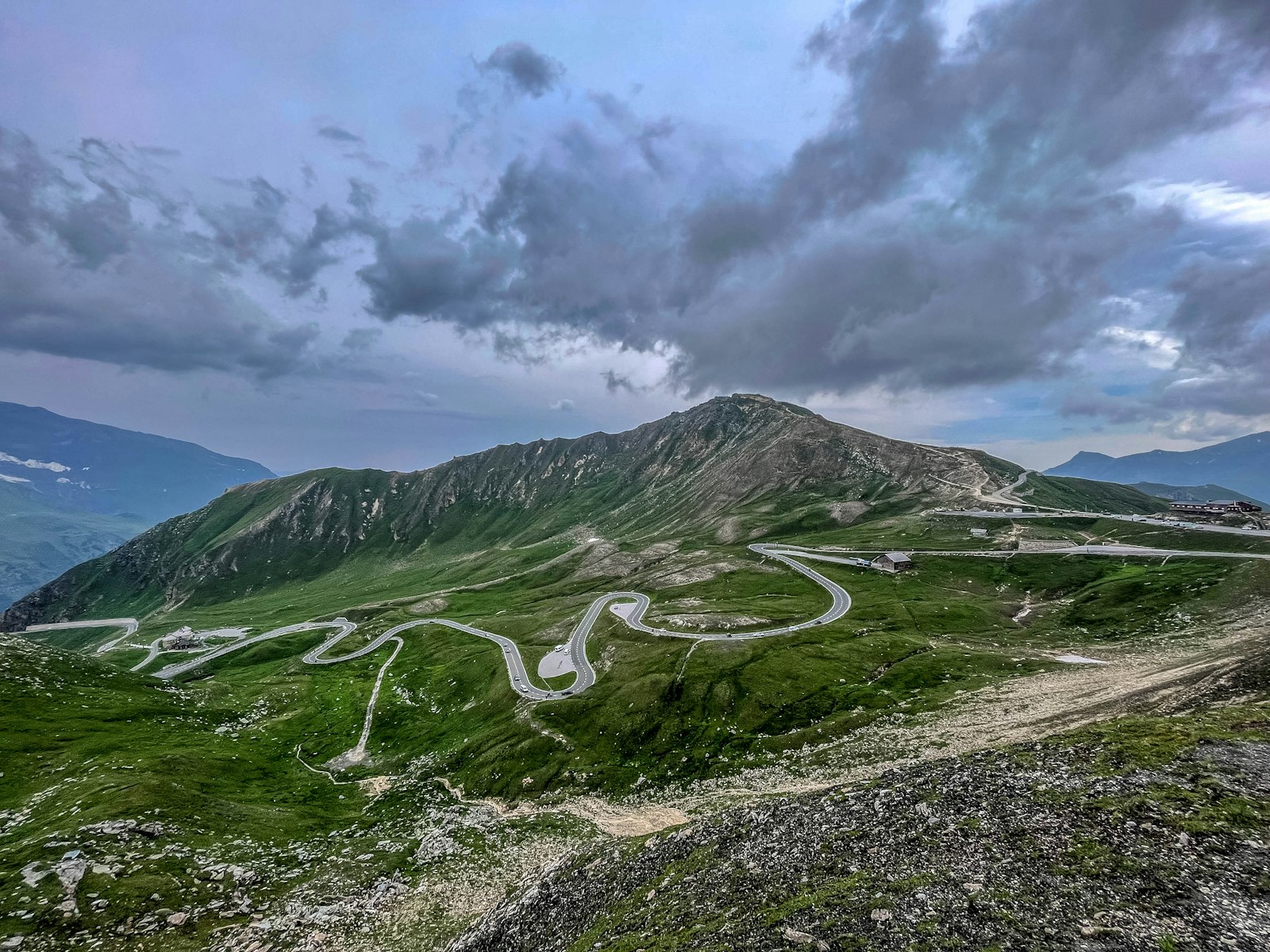
The characteristic Alpine summer pattern works like this. The morning is clear and bright. Through the middle of the day the sun heats the valley floor, moist air rises against the mountain slopes, and cloud builds over the peaks. By mid to late afternoon that cloud can produce a heavy shower or a thunderstorm, sometimes brief and sometimes not. By evening it has often cleared again.
The practical consequence is the single most useful piece of planning advice for this region: do the mountain in the morning. Cable cars, high walks and summit viewpoints are best in the first half of the day, both for the weather and for the visibility. Leave the afternoon for the lake, the town, the spa or an indoor option. Local families organise their days this way, and so should you.
Thunderstorms in the mountains are not a minor matter. If one arrives while you are at altitude, go inside or descend. Do not wait it out on an exposed ridge or next to a metal structure.
The lake is genuinely warm
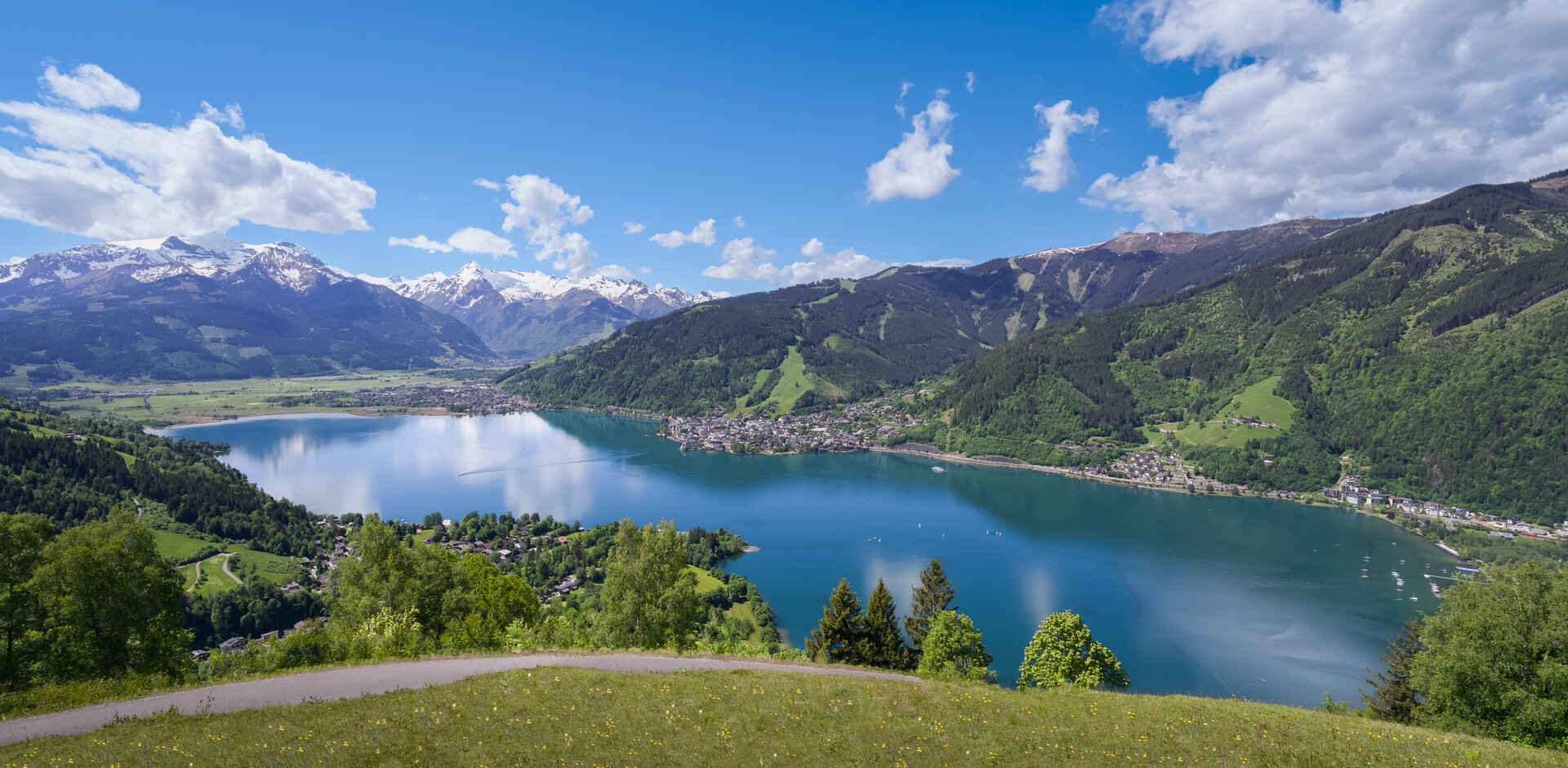
The Zeller See is small, relatively shallow and sheltered, and it warms up far more than visitors expect from a lake ringed by mountains. In July and August the average water temperature is around 21 to 22 degrees, and in a hot midsummer spell it can reach roughly 24 degrees.
That is comfortably swimmable, and the lake is one of the genuine highlights of a summer stay here. It is also clean; the water quality in the Salzburg lakes is monitored and generally excellent. There are several designated bathing areas around the shore, and boat trips run through the season.
The mountains are a different climate entirely
This catches out more visitors than anything else on this page, and it is worth taking seriously.
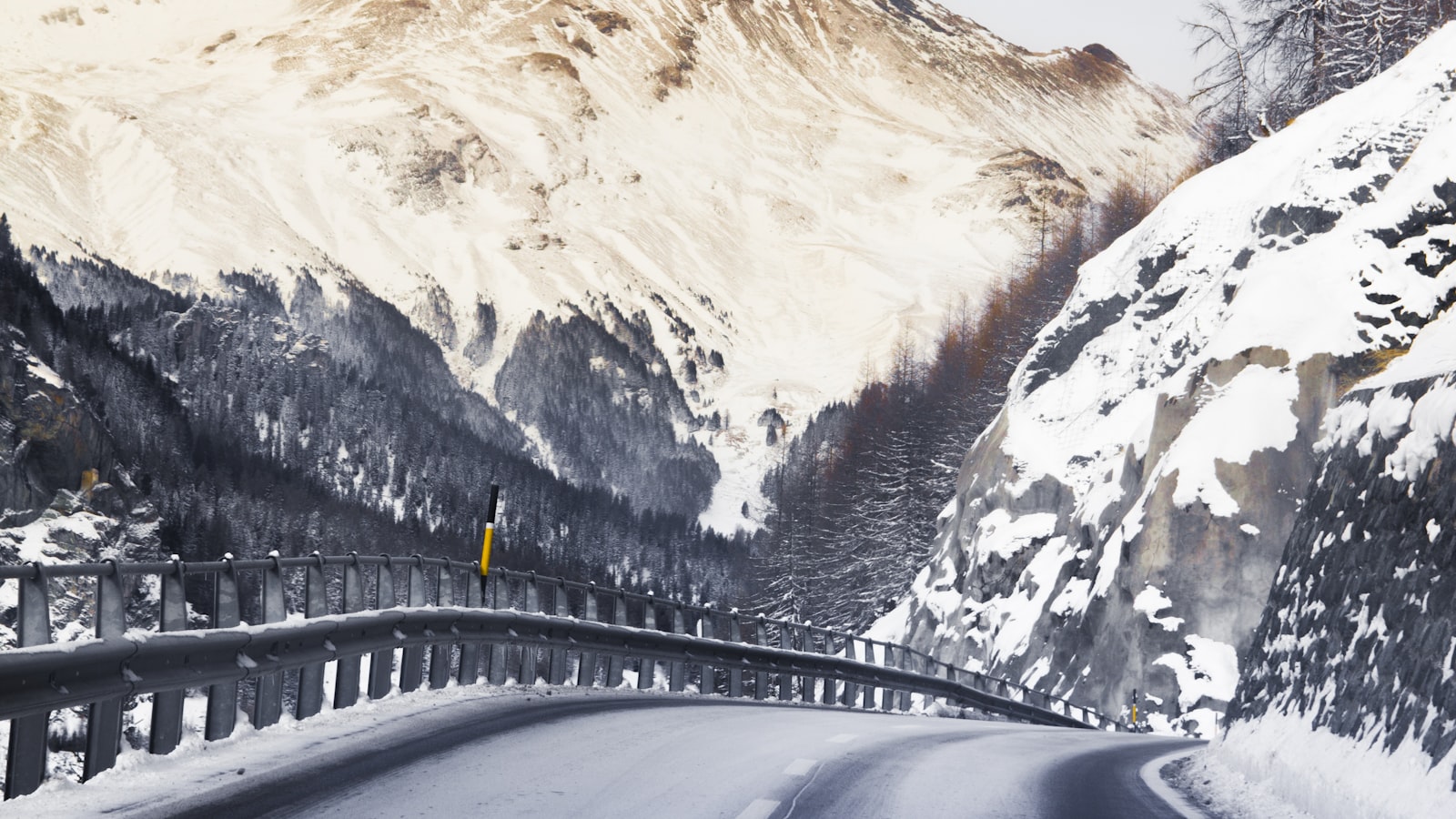
Air temperature falls by roughly 6 degrees for every 1,000 metres of altitude. The Kitzsteinhorn glacier area above Kaprun is at around 3,000 metres. When it is a pleasant 24 degrees beside the lake, the top station can be close to freezing, and it is frequently windy on top of that. There is snow there all year round, which is a large part of the appeal for Gulf visitors, but it means the clothing that is comfortable in town is not adequate at the summit.
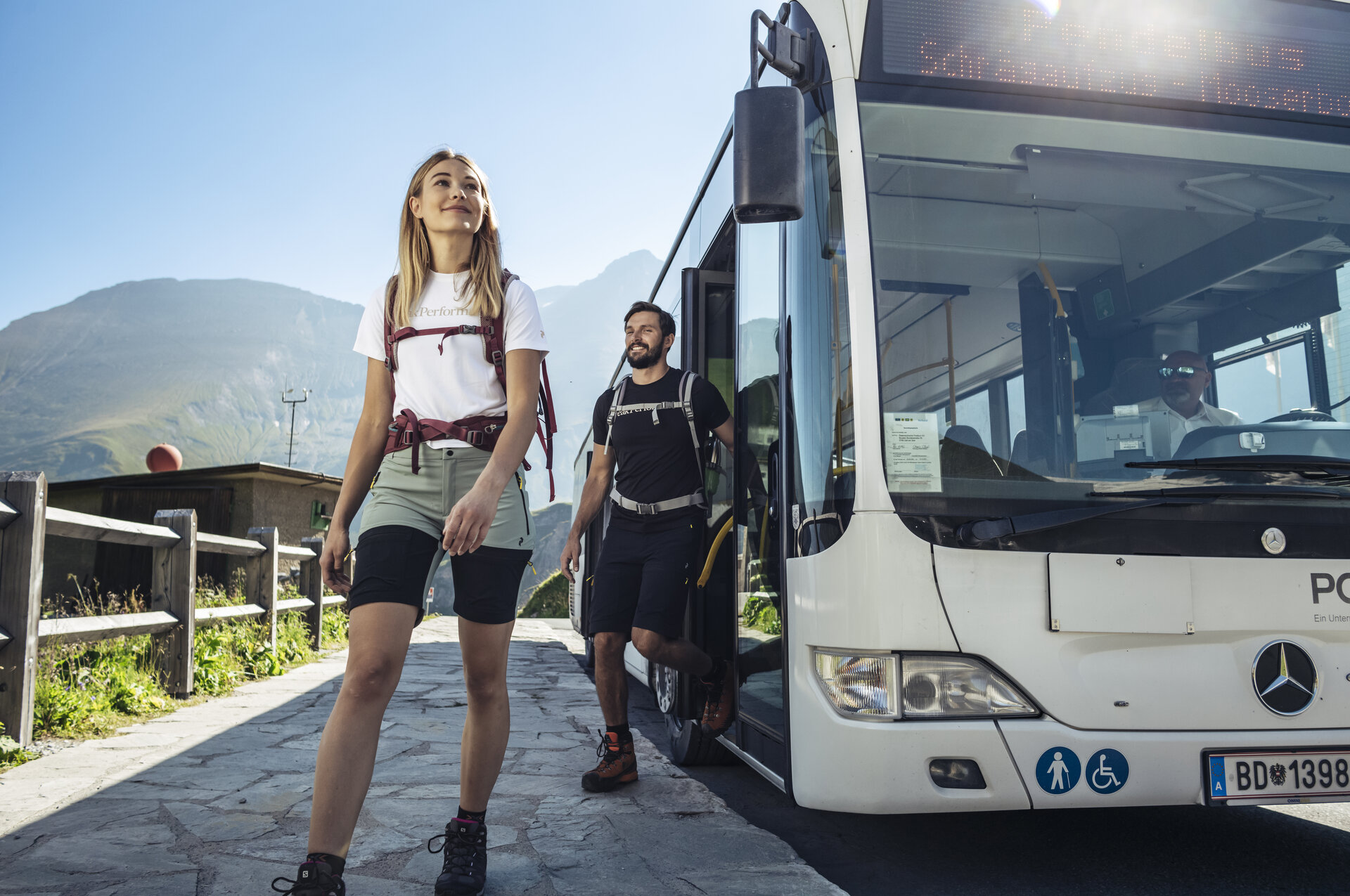
Take a warm jacket, long trousers and proper closed shoes for any glacier excursion, even in August, and take them for children too. Sandals and a t-shirt at 3,000 metres will make an otherwise wonderful morning miserable. The same applies in a milder form to the Schmittenhöhe above Zell am See at around 2,000 metres, which is typically some 12 degrees cooler than the town.
Sun is the other altitude issue. Ultraviolet radiation increases substantially with height, and snow reflects it back at you. Sunburn on a glacier on a cool day is very common. Sunscreen and sunglasses matter more up there than they do by the lake.
What to pack
Layers, and a genuine waterproof. That is the whole principle, and it is different from packing for a hot-climate holiday where one weight of clothing covers everything.
- A waterproof jacket with a hood, for everyone in the family. An umbrella is of limited use in mountain wind.
- A warm mid-layer such as a fleece or padded jacket, for evenings and for the mountain.
- Long trousers as well as summer clothing.
- Closed walking shoes with grip. Wet Alpine paths and rock are slippery.
- Swimwear for the lake and for the thermal spa.
- Sunscreen and sunglasses, particularly for the glacier.
- Warm clothing for children specifically. It is easy to pack thoroughly for yourself and forget that a child at the top station will feel the cold sooner.
If something is missing, the town has sports and outdoor shops that are well stocked precisely because this happens constantly. Buying a fleece in Zell am See is easy.
Checking the forecast properly
Mountain weather is local and changes quickly, so a national forecast for Austria is close to useless here. Use a forecast for Zell am See or Kaprun specifically, and check it the evening before and again in the morning.
Pay attention to the mountain forecast separately from the valley forecast, because they routinely differ. The cable car operators publish current conditions at their top stations, which is far more relevant to a glacier trip than the temperature in town. Lifts also close in high wind and lightning, sometimes at short notice, so check before setting out rather than after arriving at the valley station.
Planning around the weather
The realistic approach is to keep the plan flexible rather than fixed. Hold two or three mountain or lake days loosely across your stay and take whichever morning looks clearest, rather than committing to the glacier for a specific date and hoping. A week in Zell am See will almost always contain several excellent mornings; it will also almost always contain some rain.
Have indoor options ready for the wet afternoons, because you will need them. The thermal spa in Kaprun works regardless of the weather, and there is a reasonable range of other indoor activities in the region.
Where to stay, and the two questions that actually matter
Two details decide far more about a summer stay here than the star rating, and both are hard to find on a booking page: whether the rooms have any cooling, and whether your family fits in a single unit. We checked all fifteen properties in our hotel guides against their own room pages.
- Hotels directly on Lake Zell — for swimming without crossing a road. Be aware that five people is the ceiling in one unit, and only at the Grand Hotel; air conditioning is listed there in selected categories only, and not named at all by the other four.
- Family hotels in Zell am See and Kaprun — where the larger units are. One property sleeps eight to nine in a single apartment, and two list cooling in specific room categories.
- Hotels on the slope in Kaprun and Zell am See — worth reading in summer too: the chalets and apartments there have full kitchens for eight, and one property added air conditioning throughout in 2026.
Whichever you choose, ask about your specific room category rather than the property. At this altitude cooling has never been standard, so a hotel that has it in two rooms very likely does not have it in yours.
Related guides
- Indoor activities in Zell am See-Kaprun — for the wet afternoons
- TAUERN SPA Kaprun — the thermal spa, good in any weather
- Boat trips on Lake Zell
- Halal food in Zell am See-Kaprun
- Prayer facilities around Zell am See
Written in August 2026. The figures here are long-term averages and published climate tables for Zell am See vary between sources, so treat them as a guide to what is typical rather than a forecast. Always check a current local forecast before a mountain excursion.
Frequently Asked Questions
How hot does Zell am See get in July and August?
Daytime highs are typically in the low twenties Celsius. Published climate tables vary between roughly 20 and 24 degrees depending on the source and reference period. Spells above 30 degrees happen but are the exception and rarely last. Nights average around 10 degrees even in midsummer.
Does it rain a lot in Zell am See in summer?
Midsummer is one of the wetter parts of the year in the Alps rather than one of the drier ones. The typical pattern is a clear morning, cloud building over the peaks through the day, and a shower or thunderstorm in the mid to late afternoon. Planning mountain trips for the morning works around this.
Can you swim in Lake Zell?
Yes. The Zeller See averages around 21 to 22 degrees in July and August and can reach roughly 24 degrees in a hot spell. Water quality in the Salzburg lakes is monitored and generally excellent, and there are several designated bathing areas around the shore.
How cold is the Kitzsteinhorn glacier in summer?
Air temperature drops about 6 degrees per 1,000 metres, and the glacier area is around 3,000 metres. When it is 24 degrees by the lake, the top station can be close to freezing and windy, with snow present year-round. Take a warm jacket, long trousers and closed shoes even in August, including for children.
What should I pack for Zell am See in summer?
Layers and a proper waterproof jacket with a hood. Add a warm mid-layer for evenings and the mountain, long trousers, closed walking shoes with grip, swimwear for the lake and spa, and sunscreen and sunglasses for the glacier. Pack warm clothing for children specifically.