
Key facts at a glance
Zell am See sits at 750 metres; the Kitzsteinhorn reaches 3,029 metres. That altitude difference is the key to the region's weather: it can be spring in the valley while deep winter holds above. The warmest months are July and August at around 23 degrees, the coldest January and February. Lake Zell reaches about 23 degrees in high summer. The best time to visit depends on your type of trip: February and March for skiing, June and September for hiking, July and August for swimming.
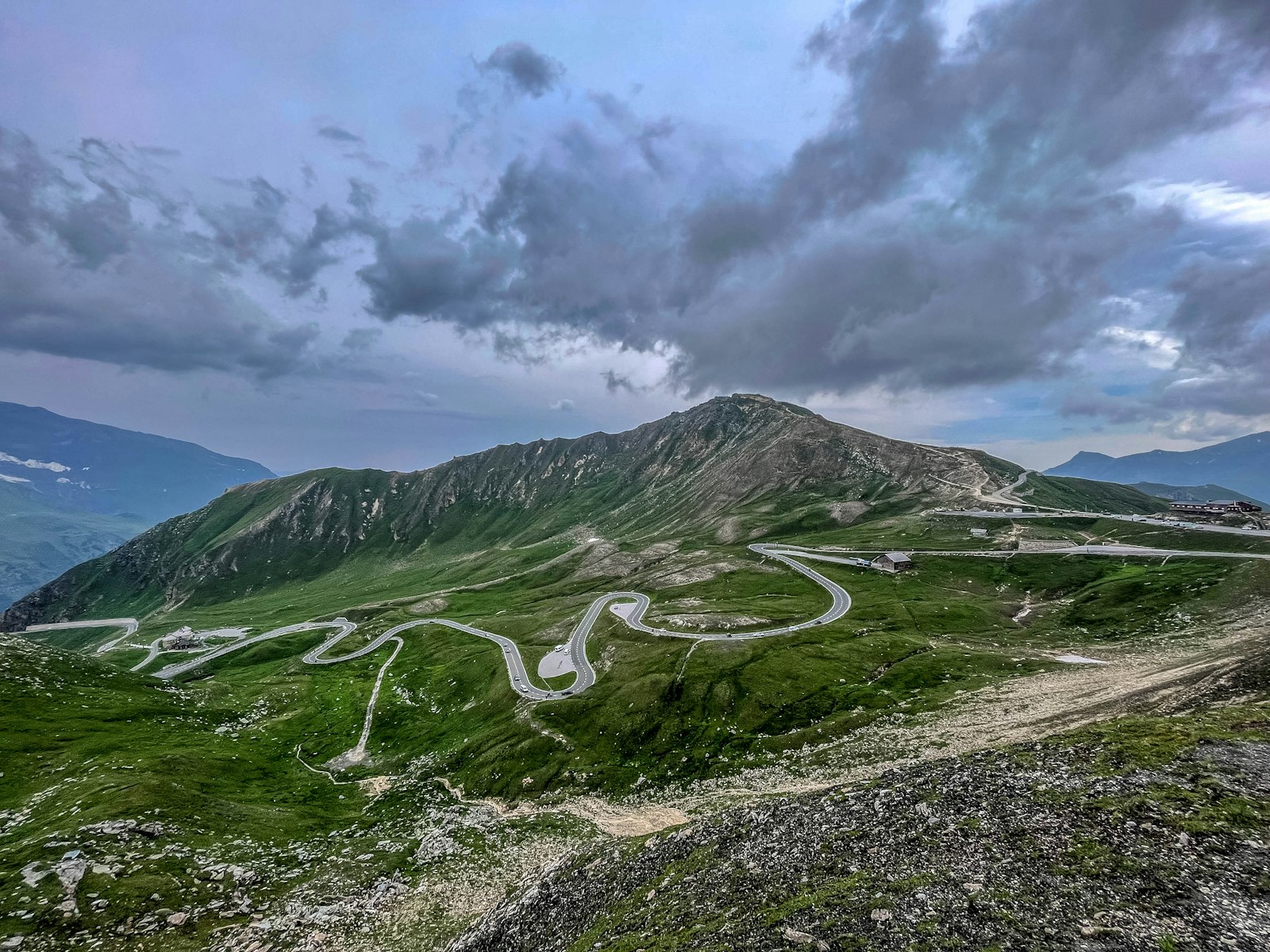
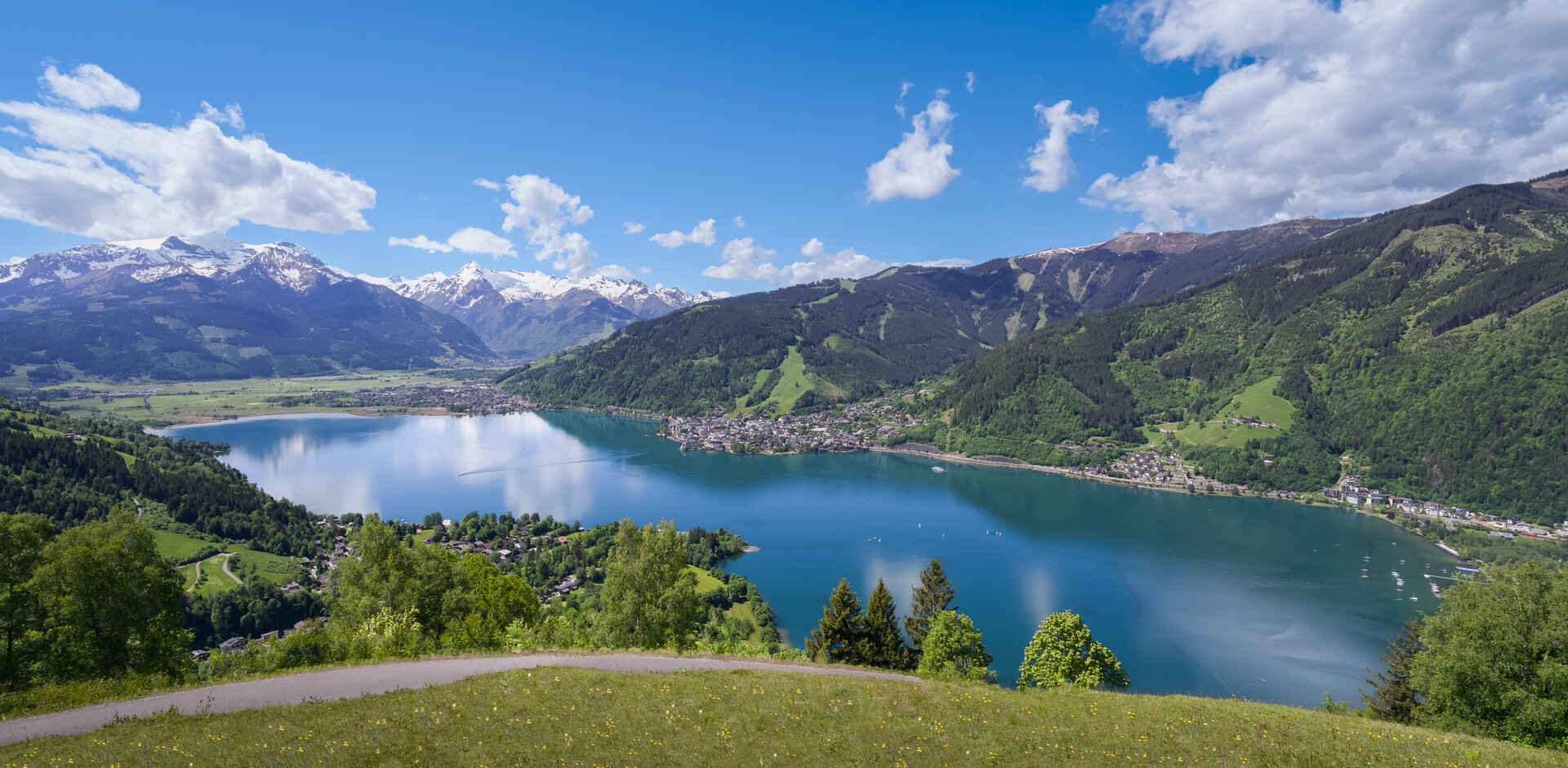
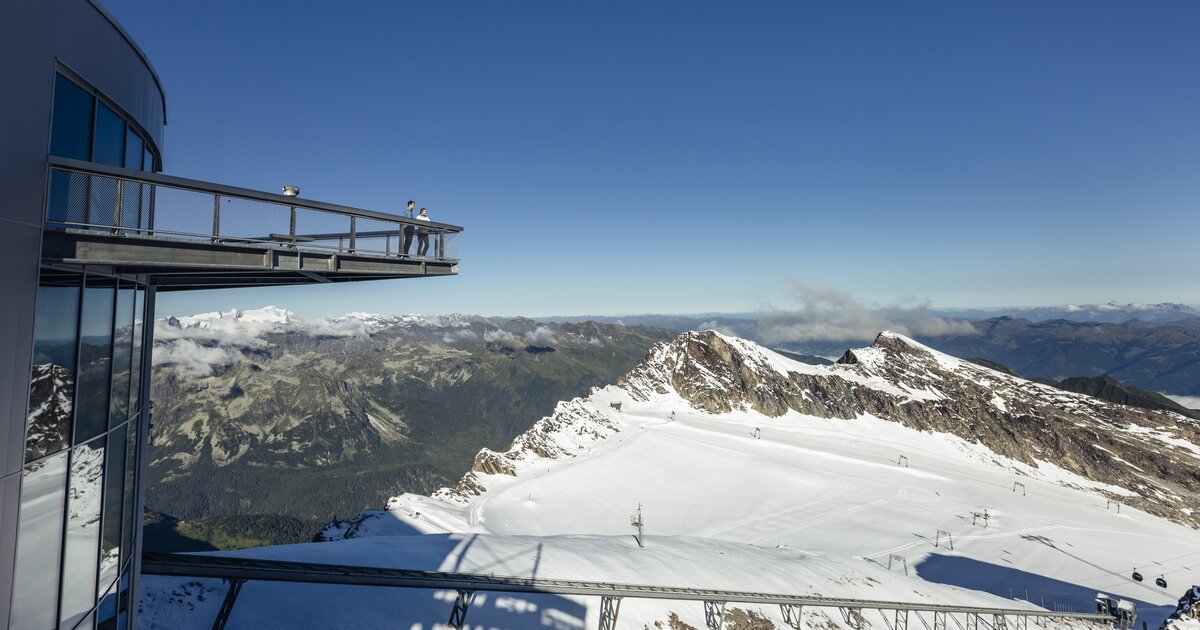
The weather in Zell am See-Kaprun cannot be described with a single figure, because the region spans more than 2,200 metres of altitude. The village itself lies at 750 metres by the lake, the Schmittenhöhe at just under 2,000 metres, and the Kitzsteinhorn reaches 3,029 metres. That spread explains almost everything: why April brings spring below and skiing above, why the region works even in low-snow winters, and why in August you can stand in snow in the morning and swim in the lake in the afternoon.
Temperatures through the year
The following are long-term averages for the valley floor at about 750 metres. Individual years deviate considerably, but as a planning basis they are dependable.
- January: daytime around freezing, nights minus 8 to minus 10. The coldest month, see January in detail.
- February: slightly above zero by day, around minus 7 at night, noticeably more light, see February.
- March: around 8 degrees by day, spring in the valley and winter above, see March.
- April: around 13 degrees, highly changeable, see April.
- May: around 18 degrees, green and wet, see May.
- June: around 21 degrees, the longest days of the year, see June.
- July: around 23 degrees, the warmest month, thundery, see July.
- August: around 22 degrees, the warmest lake, see August.
- September: around 18 degrees, the most settled fine spells, see September.
- October: around 13 degrees, clear air and autumn colour, see October.
- November: around 6 degrees, shoulder season, see November.
- December: around 2 degrees, Advent and the season start, see December.
The altitude rule
As a rule of thumb, air temperature falls by about 0.6 degrees per 100 metres of altitude. Between the lakeshore and the summit of the Kitzsteinhorn that is roughly 14 degrees, plus wind chill. In practice: if it is 25 degrees in the village, you still need a warm jacket up top. Day visitors underestimate this regularly.
Water temperature of Lake Zell
Lake Zell is comparatively shallow and sheltered from wind, so it warms better than many other Alpine lakes. From June it often sits at 18 to 20 degrees, in July around 22, in August up to about 23, and in early September still around 18. A detailed breakdown is in water temperature and swimming month by month, and the bathing spots are in lidos.
Snow and snow reliability
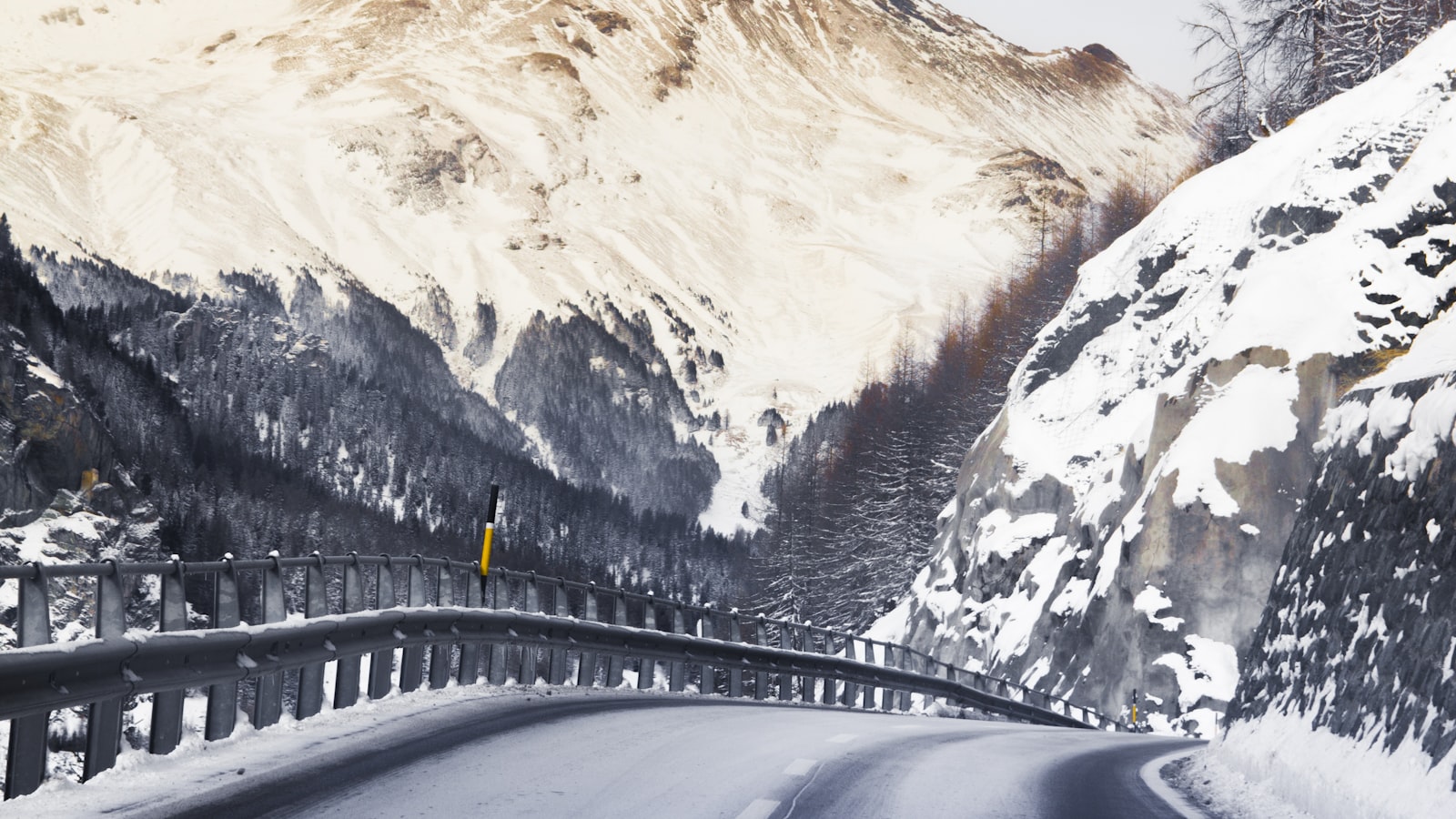
The region’s snow reliability rests on altitude, not on the valley. On the Kitzsteinhorn the ski season begins as early as autumn and lasts well into spring, because the glacier lies above 3,000 metres. The village itself can be green at the start and end of the season. If you depend on reliable snow, plan for January to March and orient yourself by altitude, see glacier skiing on the Kitzsteinhorn.
The summer thunderstorm rule
From June to August, storms frequently build over the Hohe Tauern on warm days from early afternoon. On an exposed ridge that is a safety issue, not a comfort one. The rule for mountain tours is therefore: start early, be at the highest point by midday, descend or be in the valley in the afternoon. If the weather turns, the bad weather programme helps.
Best time to visit by type of trip
- Ski holiday: February for the best conditions, March for the best combination of snow, sun and price.
- Hiking: September for settled weather and empty trails, June for greenery and long days.
- Swimming holiday: July and August, when the lake reaches its warmest.
- Families: July and August for water and programme, February for winter.
- Quiet and budget: May, June, October and the first half of December.
- Photography: October for colour and long views, May for water and greenery.
If you are still undecided, the seasonal guides to summer and winter give the right framing, and the regional travel guide the overall picture.
Frequently Asked Questions
When is the best time to visit Zell am See?
It depends on your goal. For a ski holiday, February and March are best, with March offering more sun and lower prices. For hiking, June and September are ideal. For a swimming holiday, July and August. If you want quiet and low prices, travel in May, June or October.
How warm does Lake Zell get?
In high summer it often reaches 22 to 23 degrees, making it one of the warmer Alpine lakes. Swimming is comfortable for most people from June, the warmest readings come in August, and the lake is still usable in early September.
Is Zell am See snow-reliable?
At altitude, yes. The Kitzsteinhorn is a glacier ski area up to 3,029 metres and holds snow even in weak winters. In the valley at 750 metres snow is not guaranteed, particularly at the start and end of the season.
Why are afternoon thunderstorms an issue in summer?
On warm summer days, storms frequently build over the Hohe Tauern from early afternoon. For mountain tours the rule is therefore: start early, be at the highest point by midday and descend in the afternoon.
How much colder is it on the mountain?
As a rule of thumb, temperature falls by about 0.6 degrees per 100 metres of altitude. Between Zell am See at 750 metres and the summit of the Kitzsteinhorn at 3,029 metres that works out at roughly 14 degrees, plus wind chill.