Key facts at a glance
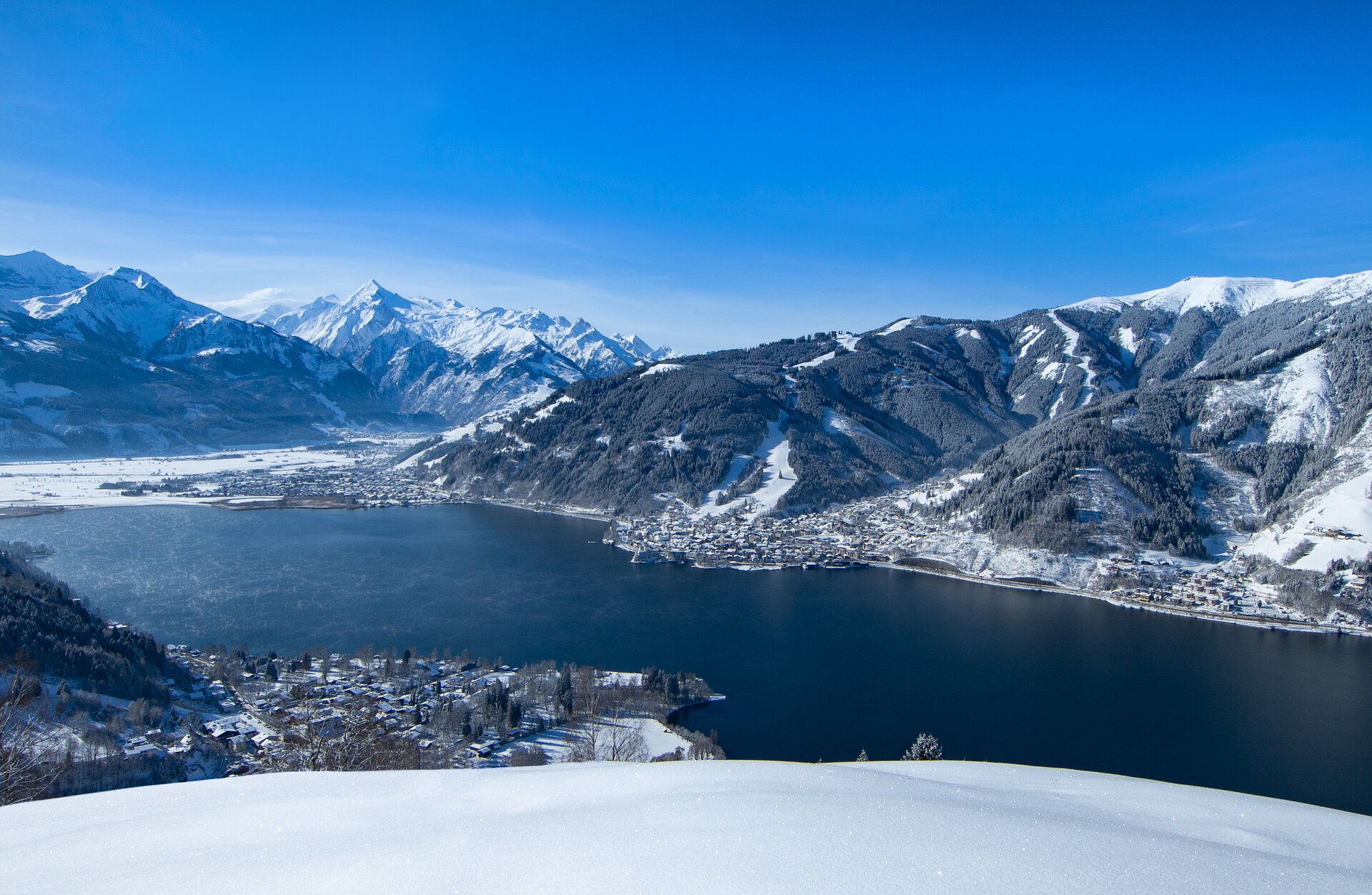
January is the coldest and most snow-reliable month in the region. All three ski mountains run at full capacity, from the Kitzsteinhorn glacier to the Schmittenhöhe and Maiskogel. The window between the end of the Christmas holidays and the start of the February half-term is the quietest and cheapest stretch of the entire winter. If you can handle the cold and care more about snow than sunshine, January gives you the best value of the season.
January is the month when winter in Zell am See-Kaprun delivers most reliably. Cold, snow-sure, every mountain running. It is also the month with the largest price swings within just a few weeks: between the Christmas holidays and the February half-term breaks there is a window where the same accommodation costs considerably less than it did a fortnight earlier. If you have any flexibility, January offers the best deal of the whole winter.
Weather and snow conditions in January
On a long-term average, daytime highs in the valley hover around freezing, with nights of minus 8 to minus 10 degrees. That sounds harsh, but in dry Alpine air with sunshine it feels far more pleasant than the same reading in damp lowlands. Altitude is what matters: while Zell am See at 750 metres can thaw from time to time, the Schmittenhöhe at just under 2,000 metres and the Kitzsteinhorn up to 3,029 metres stay firmly in winter.
This altitude spread is the real reason the region works even in low-snow winters. The glacier on the Kitzsteinhorn is the insurance policy: when nothing lies in the valley, there is still skiing up top. More on that in the guide to glacier skiing.
Skiing at full capacity
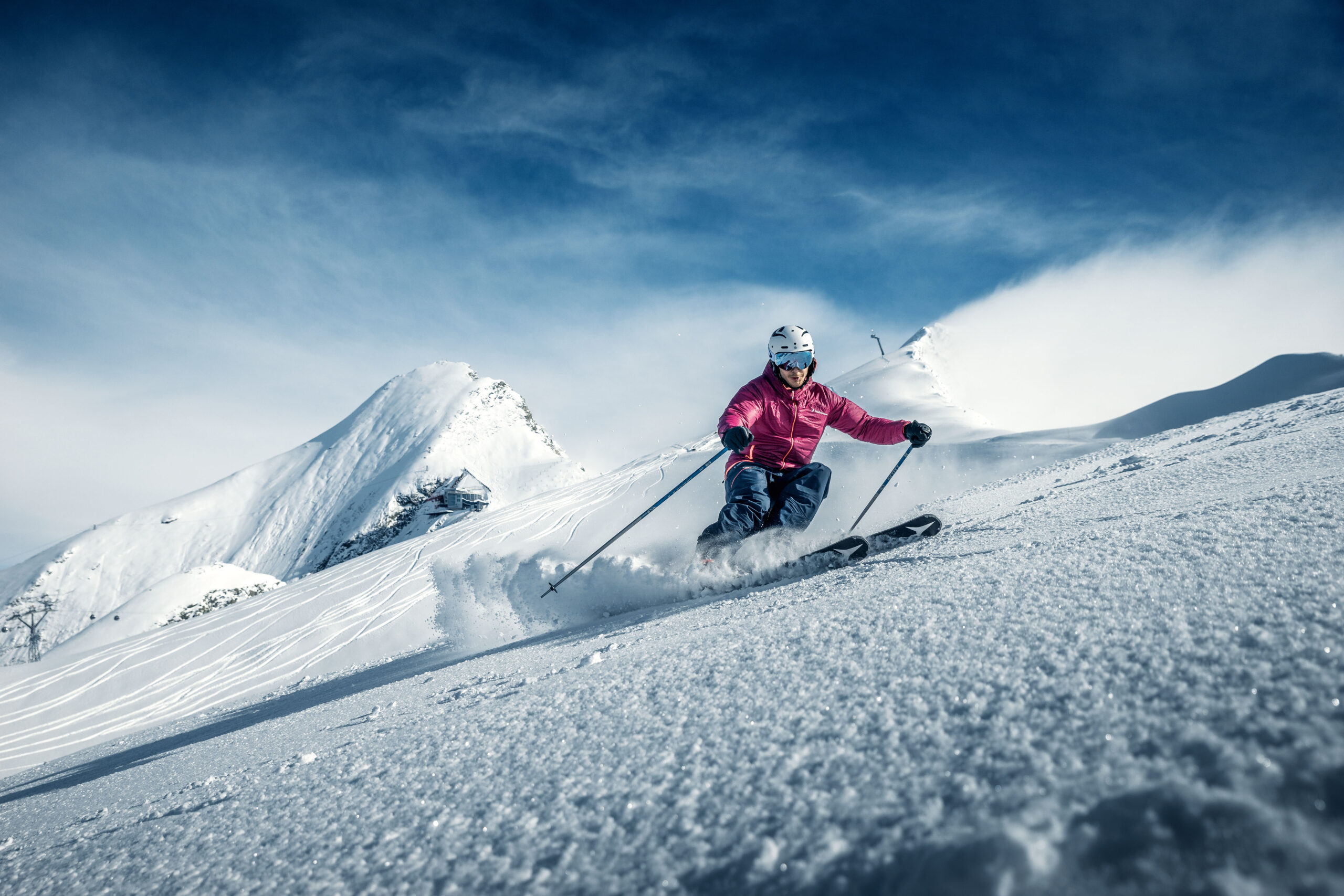
In January all three of the region’s mountains run in parallel: the Schmittenhöhe directly above Zell am See, the Maiskogel as the family and beginner mountain in Kaprun, and the Kitzsteinhorn as a high-alpine glacier ski area. The Maiskogel and Kitzsteinhorn are joined by the 3K K-onnection, so you can travel from the centre of Kaprun right up to the glacier without a car.
If you want to ski both sides, look into the pass options in advance. The Ski ALPIN CARD covers Saalbach Hinterglemm Leogang Fieberbrunn alongside Zell am See-Kaprun and pays off from a certain length of stay. For how the pricing works, see ski pass prices, and for the character of the slopes the regional ski guide.
Crowds and prices: the January rule
January splits into three phases. Until around 6 January the Christmas holidays are winding down: busy and expensive. Then comes the quietest phase of deep winter, with noticeably lower prices and slopes that are often almost empty on weekday mornings. Towards the end of the month the first half-term breaks from various countries begin and it fills up again.
If you have a free choice, book the middle phase. That is not an insider tip, simply the structure of the European school calendar. More ways to save in the guide to visiting Zell am See-Kaprun on a budget.
What runs in January besides skiing
- Winter walking and tobogganing: groomed winter paths and toboggan runs operate all month given adequate snow. Ideas in the guide to winter without skiing.
- Cross-country skiing: the trails on the valley floor and in the side valleys are usually in their best condition in January, see cross-country skiing.
- TAUERN SPA Kaprun: the large thermal and sauna complex is the region’s most dependable bad-weather plan, see TAUERN SPA.
- Gipfelwelt 3000: the viewing platform, national park gallery and tunnel on the Kitzsteinhorn all work without skis on your feet, see Gipfelwelt 3000.
- Porsche ice race: the historic ice race on the frozen lake is a fixture of the winter calendar, see the Porsche ice race.
Getting here in deep winter
In January the journey is the most underestimated part of the trip. Winter tyre requirements, snow chains in the boot and realistic driving times all belong in the plan. The Grossglockner High Alpine Road is closed in winter, so the approach runs on valley and trunk roads. Everything on tolls and the vignette is covered in the vignette and toll guide.
If you would rather avoid winter driving, the train is comfortable: Zell am See sits directly on the Salzburg-Tyrol line, see travelling by train. Once here a car is usually dispensable in winter, with the arguments set out in do you need a car in Zell am See. If you do drive, learn the parking zones first, see parking in Zell am See.
Who January suits
January is the month for people who value snow quality over hours of sunshine. Skiers, snowboarders, cross-country skiers and winter walkers get the most dependable conditions of the year, and in the middle third of the month at the best prices. If, on the other hand, you want long afternoons on a sun terrace, are travelling with pre-school children or cope badly with cold, you will do better in the later winter around March. Days are short in January, with darkness falling around 16:30, and that limits the outdoor programme noticeably.
Frequently Asked Questions
How cold does it get in Zell am See in January?
In the valley, daytime highs sit around freezing on a long-term average, with nights of minus 8 to minus 10 degrees Celsius. On the Kitzsteinhorn above 3,000 metres it is considerably colder, where double-digit sub-zero temperatures and wind are the rule rather than the exception. Pack warm layers, gloves and face protection.
Is snow guaranteed in January?
Nothing is ever guaranteed, but January is statistically the most snow-reliable month here. The altitude is the insurance policy: the Kitzsteinhorn reaches 3,029 metres and holds snow even in weak winters. The valley itself may well look green while conditions higher up are excellent.
When is January cheapest?
The window between the end of the Christmas holidays and the start of the February half-term breaks is traditionally the quietest and cheapest phase of deep winter. Accommodation is noticeably cheaper and the slopes are often near-empty on weekday mornings.
Is Zell am See worth visiting in January without skiing?
Yes, with one caveat. Winter walking, tobogganing, cross-country skiing, the TAUERN SPA and the Gipfelwelt 3000 all work independently of skiing. But the short days and the cold restrict outdoor plans more than they would in March.