Key facts at a glance
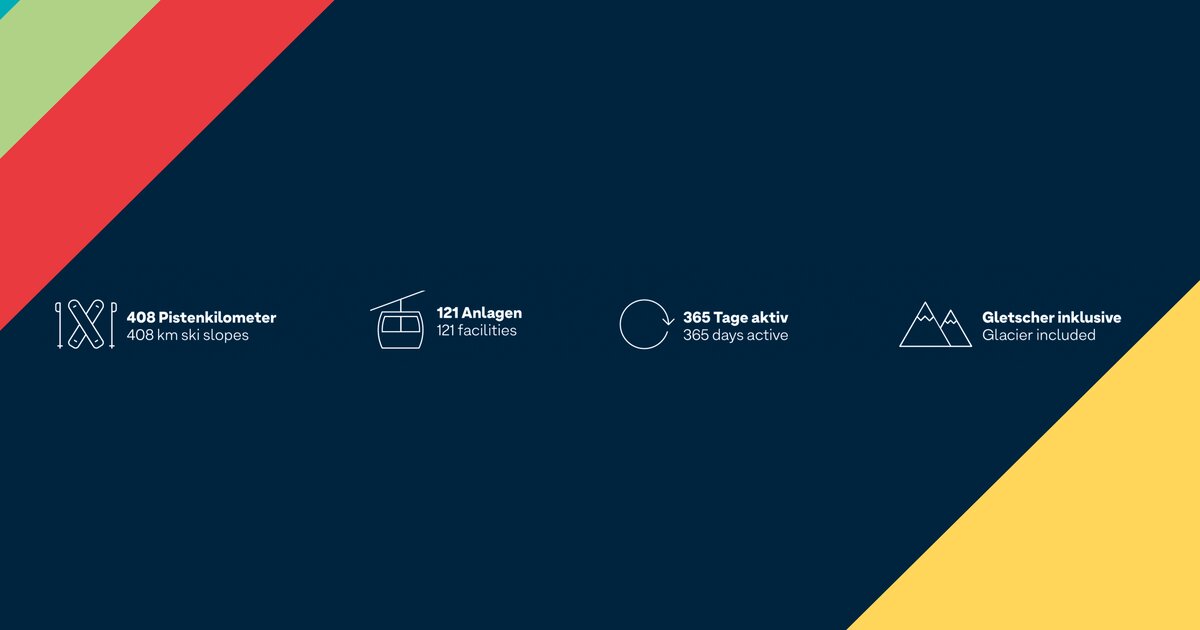
The Ski ALPIN CARD is the combined pass across the Skicircus Saalbach Hinterglemm Leogang Fieberbrunn, the Schmittenhöhe and the Kitzsteinhorn with the Maiskogel: around 408 piste kilometres and more than 120 lifts, available from two consecutive ski days – there is no day ticket. Only around 130 of those kilometres lie locally in Zell am See-Kaprun; the Skicircus is roughly 30 to 40 minutes away by car and not reachable on skis. In practice the card pays off from about four to six ski days, and only if you are mobile. For weekend trips and families with small children a single-area pass is almost always cheaper.
The Ski ALPIN CARD is the combined ski pass across three areas: the Skicircus Saalbach Hinterglemm Leogang Fieberbrunn, the Schmittenhöhe in Zell am See, and the Kitzsteinhorn glacier area with the Maiskogel in Kaprun. Together that comes to around 408 piste kilometres and more than 120 lifts on one card. This article explains what it covers – and who it actually pays off for, because those are two different questions.
Three ski areas, one card
Zell am See-Kaprun is not a single ski area but a partnership of independent lift companies, each with its own tariffs. The Ski ALPIN CARD sits on top of that as a combined pass and saves you buying a separate ticket for each mountain.
The geography is what matters here: the Schmittenhöhe and the Kitzsteinhorn are close together and connected within minutes by ski bus or car. The Skicircus, however, lies in the Glemmtal, roughly 30 to 40 minutes away by car, and is not reachable on skis. If you want to go there, plan a separate day for it.
Skicircus Saalbach Hinterglemm Leogang Fieberbrunn
The Skicircus is one of Austria’s largest connected ski areas and accounts for by far the greatest share of those 408 piste kilometres. Broad carving pistes, long valley runs and a pronounced après-ski scene make it the target for anyone wanting to cover a lot of ground in a day.
For guests staying in Zell am See or Kaprun, though, it is an excursion, not a home mountain. Factor in the drive, parking and the return – a Skicircus day is a long day. Without a car, or without the willingness to take the ski bus, this part of the card simply goes unused.
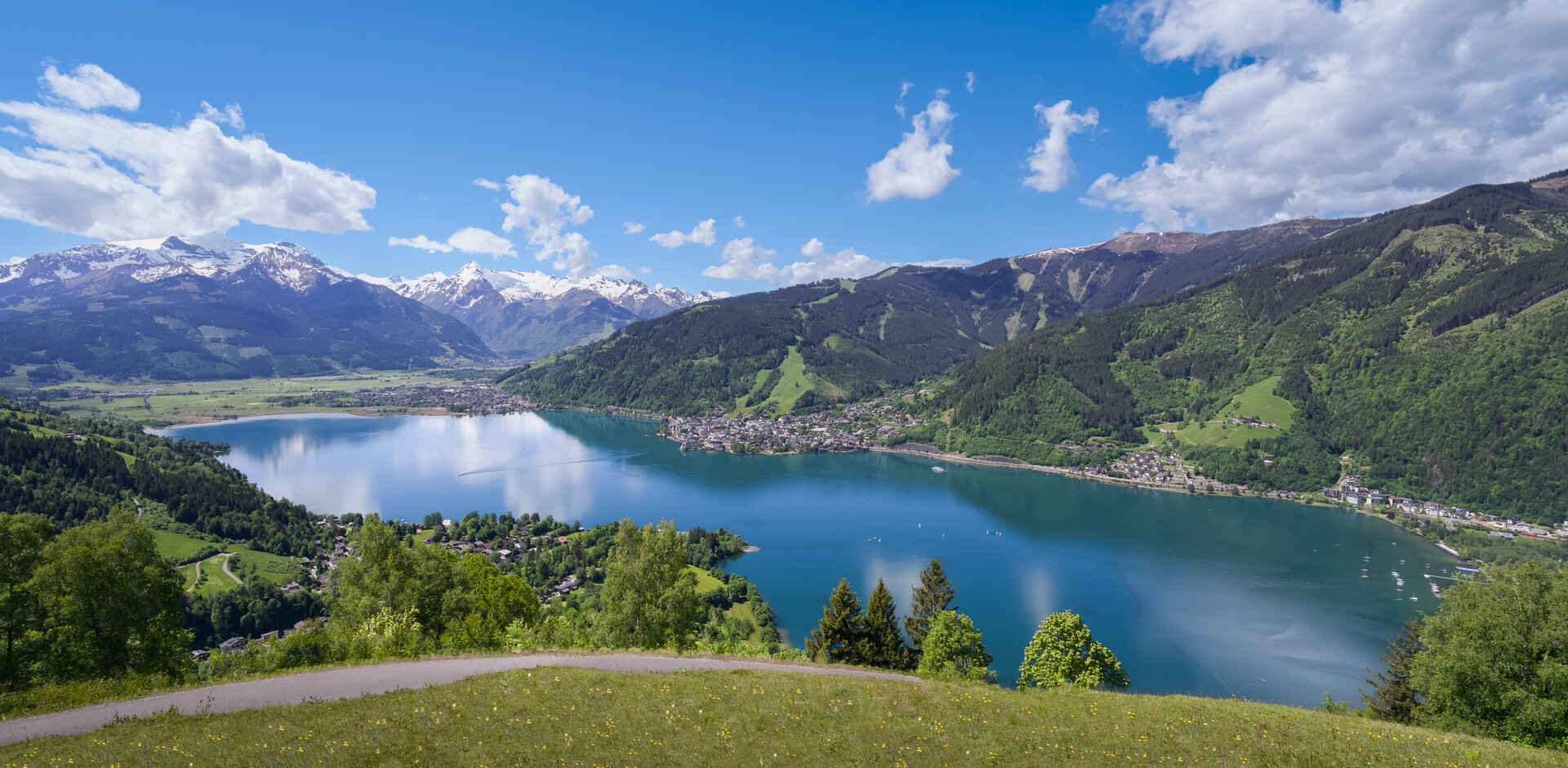
Schmittenhöhe: skiing with a lake view
The Schmittenhöhe is Zell am See’s home mountain: around 1,965 metres high, roughly 77 piste kilometres, tree-lined descents and the Trass panorama with more than 30 three-thousanders. Everything from gentle family slopes to a demanding black is represented.
Its practical advantage: the valley run ends within walking distance of town. If you arrive without a car and stay in Zell am See, this is the shortest route from breakfast to the piste.
Kitzsteinhorn: snow reliability on the glacier
The Kitzsteinhorn is the only glacier ski area in the SalzburgerLand. Operation usually begins in October and runs into spring, sometimes into early summer; the summit area lies at 3,029 metres. It is complemented by the Maiskogel, Kaprun’s family mountain, connected directly to the glacier by the 3K K-onnection.
The Kitzsteinhorn is the insurance policy within the pass: when fog sits in the valley or snow is still short early in the winter, you can still ski up here. Details are in the piste and glacier guide for Kaprun.
Facts and figures
| Areas | Skicircus, Schmittenhöhe, Kitzsteinhorn & Maiskogel |
| Piste kilometres | around 408 across the network – of which roughly 130 locally in Zell am See-Kaprun |
| Lifts | more than 120 |
| Smallest unit | 2 consecutive ski days – there is no day ticket |
| Distance to the Skicircus | roughly 30 to 40 minutes by car, no ski connection |
We deliberately do not quote binding prices here: the tariffs are dynamic and change with purchase date and season. How that logic works is explained in ski pass prices explained; only the lift companies’ own figures are binding.
Validity and purchase
The Ski ALPIN CARD is available from two consecutive ski days and can be bought at the ticket offices of all three areas or online. Switching between areas costs no surcharge.
- The pass runs on a keycard that stays contactless in your jacket pocket. A deposit is charged for the card and refunded on return.
- If you come often, keep the keycard and top it up online next time – that skips the ticket office entirely.
- Carry only one keycard per pocket. Two cards next to each other interfere at the turnstile – the most common reason the gate does not open.
- Advance purchase is usually cheaper than buying at the lift ticket office on the morning itself.
Winter and summer in the region
The Ski ALPIN CARD is a purely winter product, but skiing here does not end with spring: on the Kitzsteinhorn the season continues on spring snow, and the glacier stays open into early summer – with long days and far fewer people than in the holiday weeks.
What else the region offers in winter is in our overview Zell am See in winter – and for anyone not on skis at all, under winter without skiing.
Is the Ski ALPIN CARD worth it for you?
The honest answer: for most guests, no. The surcharge over a single-area pass is modest, but it only pays off if you actually ski it out.
| Your situation | Recommendation |
|---|---|
| Weekend, two to three ski days | single-area pass |
| Family with smaller children | single-area pass – you will hardly leave the home mountain |
| Arrived without a car | single-area pass – the Skicircus share is forfeited |
| Full week, mobile, changeable weather | Ski ALPIN CARD |
| You want to cover as many kilometres as possible | Ski ALPIN CARD |
Rule of thumb: from about four to six ski days the combined pass becomes interesting – above all because it gives you alternatives in poor weather. With fog in the valley you head for the glacier; with a storm on the glacier you head for the Glemmtal. That flexibility is the card’s real value, not the kilometre figure on the brochure.
Switching between the areas
The Schmittenhöhe and Kitzsteinhorn are close together; between Zell am See and Kaprun you need roughly 15 to 20 minutes depending on traffic, and correspondingly longer by ski bus. Switching mid-day is possible but realistically costs an hour – better to plan whole days per mountain.
For the Skicircus that applies even more strongly: it is a day trip with a drive, not a quick detour. If you want to use the card well, match the areas to the weather – glacier in high fog, the Schmitten for fresh snow in the trees, the Skicircus on a settled fine day with an early start.
Frequently Asked Questions
What is included in the Ski ALPIN CARD?
Three areas on one card: the Skicircus Saalbach Hinterglemm Leogang Fieberbrunn, the Schmittenhöhe in Zell am See, and the Kitzsteinhorn with the Maiskogel in Kaprun. Together that is around 408 piste kilometres and more than 120 lifts. Switching between the areas costs no surcharge.
Is the Ski ALPIN CARD available as a day ticket?
No. The card is only available from two consecutive ski days. For a single ski day you buy a ticket for the individual area – so either the Schmittenhöhe or the Kitzsteinhorn.
Is the Ski ALPIN CARD worth it?
For most guests, no. In practice it pays off from about four to six ski days, and only if you are mobile. Without a car or the willingness to take the ski bus, the Skicircus share goes unused. For a weekend, or for families with smaller children, a single-area pass is almost always the better deal.
Can you ski from the Skicircus to Zell am See?
Not on skis. The Skicircus lies in the Glemmtal, roughly 30 to 40 minutes away by car, and is reachable by car or ski bus. Plan a whole day for it – switching mid ski day realistically costs an hour.
How many of the 408 piste kilometres are in Zell am See-Kaprun?
Around 130. By far the largest share of the 408 kilometres falls to the Skicircus in the Glemmtal. If you do not leave the region you therefore ski considerably less than the headline figure suggests – which is the most common reason the card does not pay off.