Key facts at a glance
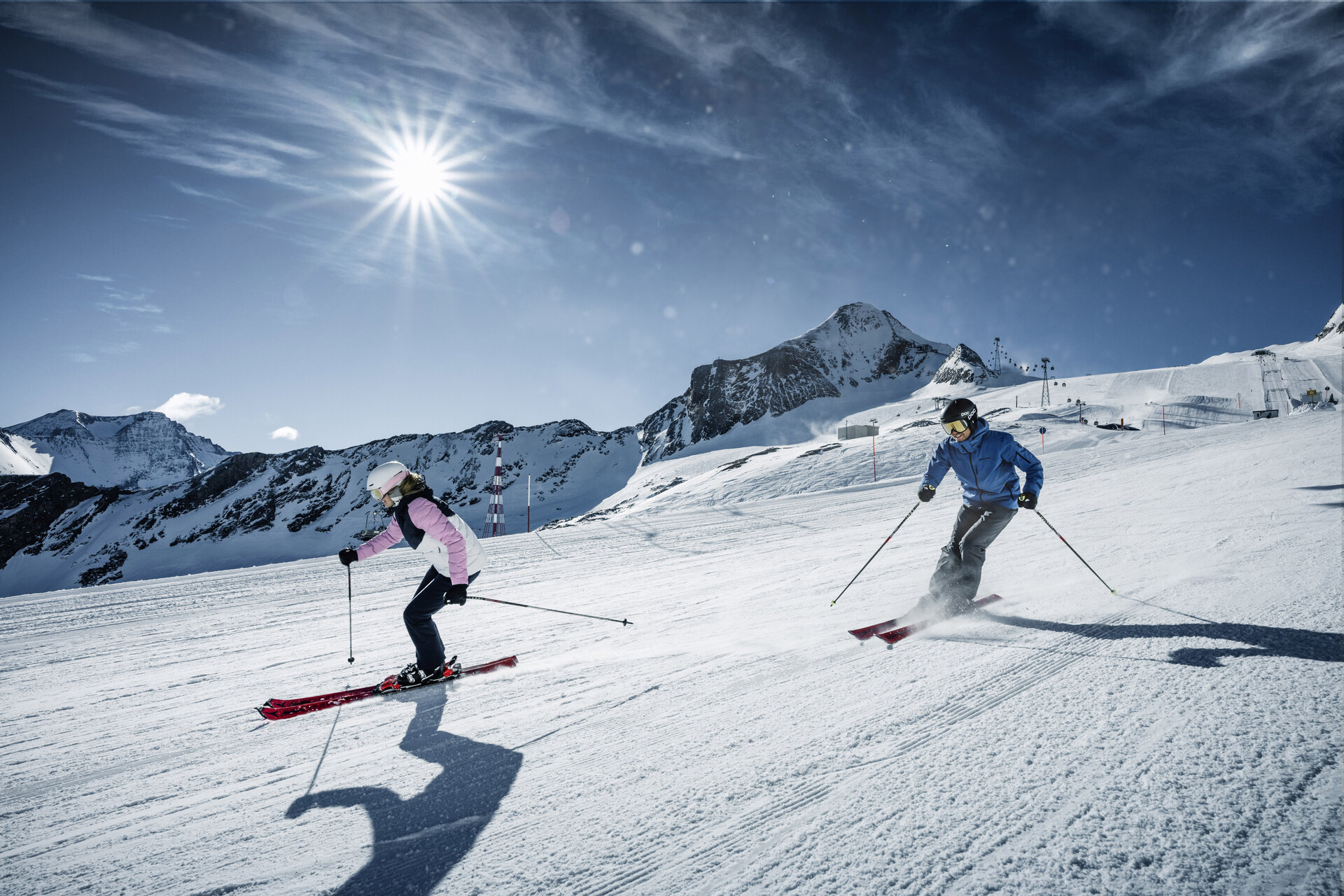
Zell am See-Kaprun has two very different ski mountains: the Kitzsteinhorn glacier area above Kaprun (summit area 3,029 m, usually running from October into May) and the Schmittenhöhe above Zell am See (around 1,965 m, roughly 77 piste kilometres, valley run into town). Locally you ski around 130 piste kilometres; the frequently quoted 408 apply only with the Ski ALPIN CARD including the Skicircus in the Glemmtal. Beginners learn better on the Maiskogel or the Schmitten than on the glacier.
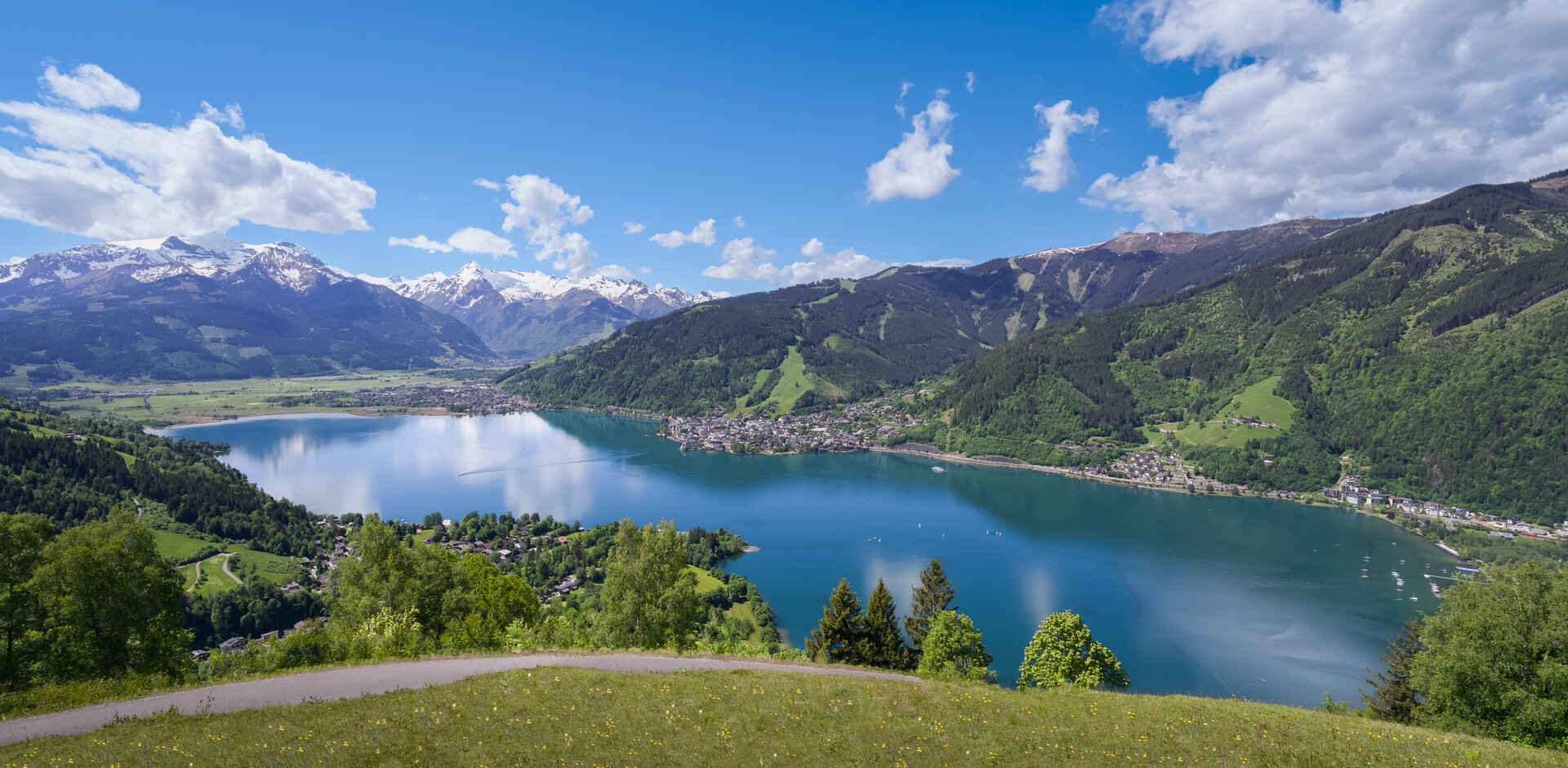
Zell am See-Kaprun is not a single linked ski circus but a partnership of independent lift companies. That sounds like a technicality, but it is the most important point for your planning: the Kitzsteinhorn above Kaprun is a high alpine glacier ski area, the Schmittenhöhe above Zell am See a wooded home mountain with a lake view – and the Ski ALPIN CARD connects both with the Skicircus in the Glemmtal. Locally you ski around 130 piste kilometres; with the combined pass, roughly 408.
Kitzsteinhorn: skiing on the glacier
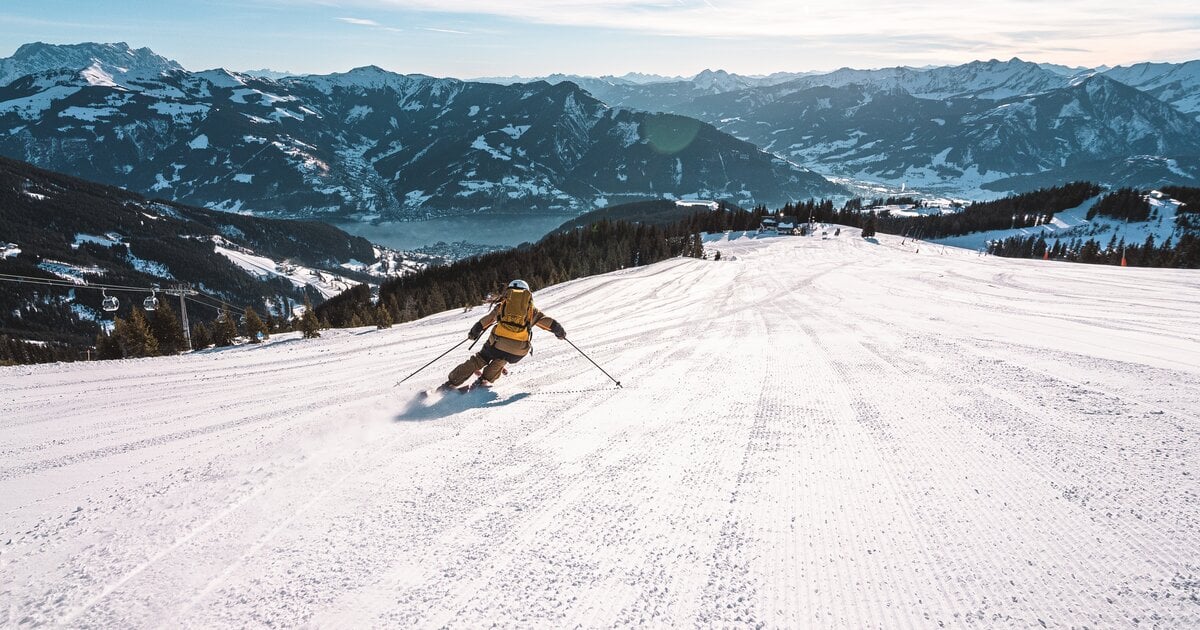
The Kitzsteinhorn is the only glacier ski area in the SalzburgerLand and therefore the most snow-sure in the region. Operation usually starts in October and runs through spring into May – at a time when the valley pistes have long since turned green.
- Altitude: summit area at 3,029 metres, with views across the Hohe Tauern and more than 30 three-thousanders.
- For beginners: wide, gentle nursery slopes around the Alpincenter, with guaranteed snow.
- For advanced skiers: long, even glacier descents plus marked freeride terrain.
- Maiskogel: Kaprun’s family mountain, with a valley run of roughly five kilometres into the village centre.
Since the 3K K-onnection was built the glacier is reachable directly from the centre of Kaprun – without a car and without a ski depot. Full details are in the piste and glacier guide for Kaprun and in our article on the Kitzsteinhorn.
Schmittenhöhe: family mountain with a lake view
The Schmittenhöhe is Zell am See’s home mountain and the counterpoint to the high alpine terrain. At around 1,965 metres it sits well below the glacier, but it offers exactly what the Kitzsteinhorn lacks: forest, varied terrain and valley runs into town.
Around 77 piste kilometres cover every level – from broad cruising runs and family slopes to a demanding black. For anyone arriving without a car the Schmitten is the more practical mountain: the valley run ends within walking distance of town, and the ski bus links the station with the base stations.
Ski ALPIN CARD: access to the Skicircus
The Ski ALPIN CARD adds the Skicircus Saalbach Hinterglemm Leogang Fieberbrunn – one of Austria’s largest connected ski areas, roughly 30 to 40 minutes away by car in the Glemmtal. Together the three areas come to around 408 piste kilometres and more than 120 lifts on one ticket.
Important for expectations: that figure is the total of the network, not the local offering. And it is only worth something if you actually travel to the Glemmtal. Bear in mind, though, that from 27 November to 4 April you cannot buy a ski pass for the Kitzsteinhorn or the Schmittenhöhe alone: every winter day or multi-day ticket for the two mountains is a Ski ALPIN CARD, so the Skicircus is part of the deal even on a short stay. It earns its keep from about four to six ski days if you have a car or take the bus. Families with small children and first-timers are the exception – the Maiskogel has its own, clearly cheaper day ticket from 5 December. Current day-ticket prices are in the box below; the tariff logic is explained under ski pass prices explained.
For beginners and families
Both mountains suit beginners, but not equally. The honest advice: learn low down, not high up.
- The Maiskogel and the valley nursery lifts offer flat, safe terrain – far pleasanter for learning than the glacier, where altitude, wind and cold make a first ski day needlessly hard.
- On the Schmittenhöhe, short distances, forest as wind protection and the proximity to town speak for families with smaller children.
- The regional ski schools run group and private lessons; during holiday weeks courses are often booked out weeks ahead.
Equipment is available in both villages and at the base stations – see our ski rental overview. Depots at the lift save carrying gear every day, which with children is the difference between a good ski day and an exhausting one.
Slopes, lifts and infrastructure
Both ski areas are modernly developed, with high-capacity gondolas and comprehensive snowmaking. For orientation on the mountain the piste map helps; how much snow is actually lying is in the snow report.
- Snowpark Kitzsteinhorn: one of the highest and longest-open snowparks in the Alps, with graded lines from an easy area upwards.
- Freeride terrain: marked but unsecured routes on the glacier. A transceiver, shovel and probe are a prerequisite there, not a recommendation – crevasses exist even under a closed snow cover.
- Ski pass: runs on a keycard that stays contactless in your pocket. Carry only one card per pocket or the turnstile will not open.
The region in summer
Unlike most ski regions, skiing here does not end with spring. On the Kitzsteinhorn the season continues on spring snow, and the glacier stays open into May – with long days, softer snow in the afternoon and far fewer people than in February.
After that the summer programme takes over: the lifts keep running for hikers and mountain bikers, and the summit area remains accessible year-round. What the region offers in winter away from the pistes is in our overview Zell am See in winter.
Which ski area suits you?
| If you … | … then |
|---|---|
| ski in October, November or May | Kitzsteinhorn – nothing else is running |
| are on skis for the first time | Maiskogel or Schmittenhöhe |
| arrive without a car | Schmittenhöhe, valley run into town |
| are after altitude, spring snow and long views | Kitzsteinhorn |
| want a view when the valley is under fog | Kitzsteinhorn, above the inversion |
| stay only two or three days | Ski ALPIN CARD for just those days – winter has no single-mountain pass |
Getting there and the ski bus
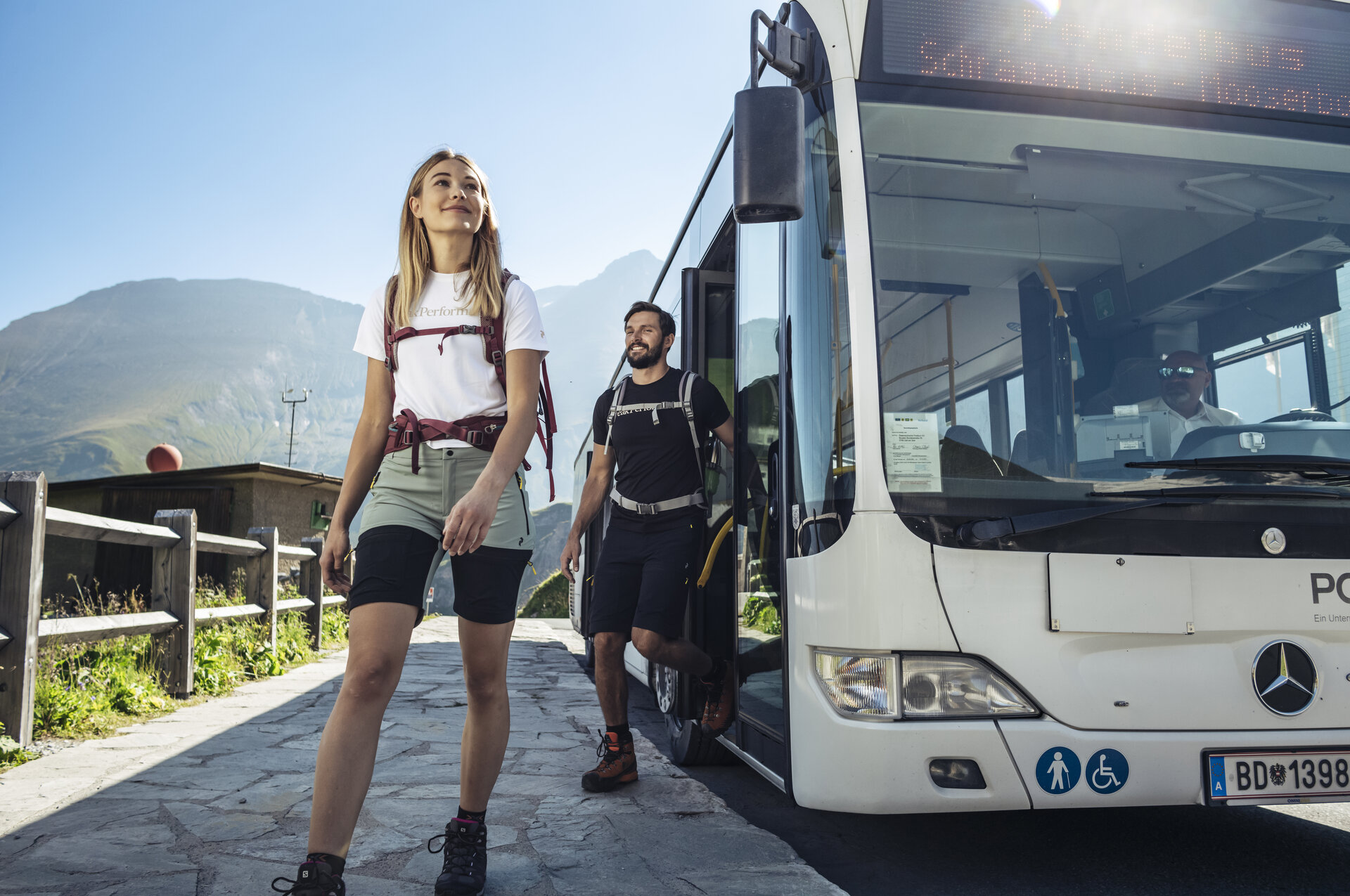
Zell am See is on the railway line and is one of the few larger Austrian ski areas reachable entirely without a car. From the station the ski bus takes you to the base stations; with a valid ski pass it is normally usable at no extra cost.
By car, parking is the decisive question. On fine weekends and during the holiday weeks the areas at the base stations are full by late morning. Arrive before nine and you save the search; arrive later and you are often better off parking in the village and taking the ski bus. Between Zell am See and Kaprun allow roughly 15 to 20 minutes depending on traffic.
Frequently Asked Questions
Which ski areas are there in Zell am See-Kaprun?
Two: the Kitzsteinhorn with the Maiskogel above Kaprun – the only glacier ski area in the SalzburgerLand – and the Schmittenhöhe above Zell am See. Both are independent lift companies with their own tariffs. The Ski ALPIN CARD combines them with the Skicircus Saalbach Hinterglemm Leogang Fieberbrunn into one network.
How many piste kilometres does the region really have?
Around 130 locally, across the Schmittenhöhe, Kitzsteinhorn and Maiskogel. The often quoted 408 kilometres are the total of the whole Ski ALPIN CARD network including the Skicircus in the Glemmtal, which is roughly 30 to 40 minutes away by car and not reachable on skis.
Which ski area is better for beginners?
The Maiskogel above Kaprun and the valley nursery lifts, or alternatively the Schmittenhöhe. Both offer flat, safe terrain. The glacier is less suitable for learning because altitude, wind and cold make a first ski day needlessly demanding – even though there is more snow up there.
When do the ski areas in Zell am See-Kaprun open?
The Kitzsteinhorn usually starts in October and runs through spring into May. The Schmittenhöhe and the valley runs normally join in December, depending on cold and snowmaking. So in October and November you ski on the glacier alone.
Can you reach the ski areas without a car?
Yes. Zell am See is on the railway line, and the ski bus connects the station with the base stations – normally at no extra cost with a valid ski pass. Without a car the Schmittenhöhe is the most practical, because its valley run ends within walking distance of town.