
Key facts at a glance
The Kitzsteinhorn (3,029 m, from Kaprun) means glacier, high mountains and snow into early summer, but it costs a whole day. The Schmittenhöhe (just under 2,000 m, directly above Zell am See) offers a lake view, alpine pastures, walking paths and more piste kilometres with a short journey. Rule of thumb: clear, windless weather and an appetite for altitude means the Kitzsteinhorn; changeable, windy, with small children or little time means the Schmittenhöhe.
In short: if you want high mountains, a glacier and dependable snow, head for the Kitzsteinhorn (top station 3,029 m) via Kaprun. If you want a view over Lake Zell, alpine pastures, more piste kilometres and a short journey, take the Schmittenhöhe (just under 2,000 m) directly above Zell am See. If you only have one day or one lift ticket, this rule of thumb helps: clear, windless weather and an appetite for altitude means the Kitzsteinhorn. Changeable, windy, with small children or little time means the Schmittenhöhe.
The basic difference in three lines
Both mountains belong to the same region and are marketed as equals by tourism advertising. In practice they are two completely different excursions.
- Kitzsteinhorn: a glacier mountain in the Hohe Tauern National Park, base station near Kaprun, top station at 3,029 m. High mountains with snow into early summer, the Gipfelwelt 3000 with its national park tunnel and viewing platform, and a view as far as the Grossglockner. Cold, bare, spectacular.
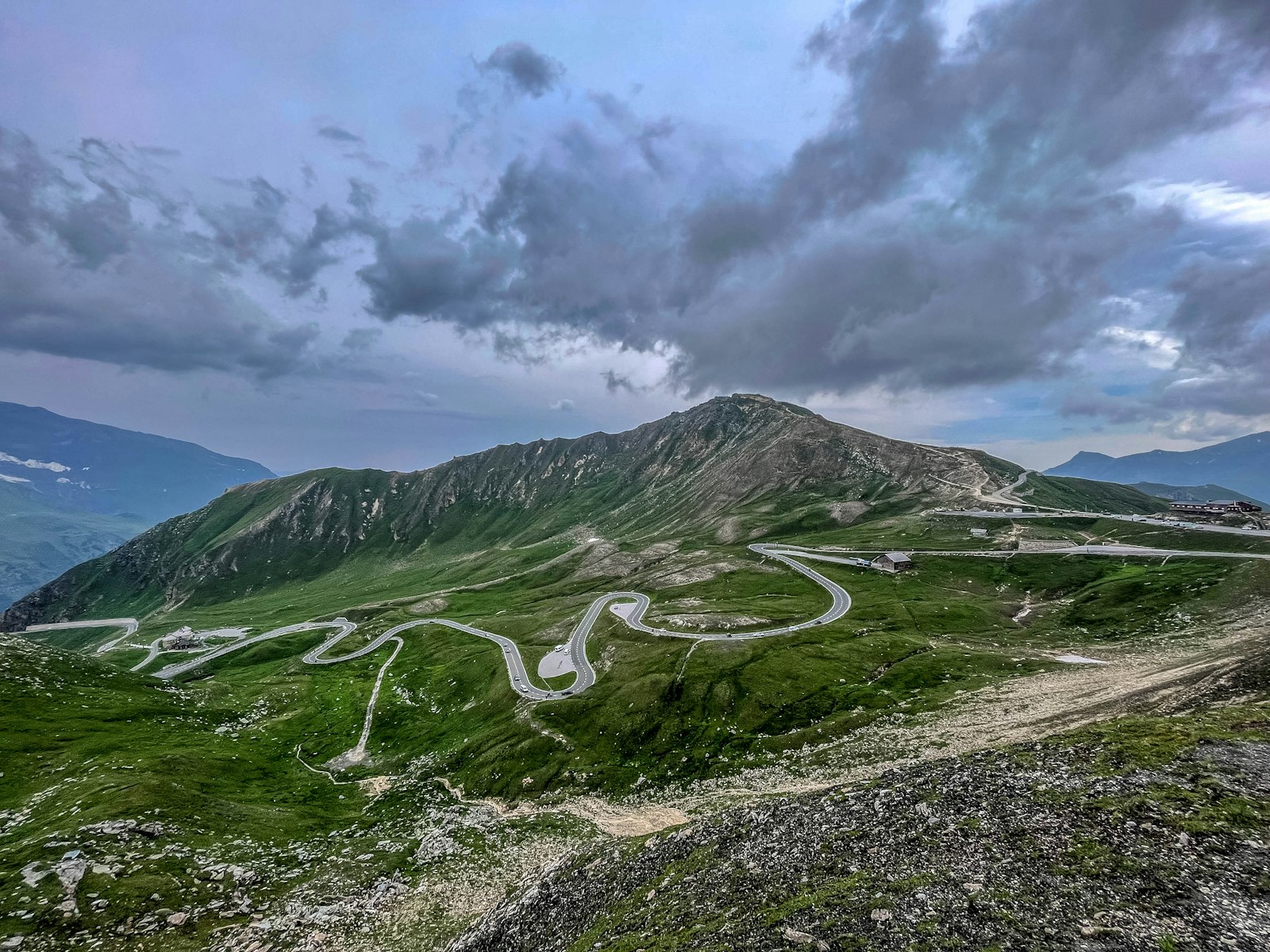
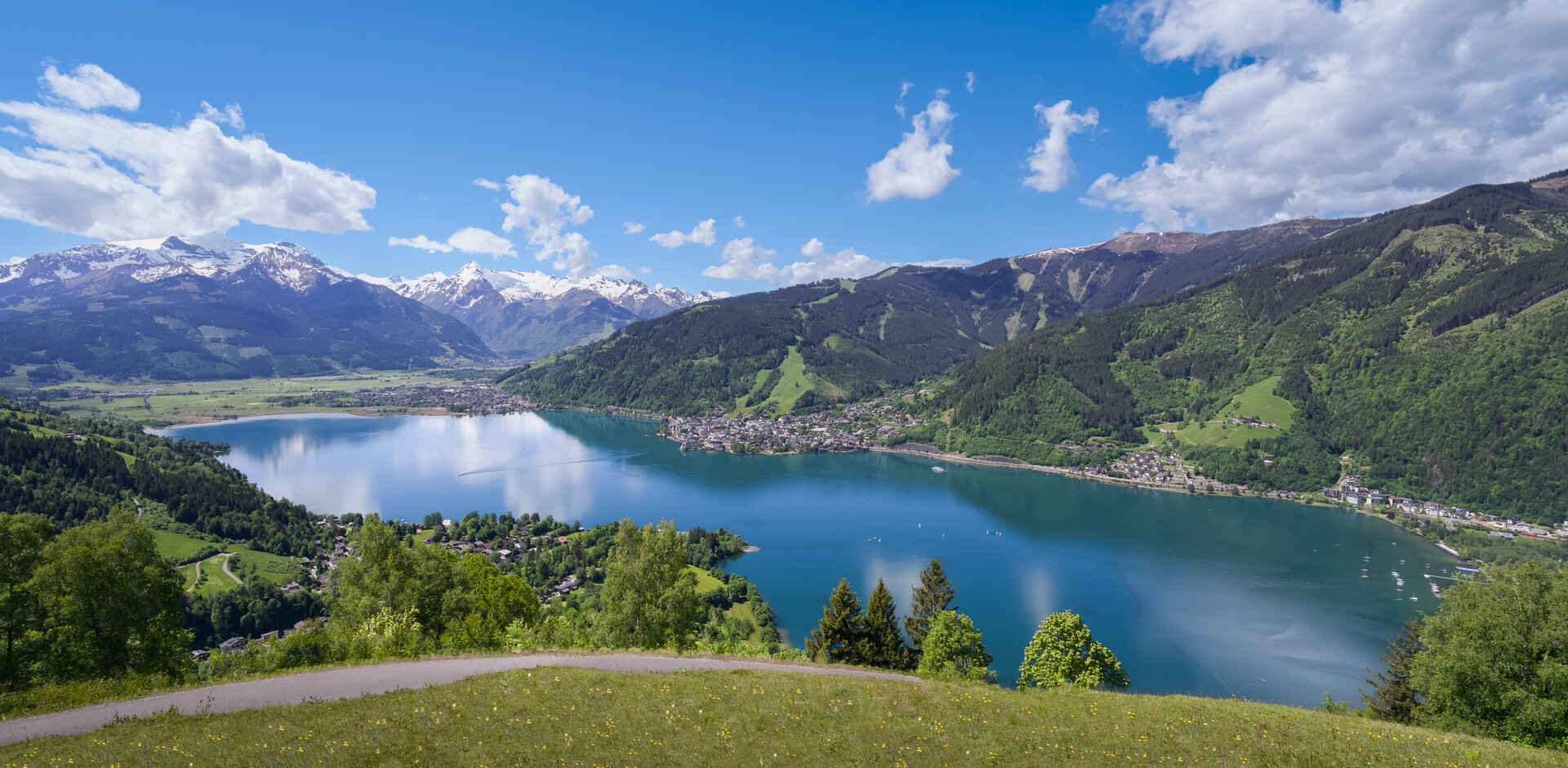
- Schmittenhöhe: the local mountain of Zell am See, just under 2,000 m. Alpine meadows, the treeline, well-kept paths, the Elisabeth Chapel at the summit and the view you expect from Zell am See: the lake far below, the three-thousanders behind. Friendlier, warmer, more family-friendly.
- The decision depends less on taste than on the weather, your time budget and who is coming along. We describe both mountains in detail in the articles on the Kitzsteinhorn and the Schmittenhöhe.
Winter: snow reliability versus piste variety
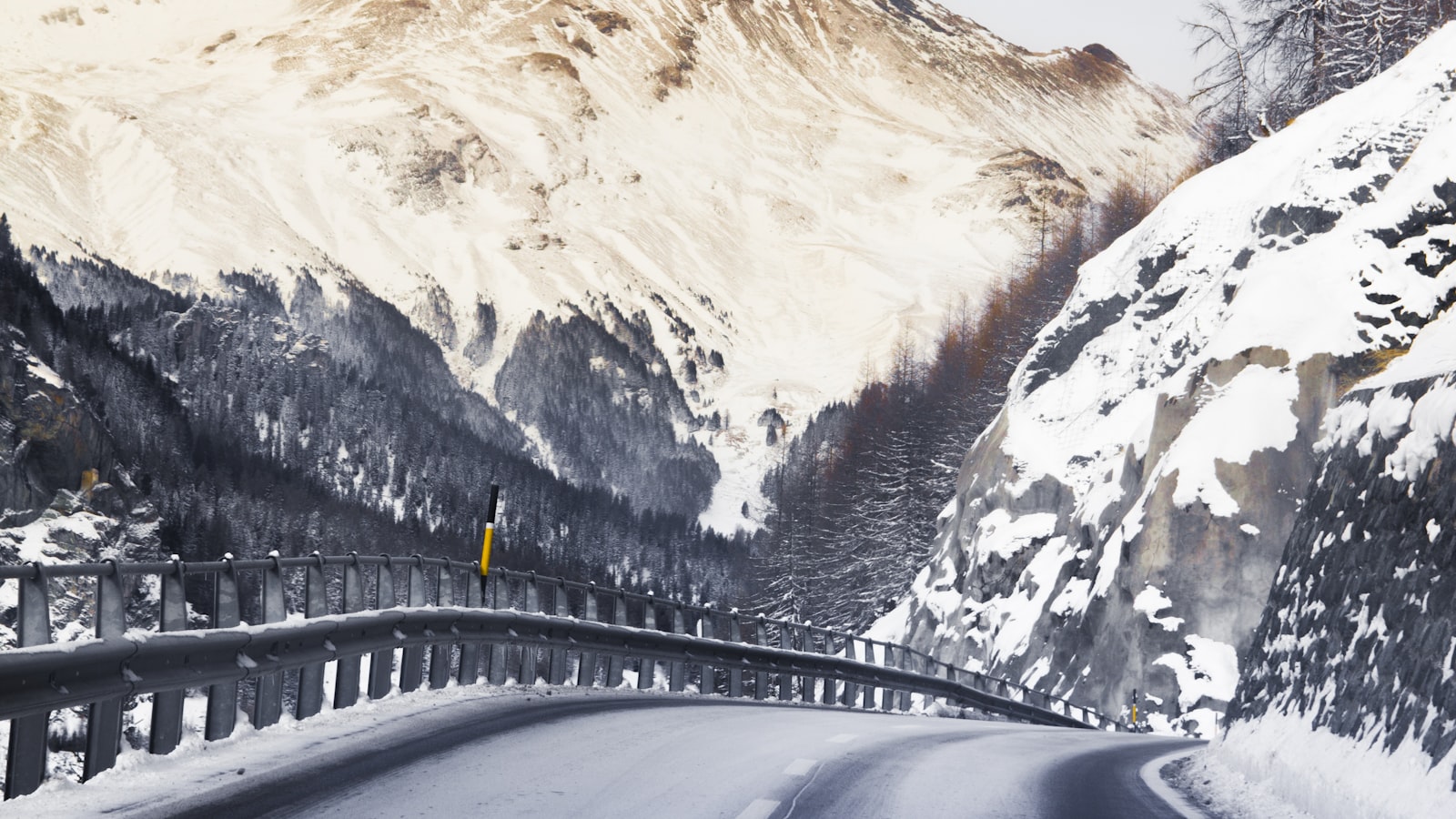
In winter altitude decides. The pistes on the Kitzsteinhorn lie between roughly 2,000 and 3,000 metres, making it the most snow-sure area in the region. When the valley meadows are still green in December, skiing has long since started up top. In return the area is smaller (roughly 40 piste kilometres), largely treeless and unpleasantly disorienting in flat light. A detailed piste description is in the article skiing in Kaprun.
The Schmittenhöhe offers considerably more variety with around 77 kilometres: broad sunny slopes, several chairlifts and, above all, genuine descents to the valley. The long Trass descent is the opposite of the glacier in poor visibility, because the trees provide contrast. The drawback: during warm spells in January or February the lower slope sections suffer first.
Two weather situations are worth knowing:
- Storms and strong wind: the uppermost glacier lifts close noticeably more often than the lifts on the Schmitten. Before setting off for Kaprun, always check the operating status on the lift company’s page, since a wasted journey ruins half the day.
- Valley inversion fog: exactly the reverse. If a grey blanket lies over Zell am See, the Kitzsteinhorn is almost certainly above it in sunshine. The Schmittenhöhe often emerges too, but more marginally.
Summer: glacier experience versus pastures and paths
In summer the difference is greater still. On the Kitzsteinhorn you can expect snow even in August, which for children from flat regions is the highlight of the whole trip, as are the tunnel through the mountain and the platform at 3,029 m. What the excursion is not: a hike. Up top there are short, partly exposed paths, otherwise only rock, ice and views. What a summer glacier visit actually feels like is described in the article the glacier in summer.
The Schmittenhöhe is the classic walking mountain. From the summit area a largely level high-level promenade runs around the dome: broad, well surfaced and manageable with a robust pushchair, which is rare at nearly 2,000 metres. Add to that alpine huts for a snack, panoramic paths with views over the lake and the connection to stages of the Hohe Tauern Panorama Trail. If you genuinely want to walk, this is clearly the better place.
Time budget and access, honestly calculated
This is the point most often underestimated. The figures apply from the centre of Zell am See:
- Schmittenhöhe: the base stations are practically in town, about 5 to 10 minutes by car or local bus. The ascent takes roughly 10 to 20 minutes depending on the lift. A good half-day is plenty: up, high-level promenade, a snack, back down, around four hours.
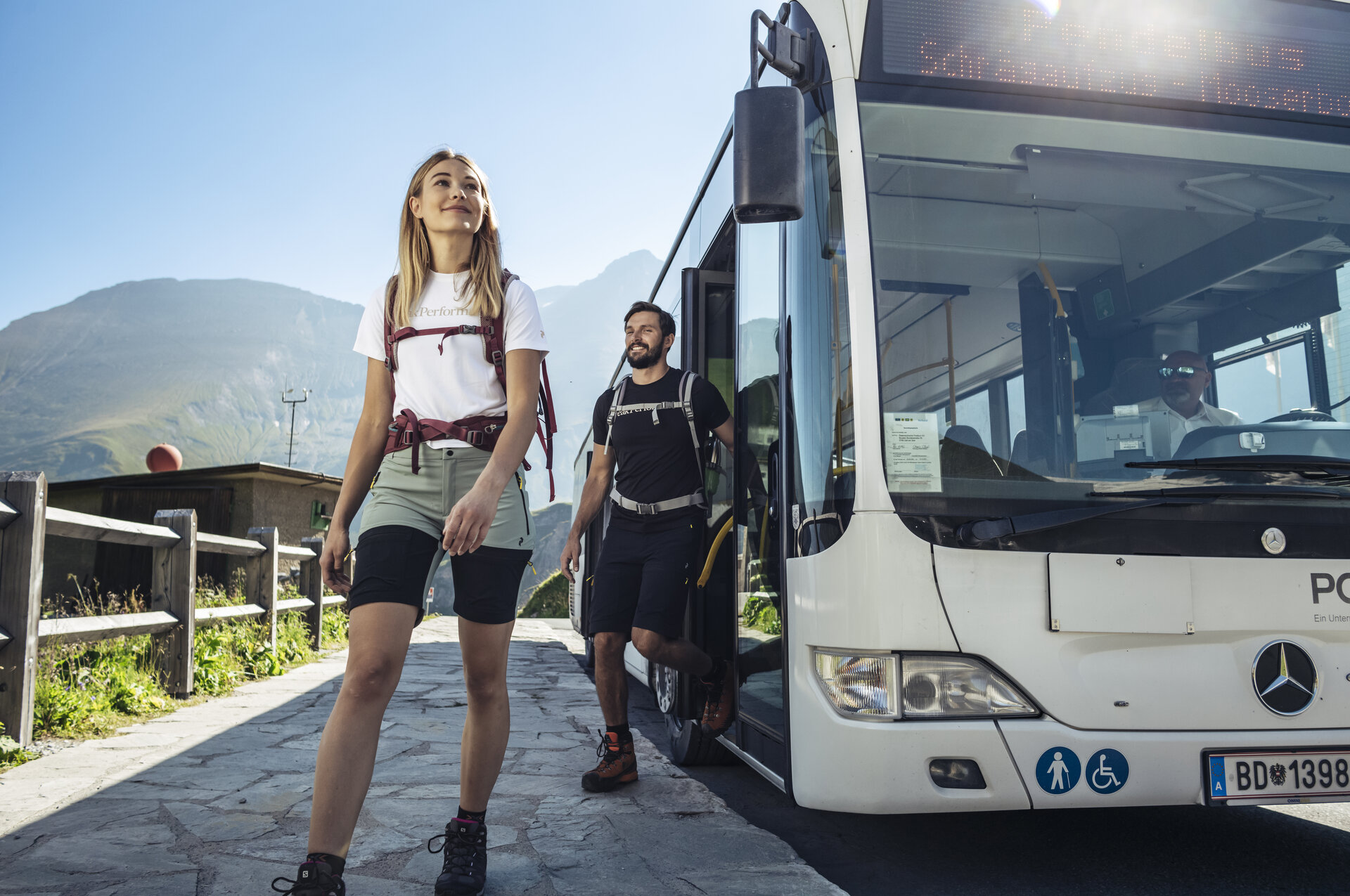
- Kitzsteinhorn: allow around 20 minutes to the glacier lift base station near Kaprun, or more like 30 to 40 minutes by scheduled bus. After that come several sections with changes up to the summit station. If you start from the centre of Kaprun via the Maiskogel link, you will be travelling longer still. Realistically this is a full day, or at least five to six hours from Zell am See. In peak season add waiting times at the changes.
On prices, only rough guide figures for the 2026/27 season, without guarantee: a return trip on the Schmittenhöhe typically falls in the region of 35 to 45 euros, while the summit ticket for the Kitzsteinhorn is more like 50 to 65 euros per adult. Only the current daily tariffs and operating times on each lift company’s pages are binding. If you are staying several days anyway, it is worth looking at the summer card, which covers both mountains and makes the decision considerably more relaxed.
The most common mistake first-time visitors make
Going up the Kitzsteinhorn dressed too thinly. There are over 2,000 metres of altitude between base station and summit. When it is 28 degrees in Zell am See, high summer up top often means single figures, plus wind over the firn. Sturdy shoes, long trousers, a jacket and a hat belong in your rucksack even in July, as do sunglasses and sun cream, because radiation increases massively over snow and at that altitude.
The second point concerns altitude itself: you feel 3,029 m. If you are sensitive to it, move slowly up top, drink enough and do not plan the walk to the viewing platform immediately after the rapid ascent. On the Schmittenhöhe this question barely arises.
A clear recommendation by group
- Families with small children: the Schmittenhöhe. Short journey, few changes, play options on the mountain, mild temperatures, pushchair-friendly paths.
- Families with children from around six who want to see snow in summer: the Kitzsteinhorn, but plan it as a day trip, not as one item alongside three others.
- Guests sensitive to altitude: the Schmittenhöhe. Just under 2,000 m is entirely unproblematic for the vast majority.
- Photographers: the Schmittenhöhe for the lake view, ideally early in the morning. The Kitzsteinhorn for high mountains and glacier structures, ideally with clear long-distance visibility after a cold front.
- Hikers: the Schmittenhöhe, without further discussion. The Kitzsteinhorn is a viewpoint mountain, not a walking mountain.
- Skiers in spring (April, May): the Kitzsteinhorn. When the Schmitten has long closed, the glacier may still be running depending on snow conditions, though exact dates vary each year.
- A bad-weather day: neither. The lift ticket is wasted money then; we collect alternatives under bad weather in Zell am See.
If you want to see both
With three or more days on site the sensible order is clear: first the Schmittenhöhe as a relaxed half-day for orientation, since from there you can see the Kitzsteinhorn and the whole valley basin and get a feel for the region. Then wait for the best weather day and place the glacier day exactly on it. That way you do not burn the more expensive ticket on a day when cloud hangs at 2,500 metres and there is nothing but fog up top.
And if the weather turns?
Both lifts run in rain too, you just will not see anything. If the forecast is uncertain in the morning, the Schmittenhöhe is the lower-risk choice: shorter journey, cheaper ticket, and a rained-out ascent hurts less. For the Kitzsteinhorn: better to postpone. The mountain is not going anywhere, and the Gipfelwelt 3000 without long-distance views is only half the experience.
Frequently Asked Questions
Kitzsteinhorn or Schmittenhöhe: which is more worthwhile if I only have one day?
With clear visibility and little wind, the Kitzsteinhorn: glacier, national park panorama and snow even in summer are things the Schmittenhöhe cannot offer. But allow a full day including the journey to Kaprun and several changes. If the weather is uncertain or you have small children with you, the Schmittenhöhe is the wiser choice: short journey, cheaper ticket, less risk.
Exactly how high are the two mountains?
The viewing platform on the Kitzsteinhorn is at 3,029 m, the Schmittenhöhe just under 2,000 m. That difference of a good thousand metres explains almost everything: temperature, snow reliability, vegetation and how strenuous the visit feels.
How warm is it on the Kitzsteinhorn in summer?
Considerably colder than in the valley. With 28 degrees in Zell am See you can often expect single figures at the summit in high summer, plus wind over the firn. A jacket, long trousers, sturdy shoes, a hat, sunglasses and sun cream belong in your rucksack even in July. This is the most common mistake first-time visitors make.
Which mountain is better for hiking?
The Schmittenhöhe, clearly. The largely level high-level promenade around the summit is broad and surfaced, and there are alpine huts for a snack plus a connection to stages of the Hohe Tauern Panorama Trail. The Kitzsteinhorn is a viewpoint mountain with short, partly exposed paths in rock and ice terrain, not a hiking area.
Can I take a pushchair up the Schmittenhöhe?
Yes, the high-level promenade in the summit area is manageable with a robust pushchair, which is exceptional for a mountain at nearly 2,000 metres. The terrain on the Kitzsteinhorn is not suitable for it.
When do the lifts close because of wind?
The uppermost glacier lifts on the Kitzsteinhorn stand idle noticeably more often in storms than the lifts on the Schmittenhöhe. Always check the current operating status on the lift company's page before setting off for Kaprun, as operating times and closures change at short notice.