Key facts at a glance
A short-stay zone applies throughout the centre of Zell am See: chargeable on weekdays during the day and usually Saturday morning, with a maximum stay of 90 minutes to three hours. Longer than two hours: use a car park. All day on the mountain: the base station or the ski bus with a guest card. Important: a parking disc is valid only in free zones; in the chargeable zone you need a ticket or mobile parking. Status July 2026, the signage on site is binding.
In short: the centre of Zell am See is largely a short-stay zone. There you pay on weekdays during the day and usually on Saturday mornings too, with a maximum parking time of around one and a half to three hours depending on the zone. If you are staying longer, head straight for an underground car park or a managed car park; if you do not want to pay at all, leave the car on the edge of town or at a lift base station and take the ski or local bus. The most expensive mistake is not the tariff but the false assumption that a parking disc behind the windscreen is enough. In a chargeable short-stay zone you need a purchased parking ticket or an active mobile parking booking.
This text is deliberately written as a guide to the principles rather than a tariff sheet: charges, zone boundaries and times are set by the municipality of Zell am See and change from season to season. Status: July 2026. The signage on site and the current municipal parking regulations are always binding. All amounts below are explicitly orders of magnitude, not daily rates.
Short-stay zone: when you pay and how long you may stay
Around the pedestrian zone, the station, the lake promenade and the approaches to the old town, a short-stay zone applies throughout. The pattern is the usual Austrian one: chargeable on weekdays during the day, typically from the morning into the early evening, plus Saturday morning. Sundays and public holidays are generally free, but that is exactly what the blue zone sign states, and only the sign counts.
- Maximum parking time: depending on the zone, mostly between 90 minutes and three hours. Directly on the promenade and in loading zones it is shorter than in the outer streets.
- Charge: tiered in half-hour or hourly steps, of the order of one to two euros per hour started. For half a day in the centre the car park is almost always cheaper and certainly less stressful.
- The first half hour is free in some Austrian municipalities, but only with a completed free parking ticket. Do not rely on it without reading the sign.
Parking ticket, parking disc or mobile parking
This is where German, Dutch and Czech guests most often pick up a fine. In Austria these are two completely different things:
- Parking disc (the plastic dial): valid only in free short-stay zones where the sign explicitly shows a disc or a corresponding supplementary symbol. In a chargeable zone it is worthless.
- Parking ticket: the paper ticket from the machine, or the pre-printed ticket to mark up available from tobacconists. Mark the date, hour and minute and place it clearly visible behind the windscreen.
- Mobile parking: by app or SMS through the usual providers in Salzburg. Practical, because you can extend without walking back to the car, but the zone must be selected correctly beforehand or the booking is invalid.
If no valid proof is found, a fine follows. It is not a dramatic amount but in the range of a few dozen euros per case, and parking wrongly every day for a week ends up costing more than a weekly ticket in a car park. Foreign plates are indeed pursued; the idea that fines stop at the border has not been true for years.
Underground and managed car parks in the centre
If you are in town for more than two hours, do not even start looking, but drive straight into a car park. Zell am See has several covered and managed options in the centre, including the car park at the town hall and areas around the station and lakeshore. The big advantage in winter: you do not have to scrape the car, and you are not in the way of the snow clearing service.
- Hourly rate: of the order of two to three euros per hour, often with a tapering scale.
- Daily rate: roughly in the low to middle two-digit euro range.
- Night and multi-day rates are usually considerably cheaper per day. If your accommodation has no space of its own, ask about weekly tickets rather than paying afresh each day.
Free or cheap parking on the edge of town
Free spaces do exist, but unsurprisingly they are where nobody drives by choice: in residential streets outside the zone, in Schuettdorf, in Thumersbach across the lake, and on the larger areas by the sports and leisure facilities. Two honest caveats: first, the zone boundary is fluid and moves a little further out each season. Second, residents parking and company areas are not fair game, and cars are towed in Zell am See too.
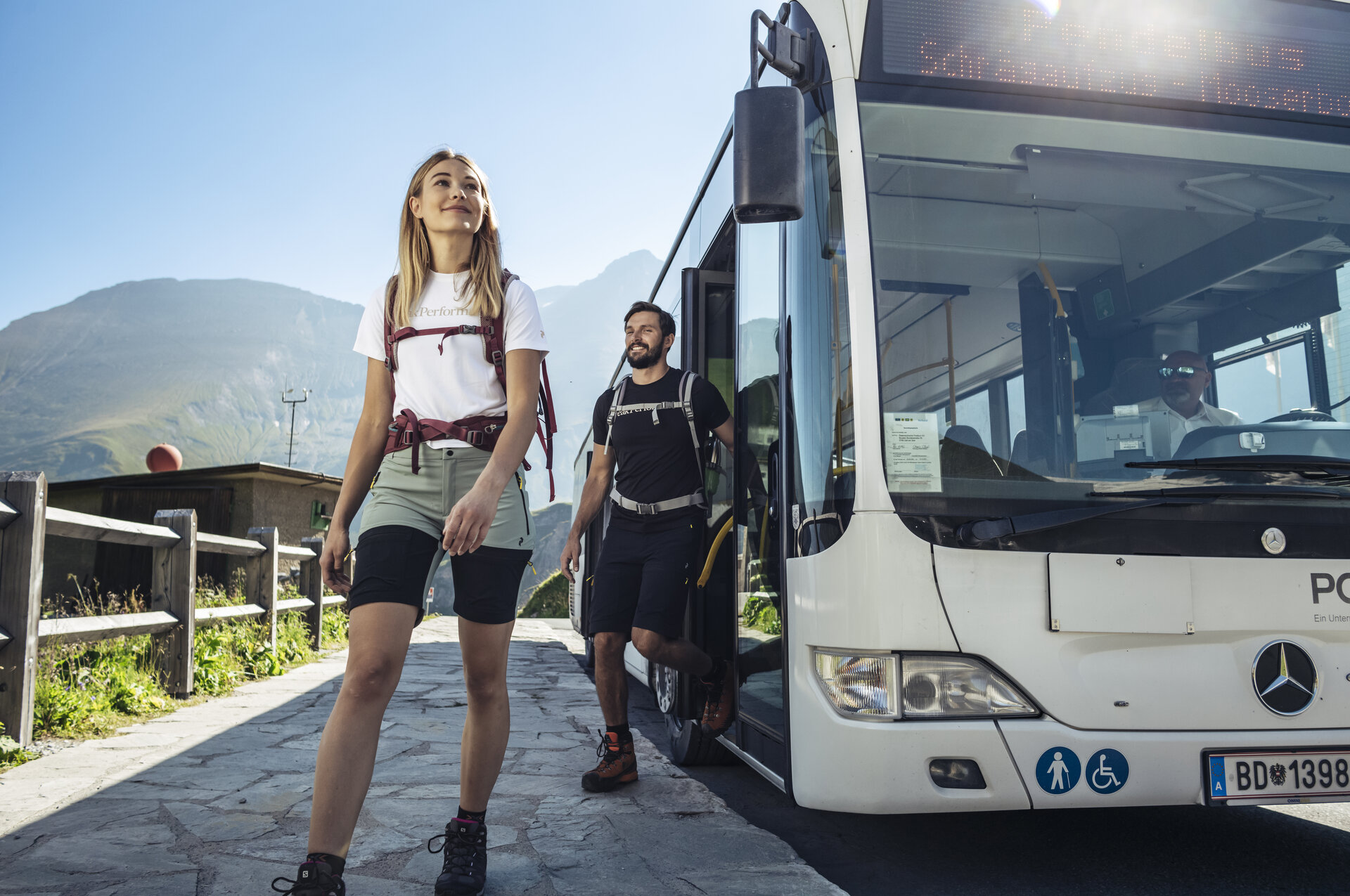
The most sensible approach is park-and-ride in miniature: leave the car at your accommodation or at a lift base station and use the bus in town. With the Zell am See-Kaprun summer or guest card local transport is generally included for guests, and the frequency between Zell am See, Schuettdorf and Kaprun is good enough that hunting for a free space hardly pays. How far you get in this region without your own car is broken down separately in do you need a car in Zell am See?.
Winter specifics: base stations, holiday crowds and snow clearing
In winter the parking problem shifts from the town centre to the lifts. The large areas at the base stations of the Schmittenhöhe lifts in Zell am See and the Kitzsteinhorn in Kaprun are unproblematic on normal January weekdays, but at weekends, in the half-term holidays and around Christmas they are full from late morning.
- Being early pays more than any search strategy. Before nine at the base station is a different day from half past ten.
- Ski bus instead of the base station: the ski bus can be used with a valid ski pass or guest card and stops at all the access points. On peak days the bus from your accommodation is simply faster than driving and hunting for a space.
- Snow clearing: after heavy snowfall, streets are given temporary stopping and parking bans so they can be cleared. These signs go up only a few days beforehand, and a car left there is moved or towed. Glancing up when you get out is the cheapest insurance of the holiday.
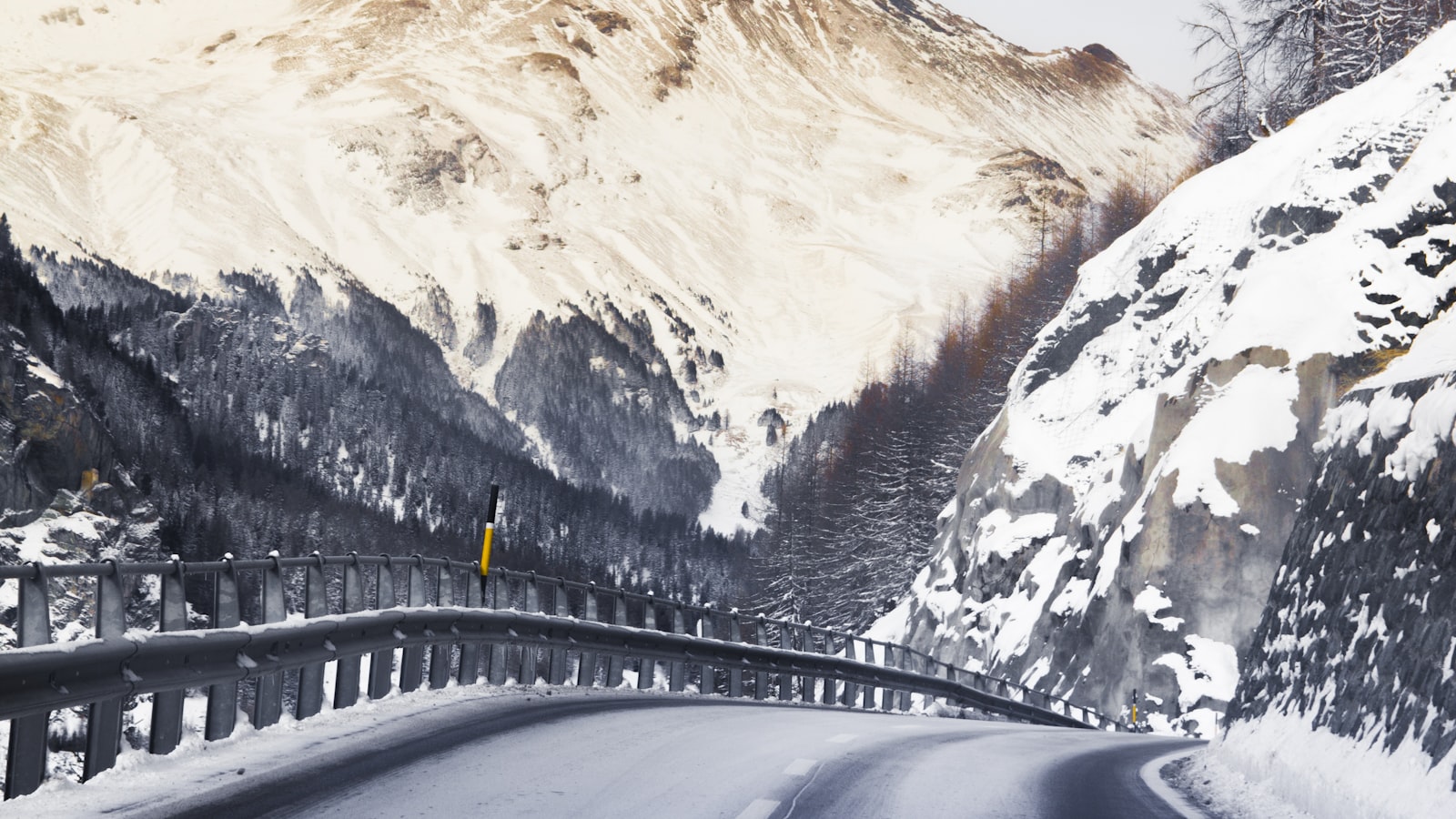
- Winter equipment: in Austria the situational winter tyre requirement applies from 1 November to 15 April. In wintry road conditions, winter tyres are mandatory on all wheels; snow chains on at least two driven wheels are allowed instead, but only where the road is under a continuous layer of snow or ice. For the approaches to Kaprun and the base stations this is not a formality but a practical necessity.
Electric cars: charging and the green plate stripe
There are now enough charging points in Zell am See and Kaprun for a normal holiday: at the base stations, at larger hotels, in car parks and at individual public locations, predominantly AC chargers with some fast chargers on the through roads. All the same, do not plan charging for a public holiday afternoon, when the chargers at the ski lifts are occupied.
On the short-stay zone: in Austria municipalities may exempt electric vehicles with the green plate stripe from the parking charge, but they are not obliged to. This exemption is therefore not a nationwide rule but a local decision, and it changes regularly. Do not assume your electric car parks free; read the sign or ask at the municipal office. Charging bays are in any case almost always released only for the duration of charging, and long-term parking on a charging bay is an offence even with an electric car.
Hotel parking is not automatically included
A surprising number of guests trip over this: in Zell am See the space at your hotel or apartment is often chargeable, of the order of ten to twenty euros per night in the underground car parks of central properties, and even then not always guaranteed, because established town locations have fewer spaces than rooms. Clarify it in writing before booking: whether there is a space, whether it can be reserved, what it costs and whether it is covered. This is one of the items that makes a holiday noticeably more expensive if you do not budget for it.
Arrival day in four sentences
Do not drive into the centre to search there; go to your accommodation first and unload. If there is no space, take a car park for the first night and sort the rest out calmly the next morning. For everything after that: under two hours, short-stay zone with a ticket; longer, a car park; all day on the mountain, the base station or simply the ski bus. And if you are unsure whether you are in a chargeable zone, buy the ticket. It costs less than thinking about it.
Frequently Asked Questions
What does parking cost in Zell am See?
In the short-stay zone in the centre the charge is of the order of about one to two euros per hour started, tiered in half-hour or hourly steps. Underground car parks are around two to three euros per hour, with a daily rate roughly in the low to middle two-digit euro range. These are ranges as of July 2026; the signage on site and the municipal parking regulations are binding.
Is a parking disc enough in Zell am See?
No, and this is the most common and most expensive misunderstanding. In Austria a parking disc is valid only in explicitly free short-stay zones. In the chargeable zone in the centre you need a parking ticket from a machine or a tobacconist, or a valid mobile parking booking. Otherwise a fine follows, and foreign plates are pursued too.
Where can you park for free?
Outside the short-stay zone: in residential streets on the edge of town, in Schuettdorf, in Thumersbach across the lake, and on larger areas at sports and leisure facilities. The zone boundary moves further out every season, and residents and company spaces are off limits, where cars are towed. It is usually more relaxed to leave the car and take the local bus with the guest card.
Where is best to park for skiing in winter?
At the base stations of the Schmittenhöhe lifts in Zell am See and the Kitzsteinhorn in Kaprun. On weekdays in January this is unproblematic, but at weekends, in the half-term holidays and around Christmas the areas are full from late morning. Being there before nine achieves more than any search strategy.
Can electric cars park free in the short-stay zone?
Not automatically. In Austria municipalities may exempt electric vehicles with a green plate stripe from the parking charge, but they are not obliged to. It is a local decision and changes regularly. Check the zone sign or ask at the municipal office. On charging bays parking is in any case only allowed for the duration of charging.
Is hotel parking included in the price?
Often not. Central properties frequently charge around ten to twenty euros per night for a space, and even then a space is not guaranteed, because established town locations have fewer spaces than rooms. Clarify in writing before booking whether there is a space, whether it can be reserved, what it costs and whether it is covered.