Key facts at a glance
The Eagle's Nest is reachable only from about mid-May to late October and only on the dedicated buses from the Obersalzberg Documentation Centre; private cars are not allowed on the road. From Zell am See it is about 90 km via Salzburg. On a winter holiday the trip is off.
In short: The Eagle’s Nest above Berchtesgaden is reachable only from around mid-May to late October, and only on the dedicated buses from the Obersalzberg Documentation Centre — private vehicles are not allowed on the Kehlstein road. From Zell am See it is about 90 kilometres via Salzburg, so a good hour and a half. Guided tours start in Salzburg or in Berchtesgaden itself. It is the most striking half-day trip in the area — and one where the historical site matters more than the view.
Transparency notice: this article contains advertising links to GetYourGuide. If you book through them we receive a small commission — the price stays exactly the same for you.
What the Eagle’s Nest is
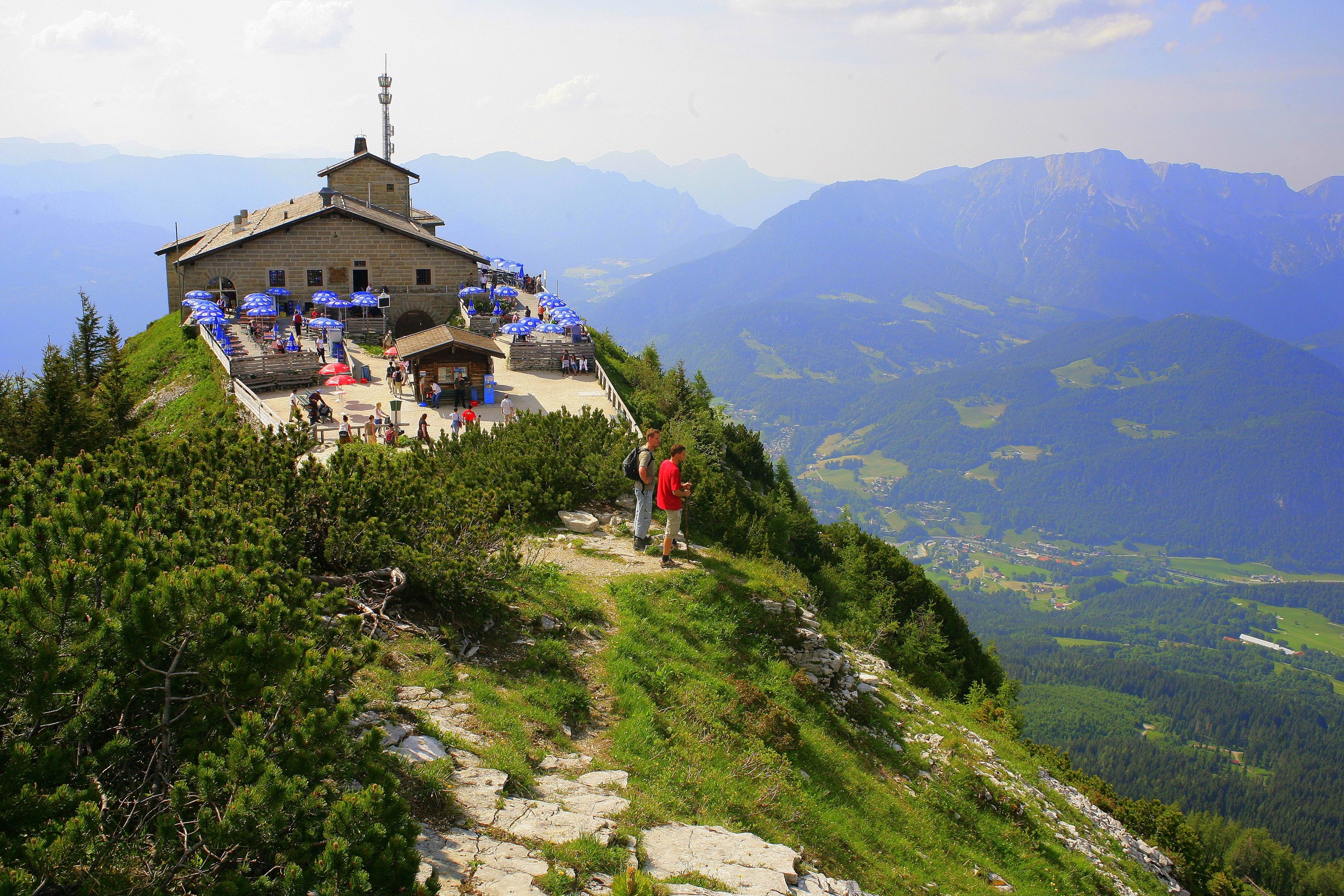
The building on the Kehlstein was put up in 1937 and 1938 and presented to Hitler for his 50th birthday. It stands at 1,834 metres above the Obersalzberg, which during the Nazi period was developed into a second seat of government. In German it is known as the Kehlsteinhaus.
The approach is still the one built then: a road blasted into the rock, a 124-metre tunnel into the mountain, and a brass-lined lift covering the last 124 vertical metres. These structures are the real reason the place occupies so many people — they survive unchanged.
Important for expectations: the Eagle’s Nest today is a restaurant, not a museum. The historical treatment happens below, at the Obersalzberg Documentation Centre. If you only ride up and skip the exhibition, you see a viewing terrace and miss the history. Plan for both — the documentation centre is the more important part.
The season is the hard constraint
Unlike almost everything else around here, the Eagle’s Nest is strictly seasonal. The Kehlstein road is normally open from about mid-May to late October, with the exact dates depending on snow each year.
For you that means: on a winter holiday in Zell am See this trip is off. It gets overlooked regularly, because Berchtesgaden itself is reachable year-round while the Kehlstein is not. Check the current dates before booking, directly with the Kehlsteinhaus operator.
How you get up
The sequence is the same for everyone, with a tour or independently:
- Drive as far as the Obersalzberg Documentation Centre. All private vehicles stop there.
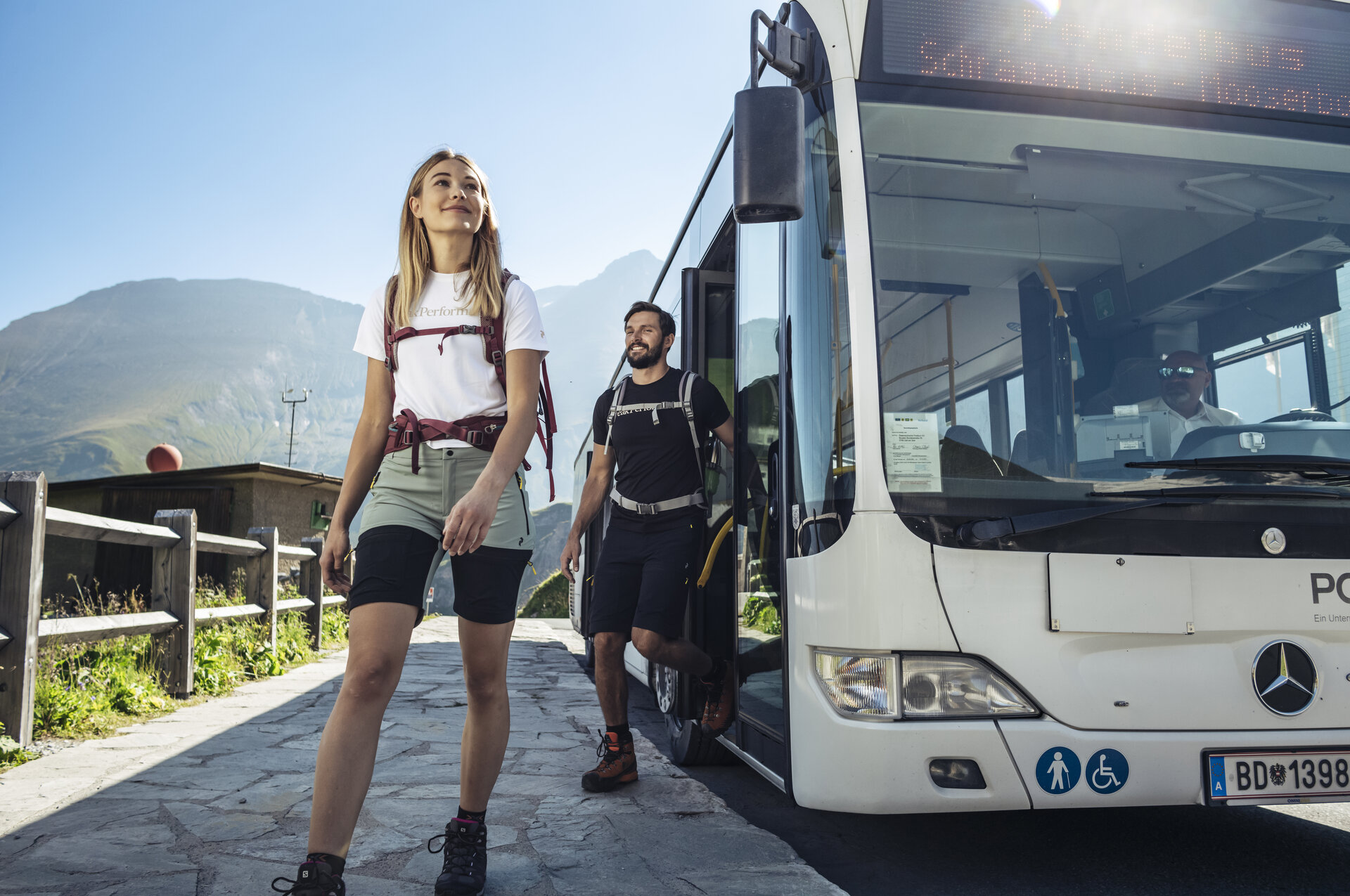
- Change to the Kehlstein buses. The road is closed to private traffic; the buses shuttle, and you normally book a fixed return time.
- Tunnel and lift up to the building.
The lift is narrow and packed. If you are strongly claustrophobic you should know that; alternatively there is a footpath up from the bus stop taking about half an hour and requiring sure footing.
Guided tour or drive yourself?
The case for a guided tour is the historical context. The Obersalzberg is a place where a guide makes a genuine difference: without explanation you stand in front of meadows, foundations and a nice view, and miss what was here. Tours from Salzburg bundle the drive, the bus ticket and the guiding.
Kehlsteinhaus und Berchtesgaden ab Salzburg
Check availability & priceHistorische Tour zum Kehlsteinhaus
Check availability & priceThe case for driving yourself is time. From Zell am See you are at the Obersalzberg in a good hour and a half and can take the documentation centre at your own pace — something the guided half-day tours from Salzburg leave little room for. If the history is what genuinely interests you, drive.
The drive and the border
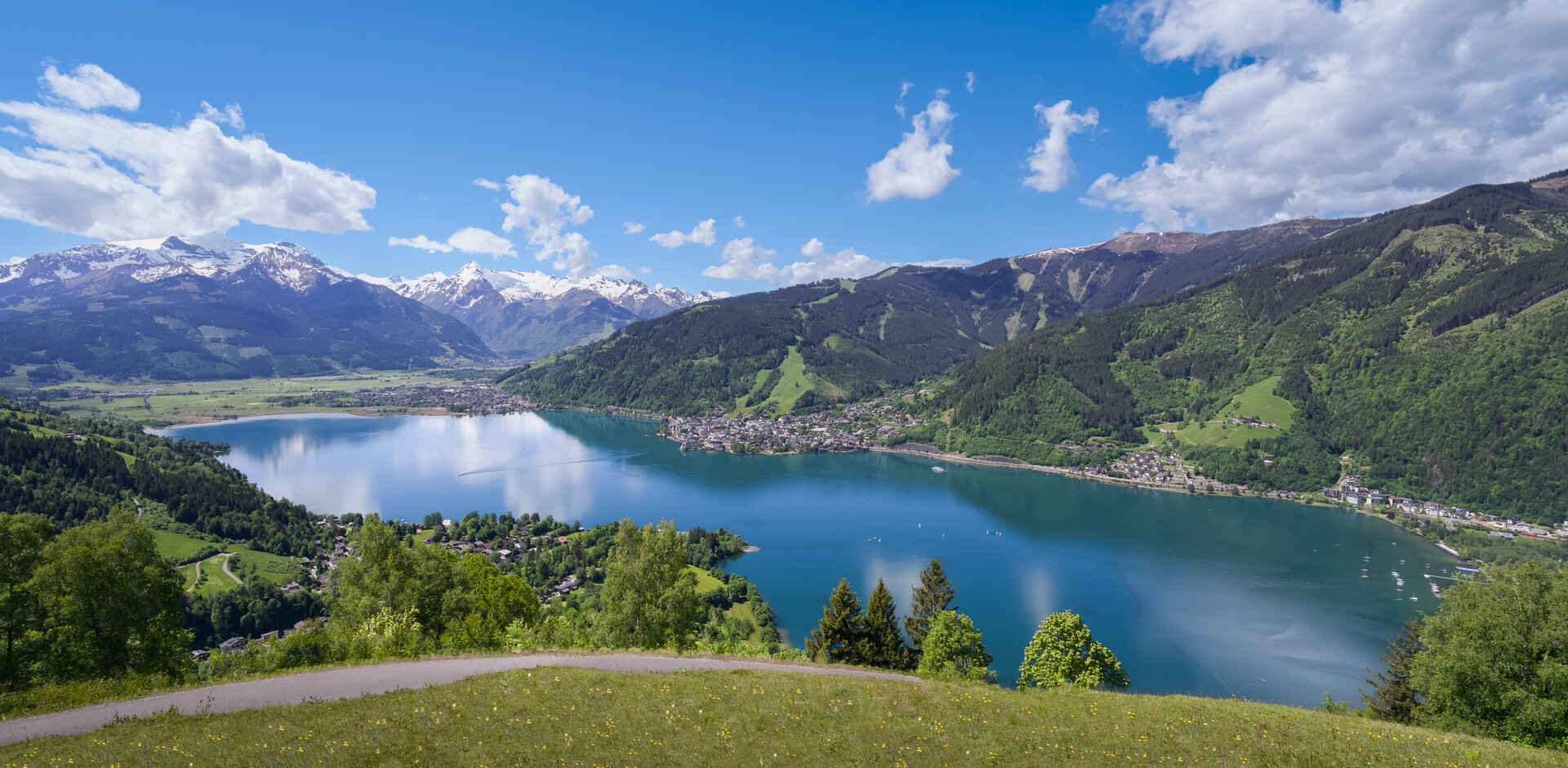
From Zell am See you take the B311 and the A10 towards Salzburg and then cross into Bavaria. About 90 kilometres, a good hour and a half.
- You are leaving Austria. Berchtesgaden is in Germany. There are no routine checks within the Schengen area, but carry ID anyway, and check that your travel health cover applies.
- The Austrian motorway vignette does not apply in Germany. You need it for the Austrian motorway sections only.
How to lay out the day
A good sequence from Zell am See: leave early, the Obersalzberg Documentation Centre around midday, up to the Eagle’s Nest in the early afternoon, back after that. A full day, but not a rushed one.
Adding the Königssee needs a second day. Both in one will not fit comfortably — the boat trip to St Bartholomä alone takes several hours.
A last note on the view: the Kehlstein is pointless under low cloud. You sit inside a cloud and see nothing. Check the forecast the evening before and postpone if in doubt — the road is open all summer, and a clear day is worth waiting for.
More day trips: Salzburg tours from Zell am See.
Frequently Asked Questions
When is the Eagle's Nest open?
Normally from about mid-May to late October. The exact dates depend on snow each year, because the Kehlstein road is not passable in winter. On a winter holiday in Zell am See the trip is therefore off. Check the current dates with the operator before booking.
Can you drive your own car to the Eagle's Nest?
No. Private vehicles stop at the Obersalzberg Documentation Centre. From there dedicated buses shuttle up the Kehlstein road, normally with a fixed return time. The last 124 vertical metres are covered by a brass-lined lift through a tunnel in the mountain.
How far is the Eagle's Nest from Zell am See?
About 90 kilometres via the B311 and the A10 towards Salzburg and then across into Bavaria, so a good hour and a half. You are leaving Austria: carry ID, and note that the Austrian motorway vignette applies only to the Austrian sections.
Is a guided tour worth it or should you drive yourself?
A guide is worth it for the historical context, because without explanation you stand in front of meadows, foundations and a nice view. But if the history genuinely interests you, driving yourself is better: from Zell am See you are there in a good hour and a half and can take the documentation centre at your own pace, which guided half-day tours leave little room for.
Is the Eagle's Nest a museum?
No, today it is a restaurant. The historical treatment happens below at the Obersalzberg Documentation Centre. If you only ride up and skip the exhibition, you see a viewing terrace and miss the history.