Part of our complete guide: Zell am See–Kaprun: The Complete Travel Guide
Set in the heart of the Salzburg Alps, just ten minutes from the shore of the Zeller See, Kaprun ranks among Austria’s most versatile alpine destinations. Kaprun owes its firm place on every discerning traveller’s map not to its world-famous ski slopes alone, but to the fact that the valley is packed with things to do in every single season. Whether you arrive with skis on the roof rack, a hiking pack on your back, or simply want to enjoy the beauty of a classic Austrian mountain village, Kaprun will reward you richly.
Skiing and snowboarding on the Kitzsteinhorn glacier
For winter guests the Kitzsteinhorn is the undisputed centrepiece. With lifts reaching 3,029 metres, it is one of the few glacier ski areas in the entire Alps that guarantee reliable snow conditions from October into early summer. That means you can still carve fresh turns in April while the valleys below are already turning green — a genuinely exceptional experience.
The mountain has something to suit every level, from beginner to professional. Newcomers will find gentle, wide blue pistes served by modern lifts, while more experienced skiers and riders can push into the steeper red and black terrain above the clouds. On clear days the panorama from the summit terrace stretches across dozens of peaks and far into the distance, and the mountain restaurants serve hearty Austrian classics. If you are wondering what to do in Kaprun in winter, a full day on the Kitzsteinhorn belongs right at the top of your list.
The Kaprun high mountain reservoirs — an alpine masterpiece of engineering
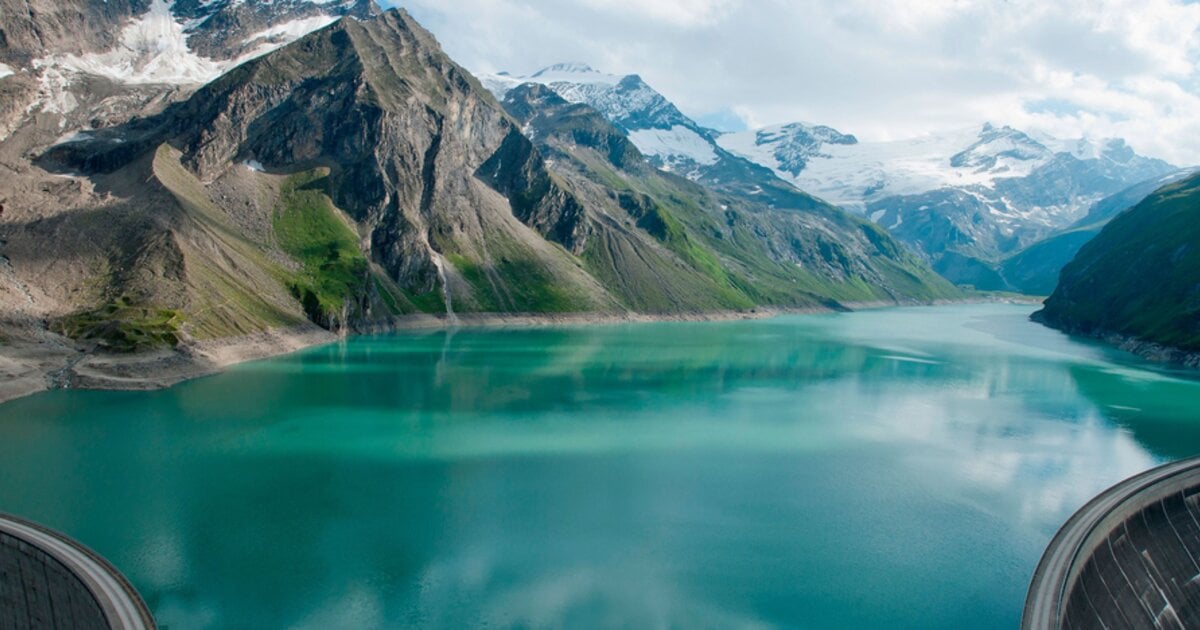
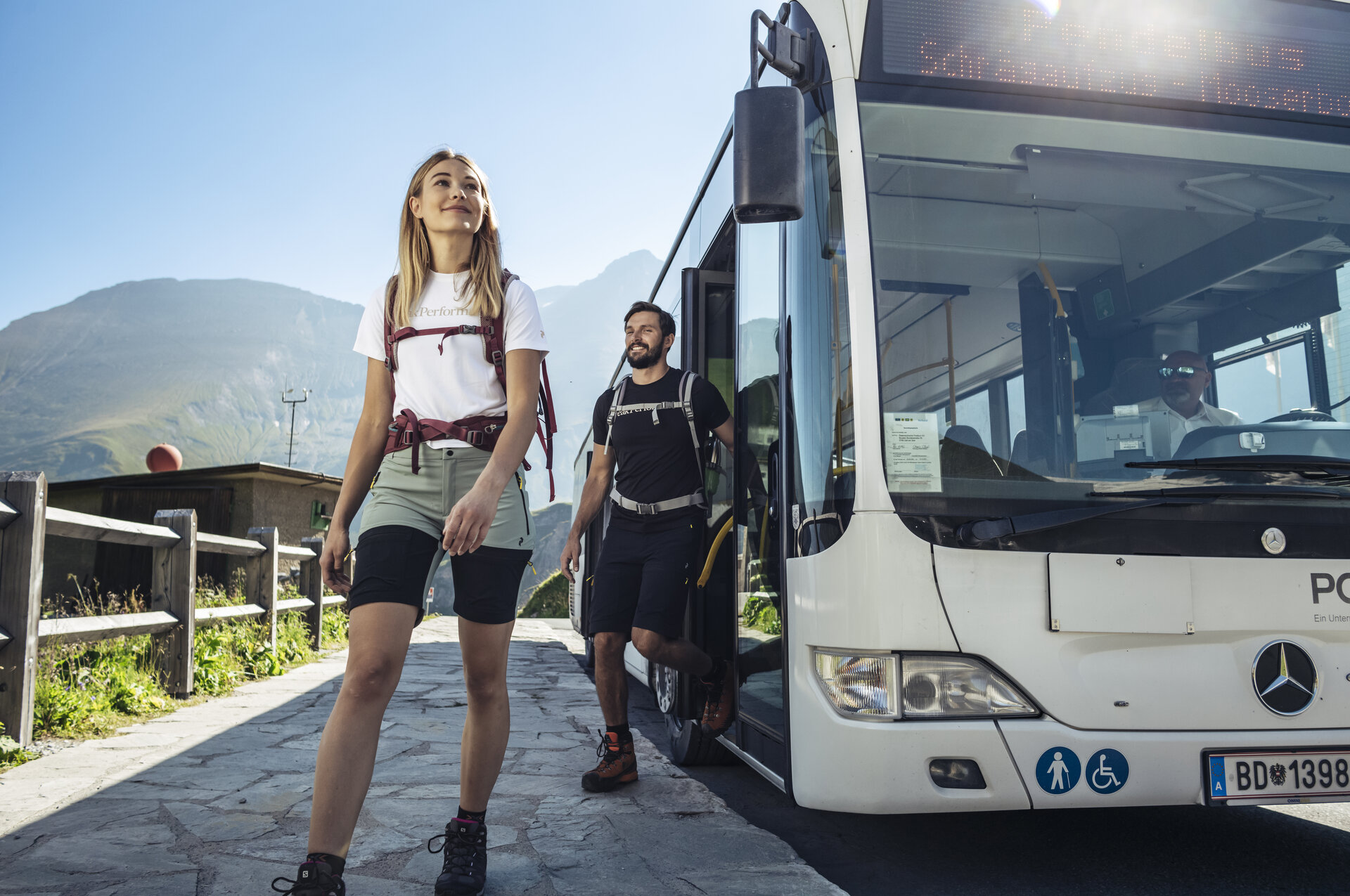
High above the village, cradled between dramatic rock faces, lie the Mooserboden and Wasserfallboden reservoirs — known together as the Kaprun high mountain reservoirs. Reached by a combination of electric bus and a funicular built into the mountain itself, these lakes are among the most impressive sights in all of Austria.
The sheer scale of the dam walls is breathtaking, and the turquoise water behind them glows almost unreally against the grey rock and — in winter or spring — the surrounding snowfields. A walk across the crown of the Mooserboden dam opens up dizzying views down into the valley far below. The reservoir excursion runs from May to October and counts among the essential summer activities in Kaprun. Guided tours explaining the history and engineering of the project are available and are well worth the extra hour.
The Sigmund Thun Gorge
Just a short walk from the village centre, the Sigmund Thun Gorge surprises even seasoned alpine travellers. A sequence of wooden walkways and bridges clings to the steep rock faces of a narrow ravine that the Kapruner Ache has carved into the stone over thousands of years.
The path leads through tunnels, past roaring waterfalls and swirling emerald pools whose spray keeps the air cool even on the hottest summer days. The whole tour takes around 45 minutes to an hour and includes some moderate climbs, which makes it suitable for families with older children and anyone of average fitness. The gorge is usually open from May to October and is one of those rare Kaprun attractions that feel wild and easily accessible at the same time.
Kaprun Castle — a medieval fortress with a panoramic view
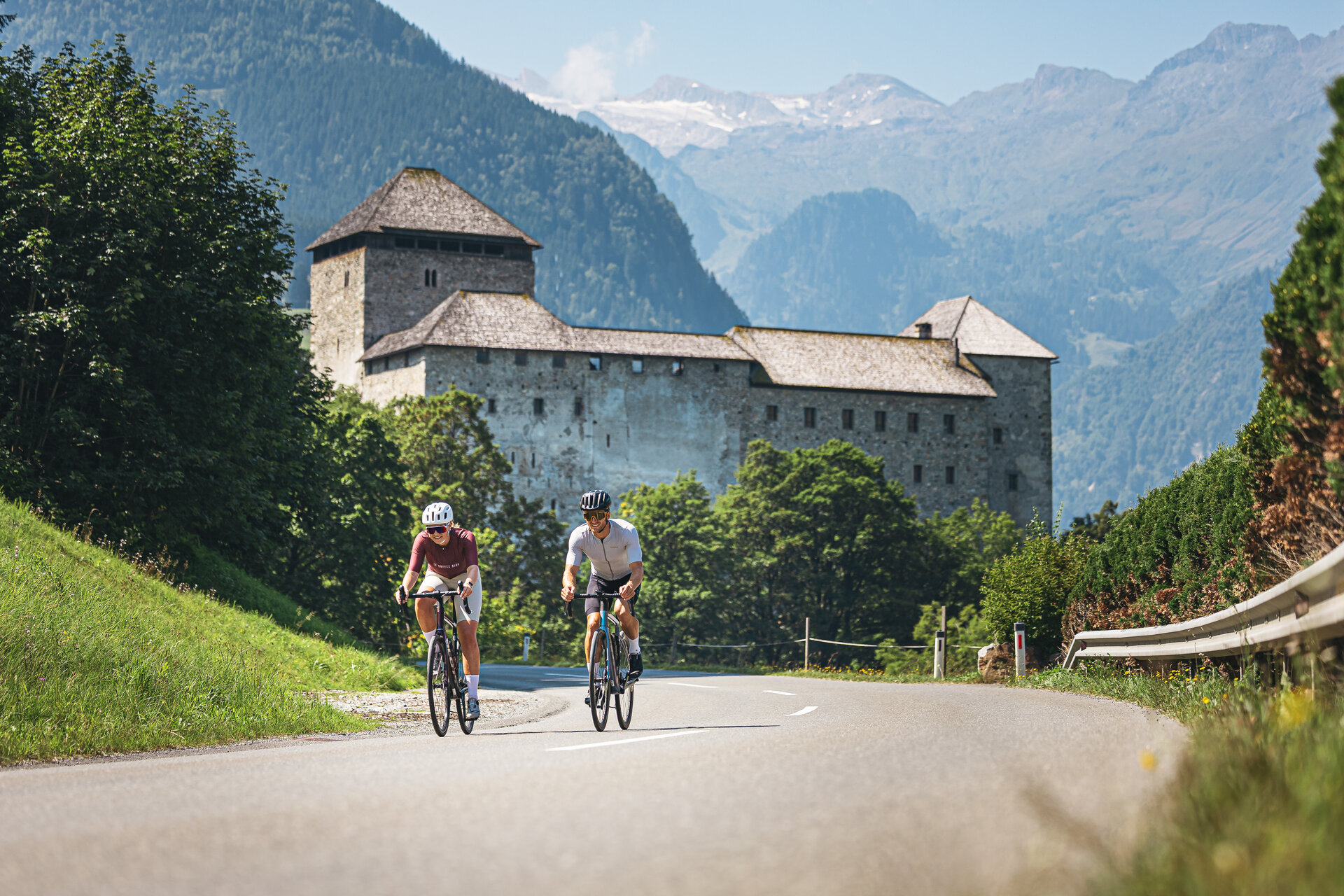
On a rocky outcrop directly above the village stands Kaprun Castle, one of the best-preserved medieval fortresses in the Salzburg region. Dating from the 11th century, the castle played an important strategic role in guarding the valley for centuries. Today it is open to visitors and offers a fascinating insight into the region’s medieval past through its towers, walls and in-house collection of exhibits.
Equally appealing is the view from the castle walls — the sweep of the valley below, the rooftops of the village and the gleaming summit of the Kitzsteinhorn in the background combine into one of the most photogenic panoramas in the whole of the Salzburg Alps. The short climb up to the castle takes no more than 15 minutes from the village centre and is an ideal way to begin or round off a day of exploring.
The village of Kaprun — alpine charm at every corner
It would be a mistake to regard Kaprun merely as a base camp for outdoor activities and overlook the village itself. The old centre possesses a genuine, unhurried charm that many busier Austrian ski resorts lost long ago. Flower-decked balconies, traditional wooden farmhouses, a pretty parish church and a relaxed main street with owner-run shops and cafés all contribute to an atmosphere that feels authentically Austrian rather than staged for tourists.
In the evening the village comes quietly to life — with the clink of glasses on terrace tables, the scent of wood smoke and the murmur of conversation from the local inns. This is still a community where people live and work, and that warmth is palpable in every encounter.
Summer in Kaprun — far more than a ski area
One of the most persistent misconceptions about Kaprun is the assumption that it is primarily a winter destination. The summer months paint an entirely different and equally appealing picture. The reservoir excursion, the Sigmund Thun Gorge, the castle, the mountain bike trails, the hiking routes and the e-bike tours that thread through the valley make Kaprun a first-class hub for summer activities.
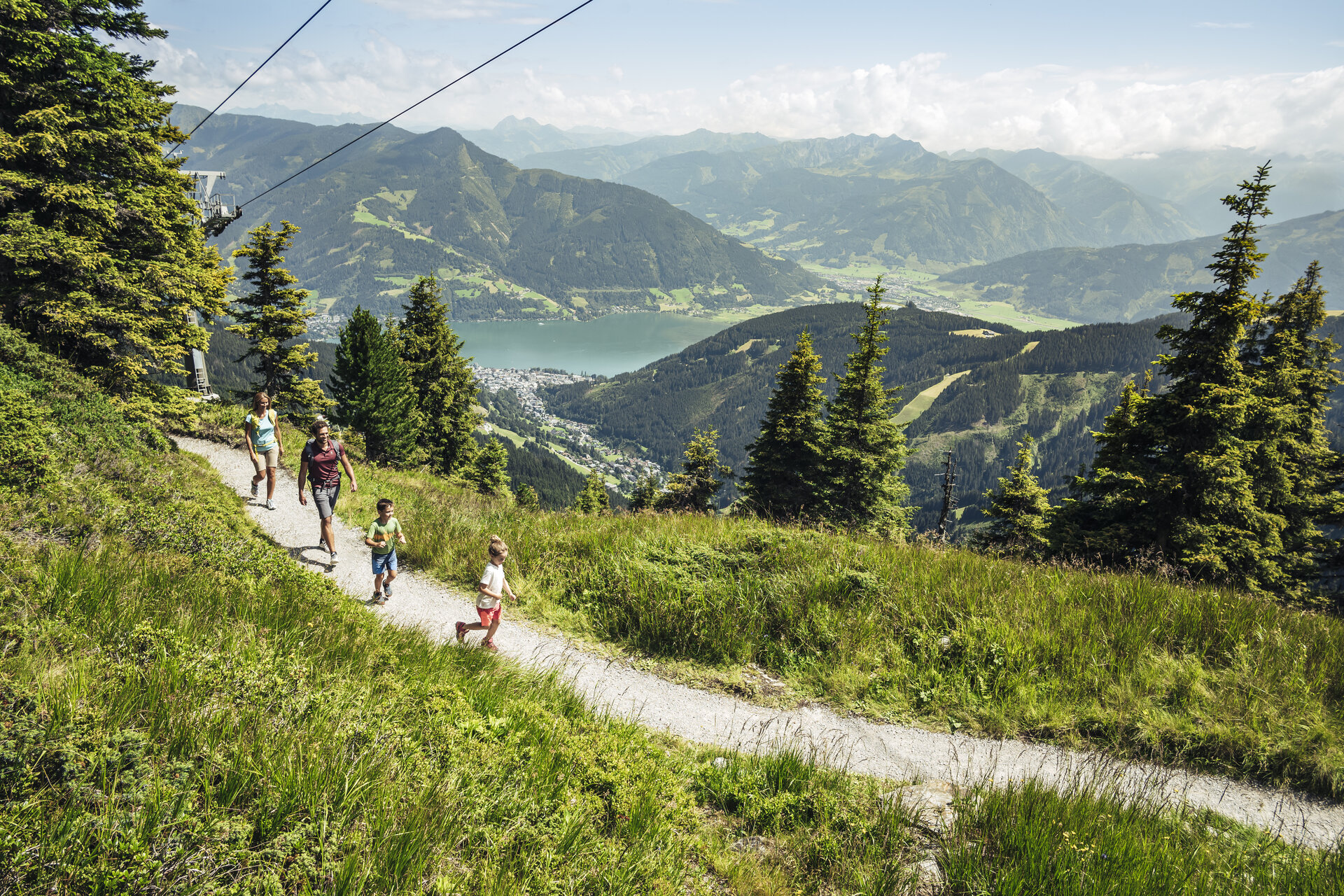
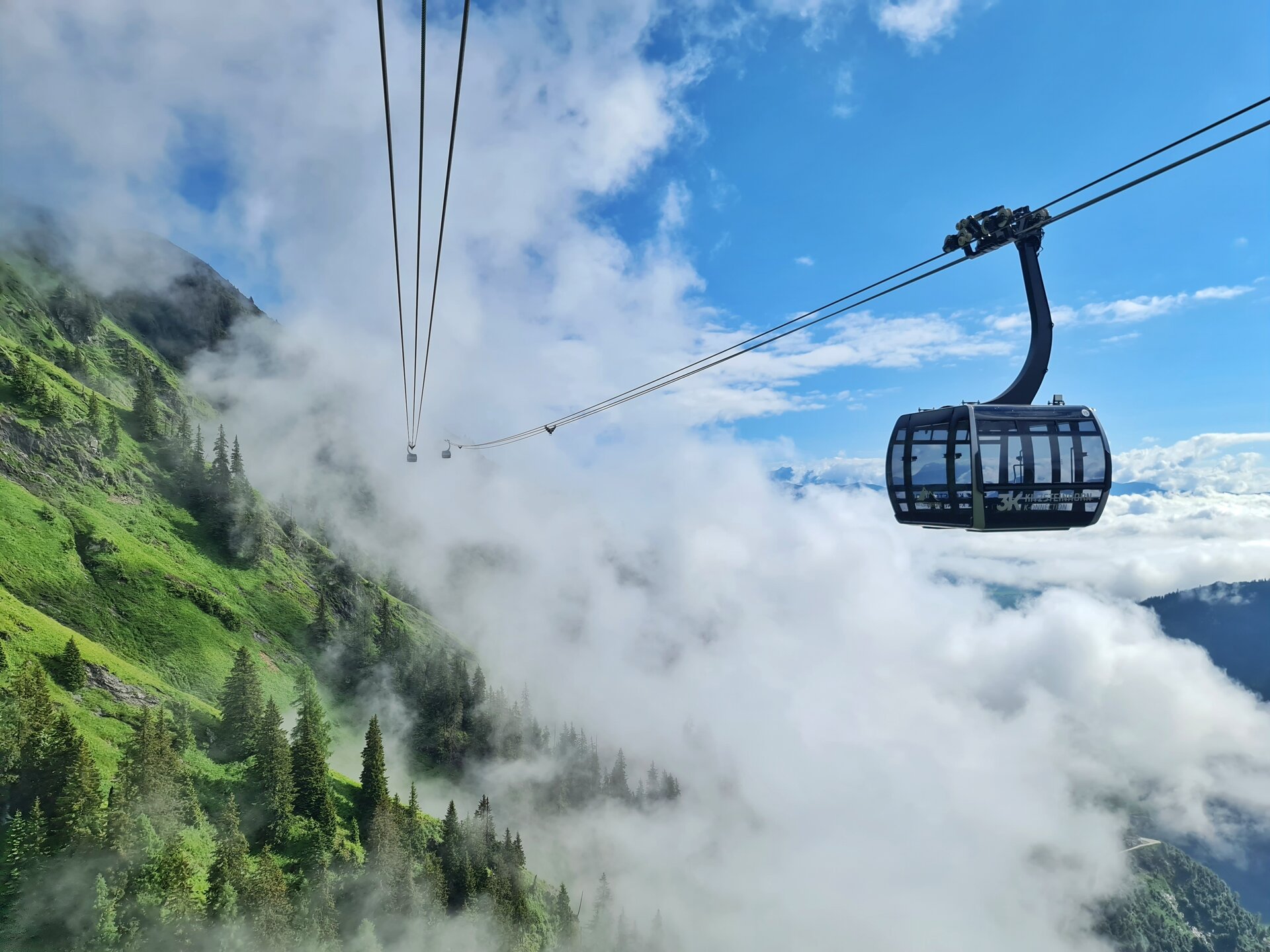
Hikers can reach a network of well-marked paths directly from the village, ranging from leisurely valley walks to multi-hour ridge tours whose altitude commands respect. The Maiskogel is a popular and more easily accessible peak above the village, reachable by gondola and offering a broad plateau for relaxed walking with outstanding views in every direction. In summer you can also ride the cable car part of the way up the Kitzsteinhorn to hike through the high alpine terrain — a completely different experience from the ski season.
Families will appreciate the many opportunities for swimming in the surrounding area, including the popular lido in Zell am See right on the lake, just ten minutes away.
Day trips: Zell am See and beyond
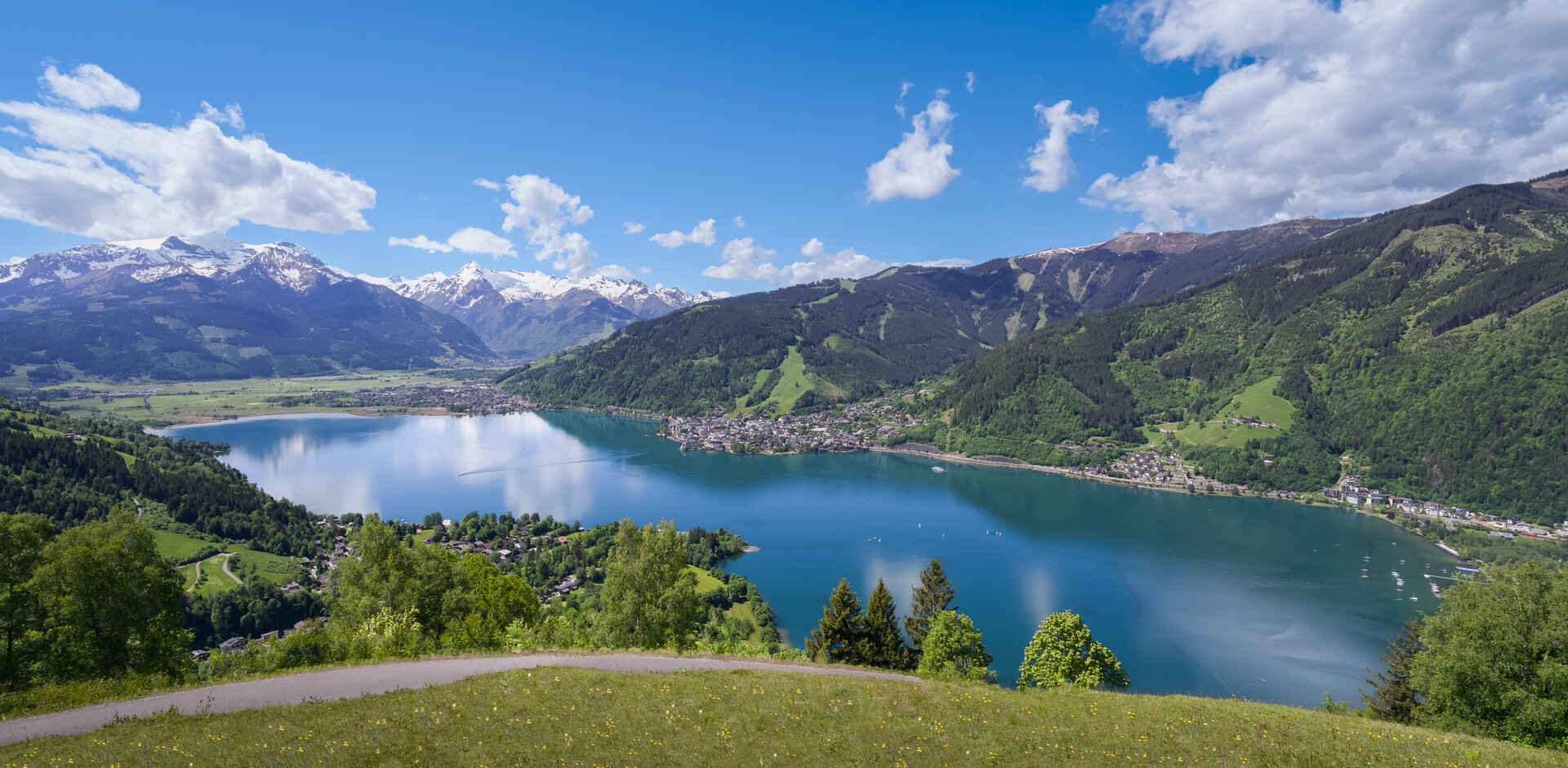
Thanks to its position in the Zell am See–Kaprun region, day trips in every direction are as easy as they are rewarding. Zell am See itself — with its medieval old town, the cable car up to the Schmittenhöhe, the lakeside promenade and excellent restaurants — is only ten minutes away and pairs superbly with a base in Kaprun.
Further afield, the Salzach valley leads north to the city of Salzburg, birthplace of Mozart and one of the most beautiful baroque cities in Europe, reachable in around 90 minutes by car or train. To the south, the Grossglockner High Alpine Road — one of Europe’s greatest panoramic roads — lies less than an hour away and opens up access to Austria’s highest peak and the impressive Pasterze glacier. The region plays a role as a starting point for alpine discovery far beyond its size.
Where to eat in Kaprun
The food scene in Kaprun mirrors the character of the valley: honest, warm-hearted and rooted in alpine tradition, with enough contemporary flair to stay interesting. A few recommendations worth seeking out:
- Local inns — family-run guesthouses serving Wiener Schnitzel, Tafelspitz and Käsespätzle in generous portions, often with regional ingredients.
- Mountain huts on the Kitzsteinhorn — a bowl of Gulasch or a plate of Kaiserschmarrn enjoyed at altitude with a glacier view is one of those memories that echo long after the holiday ends.
- Terrace cafés in the village centre — ideal for a mid-morning Melange and a slice of Apfelstrudel while you watch the comings and goings in the valley.
Most establishments take a relaxed view of opening times and welcome hikers and skiers in their boots — the atmosphere is sociable rather than formal.
Practical tips for your visit to Kaprun
- Getting there: the nearest airport is Salzburg (SZG), around 90 minutes away by car or direct bus transfer. Innsbruck (INN) is also an option at roughly 2 hours. Kaprun is reachable by regular trains and buses from Zell am See station.
- Getting around: the village is very easy to explore on foot. In winter a free ski bus connects hotels and lifts; in summer cycling is popular and rental bikes are available in the village.
- Best time to visit: for glacier skiing October to April; for summer activities and the reservoirs June to September; for the ideal shoulder-season moment (fewer crowds, lower prices) consider May or October.
- Combination tickets: the Zell am See–Kaprun ski pass covers both the Kitzsteinhorn glacier and the Schmittenhöhe above Zell am See — outstanding value if you plan to ski for several days.
- Accommodation: the range extends from cosy, family-run guesthouses to larger four-star hotels with spa facilities. For the peak season in December/January and July/August, booking well in advance is strongly recommended.
Ready to experience Kaprun for yourself?
Kaprun stays in the memory not because of one outstanding attraction, but through the interplay of many impressions: a glacier that touches the sky, a reservoir that makes you pause, a gorge that takes your breath away, a medieval castle framing the whole valley, and a village where you genuinely feel welcome. Whether you come in the depths of winter or on a warm July afternoon, Kaprun in Austria will give you far more than you expect.
Browse the guides on this site to plan your perfect Kaprun stay — from the right accommodation and the best places to eat through to the finest walks, ski runs and day trips the valley has to offer. Your alpine adventure starts here.